
What is the difference between MPPT and PWM charge controllers?
Sep 8, 2026
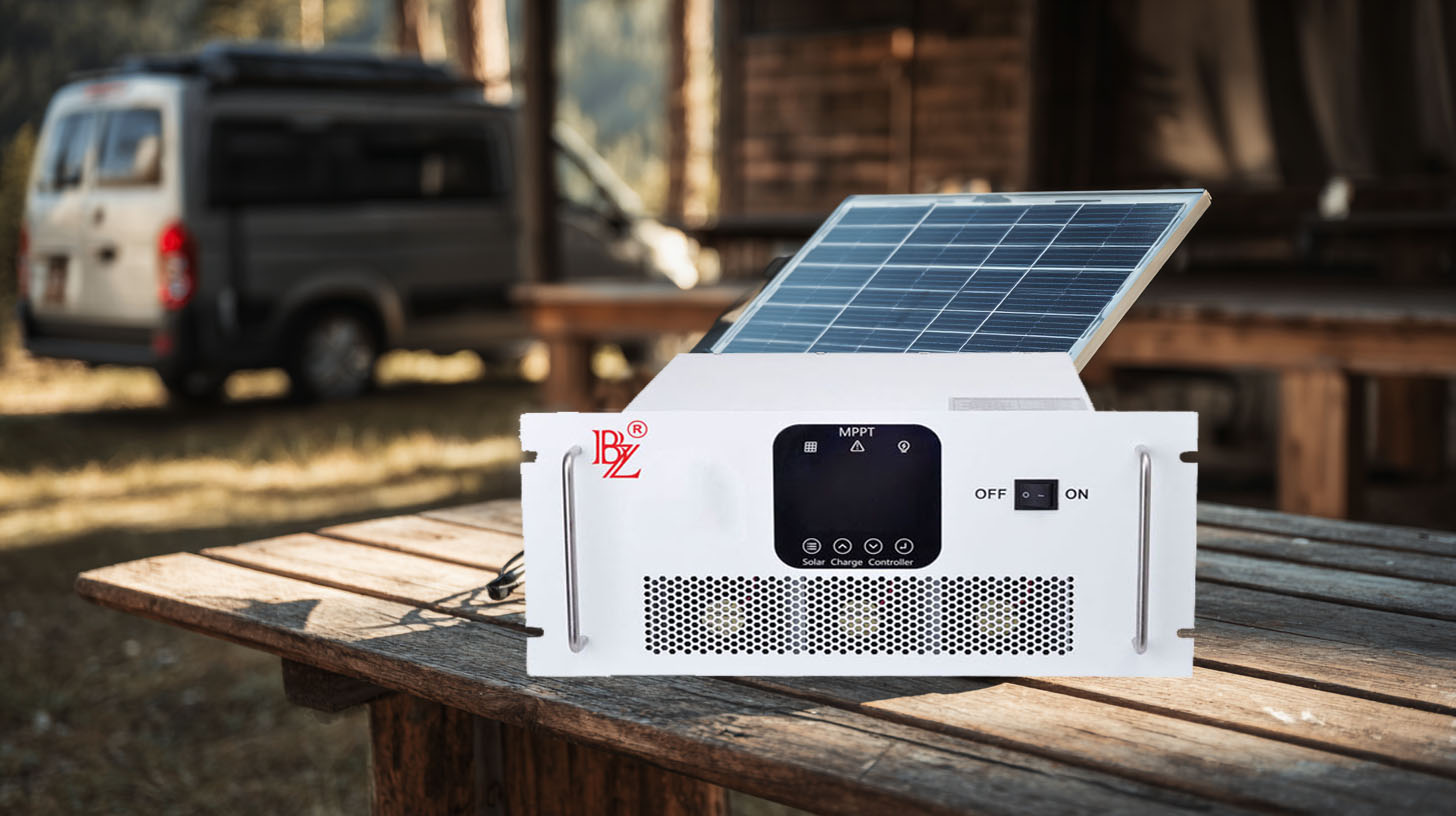
Yueqing, Zhejiang Sep 7, 2026 (Issuewire.com) - Why High-Voltage PV Modules Need the Right MPPT Controller
The voltage provided by a solar module is different than the voltage found in the battery bank. A standard PV module will have about 40V to 55V of open-circuit voltage, while larger commercial models can be higher than those numbers. When you put modules one after the other in a series circuit, the current increases at a fast rate.
Let's say you used eight photovoltaic modules, each having a Voc of 50V; hence the total string voltage under standard test conditions would be 400V, and in cold conditions, Voc would increase further. If the controller is rated only for 150V or 250V of PV input, it may not withstand the high voltage, even if the nominal operating voltage appears to be within limits.
A high voltage MPPT controller converts the high voltage of the PV array into the intermediate voltage for battery banks, like 24V, 48V, 96V, and other forms of energy battery storage systems. This part of the solar array works close to its optimal voltage and provides the correct charging profile for the battery.
Start with the Controller's Maximum PV Input Voltage
One of the specifications you need to verify is the maximum open-circuit voltage of the controller. This is the voltage limit that can be handled by the solar panel. In this process, you may not just compare the ratings of the controller with the nominal voltage of the photovoltaic array. You have also to lead to the calculation of the maximum open-circuit voltage by taking into account the temperature safety factor.
A charge controller with a 600V MPPT capability could work well in high voltage setUPS where the voltage of a PV string is high enough to be close to the maximum input returns of the charge controller but below that ceiling during the coldest possible conditions.
Calculate Maximum PV String Voltage
Use the following basic calculation:
Maximum voltage of a PV string = Voltage of module -- Number of modules arranged in a series -- Cold-temperature correction coefficient.
The correction factor for cold temperature varies depending on the temperature coefficient of Voc in the module and site temperature. If temperature decreases, module voltage increases. While in some locations, designers usually apply the safety margin of around 10% - 25%, the best method to apply is to use the module's datasheet and the lowest temperature reached in the area.
For example, consider a module with:
- Voc: 49.5V
- Modules in series: 10
- Expected cold-weather voltage increase: 15%
The estimated maximum string voltage is:
49.5V -- 10 -- 1.15 = 569.25V
Here, it would be acceptable to use a 600V rated controller, however, the design margin would be fairly small. A controller rated for a higher input voltage could increase the safety margin, particularly if it's possible that the local temperature may drop below what was initially assumed.
Never design a Photovoltaic array such that its maximum corrected Voc is equal to or greater than the controller's maximum PV voltage rating. A reasonable design margin ensures equipment safety against low-temperature voltage surges, measurement fluctuations, and future module changes.
Check the MPPT Operating Voltage Range, Not Just the Maximum Voltage
The max PV voltage specifies what the controller can withstand. The MPPT working limits indicate in what range it can supply power and track the sun's power effectively.
Each controller has a minimum start voltage and the MPPT operating voltage range. The normal Vmp of your PV string should comfortably fit within this range. If the voltage is too low, the controller will not charge or track the max power point properly. If it is too high, it may reach close to the protective limit of the controller and compromise its reliability.
While evaluating an MPPT solar charger high voltage model, make sure that the following three values are confirmed in the datasheet:
- Maximum PV open-circuit voltage
- MPPT tracking voltage range
- PV startup voltage
It is important that the Vmp value of the solar PV string stays within the MPPT range under each of the expected conditions throughout the installation process. Since the voltage of the solar modules goes down in high temperatures, it is necessary to consider both extremes of the seasons.
Match the Controller to Your Battery Voltage
Just because the input voltage of a photovoltaic source is high does not automatically imply that the battery voltage will follow the same trend. One key benefit provided by MPPT technology is its capability to reduce voltage levels when needed.
A controller can accept a 450V solar panel string and charge a battery bank of 48V. It can convert the surplus solar panel voltage to charging current, based on its maximum output power and current rating.
Confirm that the controller is compatible with both the voltage and chemistry of your battery system before making a purchase. Typical battery systems involve voltages of 12V, 24V, 48V, and 96V. Most commercial installations need controllers made for battery systems with voltages of 48V and above.
Additionally, the controller ought to offer charging settings that will be suitable for the battery type. This list includes:
- Absorption, float, and equalization settings for lead-acid batteries
- Bulk, absorption, and float voltage adjustment
- Lithium battery charging profiles
- Battery management system communication, where required
- Temperature compensation for applicable battery technologies
Check if the controller's compatibility extends to CAN, RS485, or any other method of communication deployed in the battery management system of lithium batteries. Although sometimes it is still possible to work with voltage-based charging, the quality of protection and efficiency of operation is likely to increase with the implementation of the above-mentioned communication methods.
How to Size MPPT Controller Output Current
The output current of the controller depends mainly on the power produced by the solar array and the voltage level of battery charging. Calculating this is thought to be one of the key factors while choosing a High voltage mppt charger.
A useful sizing formula is:
Controller output current = PV array power ÷ Battery charging voltage
Next, include a design margin to adjust for high levels of radiation, conversion conditions, and possible future enlargement.
An illustration would be a 6,000W solar array powering a 48V battery which would normally operate at a charging voltage of around 56V to 58V:
6,000W ÷ 56V = approximately 107A
In the example given, you would use a 120A controller if its PV input wattage is within the rating of the solar array as well. Otherwise, the other option is to design the system using two smaller controllers, which will result in greater redundancy and allow for easier expansion later.
It is essential to keep in mind that the output current and the PV input current are different things altogether. In fact, it is possible for a high voltage PV string to have a relatively low input current, however, the output current can become significantly greater once the controller performs the necessary conversion of power to the lower battery voltage.
Confirm Maximum PV Input Power at Your Battery Voltage
A variety of controllers have dissimilar maximum PV capacity ratings for 24V, 48V, and more battery systems. An example would be that a particular controller can support 3,000W of PV power on a 24V battery system and 6,000W on a 48V battery system due to the necessity of higher output current to produce the same amount of solar energy for the low voltage battery.
Don't just depend on the power rating of the controller's headline. Go through the specifications table for detailed information.
- Maximum allowable PV power at your selected battery voltage
- Maximum battery charging current
- Maximum PV input current
- Maximum PV open-circuit voltage
- Derating requirements at high ambient temperatures
A controller that can technically process a PV voltage may not be appropriate if the array power goes beyond its rated charging capability.
Consider Temperature, Installation Conditions, and Derating
Overheating is one of the most prevalent reasons why solar devices fail early. Charge controllers draw a lot of power, causing a high-energy device to emit a tremendous amount of heat even when functioning at maximum efficiency.
Position the controller in a clean, dry, and air-conditioned area, far from the sun, flammable materials, and dust. Keep the recommended clearances required by the manufacturer for installation. If the installation is taking place in a hot equipment room, outside enclosure, or tropical climate, pick a controller that has thermal derating specifications.
Thermal derating refers to a situation where the controller might lower its charging current due to rise in internal temperature above the safety level of operation. Although this is a measure that secures the devices, it may reduce solar generation significantly in hot weather. In the case of mission-critical applications, it is preferable to purchase a device which has a reserve power capacity rather than functioning it at its limit power continuously.
Choose Protection Features for High-Voltage Solar Safety
When it comes to high-voltage photovoltaic strings, one must exercise careful design when it comes to protecting the DC aspect. The same cannot be said for AC circuits, which lends support to the difficulty of extinguishing a DC arc than the AC counterpart due to high voltages present. There is an internal protection installed in the controller, which ensures protection from external forces of the system.
Seek a controller that includes protection features like PV over-voltage protection, reverse polarity protection, battery over-voltage protection, over-temperature protection, short-circuit protection, and overload protection. The overall system may also require properly rated DC isolators, string fuses, circuit breakers, surge protection devices, grounding equipment, and correctly sized DC cables.
Disconnects, fuses, breakers, and Surge Protective Devices must be rated for the current DC voltage present in the system. A device rated for a low-voltage DC application must not be installed in a 600V PV module system because its current ratings seem to be acceptable.
Should You Buy One Large Controller or Multiple Controllers?
The answer is not simple. A single large controller may help simplify the wiring, making installation cheaper. But at the same time having many controllers enables modular construction, simpler maintenance, better performance at part load, and redundancy in case one unit needs servicing.
Utilizing independent controllers can aid in cases where the PV arrays face different directions or are composed of different module types. Each controller is capable of determining its respective array's maximum power point thus resulting in lower losses due to non-harmonized irradiance conditions.
While choosing options, think about future adjustments. If you think you will have to integrate other modules down the road, a modular design may save you money from having to change a controller if it does not have enough capacity.
MPPT Controller Compatibility with Inverters and Hybrid Systems
Certain systems utilize distinct solar charge regulationstogether with battery inverters. In contrast, some systems make use of hybrid inverters that integrate solar MPPT inputs into one single unit. While comparing high voltage Power Inverter controllers, ensure that the components are compatible in terms of electronics.
Assess battery voltage, communication needs, earthing technique, peak charging current, and if the inverter is already equipped with a built-in maximum power point tracking (MPPT) charge controller. An additional controller could potentially be installed on a hybrid inverter but it must be done properly to avoid charging problems.
For larger installations, it is often beneficial to work with a qualified solar designer or electrical contractor. They can verify compliance with local electrical codes, utility rules where applicable, battery manufacturer requirements, and system grounding regulations.
A Practical Checklist Before You Buy
Before you buy high voltage MPPT controller equipment, collect the following information from your module, battery, and site documentation:
- PV module Voc, Vmp, Isc, Imp, power rating, and temperature coefficients
- Number of modules in each series string
- Number of parallel strings
- Lowest and highest expected site temperatures
- Total PV array power
- Battery nominal voltage and battery chemistry
- Required maximum charging current
- Available installation space and ambient temperature
- Required communication, monitoring, and remote-control features
With these details, a supplier or system designer can confirm whether a particular controller has enough voltage margin, power capacity, and charging capability for the application.
Frequently Asked QuestionsWhat is the difference between MPPT and PWM charge controllers?
PWM (Pulse Width Modulation) controllers connect the solar module more directly to the battery, causing the module voltage to operate close to battery voltage. They are simple and cost-effective for small systems with closely matched PV and battery voltages.
MPPT (Maximum Power Point Tracking) controllers continuously adjust the PV operating point to capture the maximum available power from the solar array. They then convert that power to the battery charging voltage. MPPT controllers are generally more efficient, especially in cold weather, low-light conditions, high-voltage PV arrays, and systems where PV voltage is significantly higher than battery voltage.
For high-voltage module strings, MPPT is the appropriate technology. A PWM controller is not designed to efficiently or safely convert a high-voltage PV array into battery charging power.
What does an MPPT controller do?
An MPPT controller manages the energy flow from solar panels to a battery bank. Its main job is to find the solar array's maximum power point and convert the available PV power into the voltage and current needed for safe battery charging.
It also manages charging stages, helps prevent battery overcharging, and may provide system monitoring, alarms, load control, data logging, and communication with other energy equipment.
How do MPPT controllers work?
Solar panels have a changing voltage-current relationship that depends on sunlight, module temperature, shading, and load conditions. There is one operating point where the panel produces the highest possible power at that moment. This is called the maximum power point.
An MPPT controller uses electronic power conversion and tracking algorithms to locate that point. It adjusts the PV input operating voltage while converting power to the battery voltage. Because power is approximately conserved minus small conversion losses, stepping down from high PV voltage to lower battery voltage increases charging current.
For example, if a solar array provides 2,000W at 200V, an efficient MPPT controller can convert that energy to charge a 48V battery at a much higher current than the PV input current.
What current MPPT charge controller do I need?
Calculate the controller current by dividing total solar array wattage by the expected battery charging voltage, then add a reasonable safety margin. For a 4,000W PV array charging a 48V battery at approximately 56V:
4,000W ÷ 56V = approximately 71A
A controller rated for 80A or 100A may be appropriate, depending on local conditions, expected array output, and future expansion plans. Also verify that the controller supports the PV array's total wattage and maximum corrected Voc.
Can I connect panels with different orientations to one MPPT controller?
It is usually better to use separate MPPT inputs or separate controllers for arrays facing different directions, such as east- and west-facing strings. Different orientations receive different sunlight levels throughout the day, so one shared MPPT tracker may not find the ideal operating point for both arrays. The same principle applies to significantly different module types or strings affected by different shading patterns.
Is a 600V controller enough for my solar array?
A 600V controller may be suitable only if your PV string's maximum open-circuit voltage, corrected for the coldest local temperature, remains safely below 600V. You must also ensure that the string's normal operating voltage fits the controller's MPPT range and that total PV power does not exceed the controller rating at your battery voltage.
Choosing an MPPT controller for high-voltage PV modules is fundamentally about protecting voltage limits first, then matching power and current capacity to the battery system. Calculate the cold-weather Voc of every string, confirm the MPPT operating range, size output current from solar power and battery charging voltage, and allow room for heat and future expansion. A properly matched controller improves energy harvest, protects valuable batteries and solar equipment, and gives your system the dependable performance expected from a professional solar installation.
Media Contact
Zhejiang Bangzhao Electric Co.,Ltd.
+86-189 6976 0766
Source :Zhejiang Bangzhao Electric Co.,Ltd.
This article was originally published by IssueWire. Read the original article here.

Hyundai Motor rises to No. 29 in Interbrand's global brand ranking
Hyundai Motor rose to 29th place in Interbrand’s Best Global Brands 2026 ranking, up two places from a year earlier, with its brand value reaching $25 billion, the automaker said Wednesday. The annual ranking by global brand consultancy Interbrand evaluates brands based on their financial performance, influence on consumers’ purchasing decisions and ability to build long-term loyalty. Hyundai also climbed to fourth among automotive brands from sixth in 2025, extending its streak of annual brand value growth to 17 consecutive years. Hyundai attributed the improvement to its strengthened vehicle lineup, investments in future growth areas such as physical artificial intelligence (AI) and software-defined vehicles (SDVs), and global marketing campaigns tied to major sporting events and cultural initiatives. “Seventeen consecutive years of brand value growth comes from customers who chose Hyundai and from the teams and dealer partners who earned that trust,” Hyundai Motor President and CEO Jose Munoz said. “Improving to fourth among automotive brands reflects both the strength of our

SK Broadband, LS Marine Solution team up to protect vital Asia cable link
SK Broadband, the telecommunications unit of SK Group, is strengthening safeguards around a vital undersea cable linking Korea with Japan and Singapore, partnering with marine engineering specialist LS Marine Solution to speed up emergency repairs along vulnerable coastal stretches. The companies signed an agreement Tuesday to improve the reliability of the Southeast Asia-Japan Cable 2 (SJC2) submarine cable system, SK Broadband said Wednesday. Under the agreement, the companies will maintain emergency response vessels and specialized equipment while standardizing technical data and repair procedures in advance. The goal is to coordinate the entire recovery process, from dispatching crews to retrieving damaged cables, reconnecting lines and precisely reburying them on the seabed, reducing the time needed to restore service. The partnership will focus particularly on shallow coastal waters off Busan, where large vessels have difficulty operating and emergency repairs require specialized marine expertise and rapid response. SK Broadband will contribute cable analysis data and monitoring cap

SK On passes large-scale fire test, bolstering ESS safety credentials
SK On, the battery manufacturing unit of SK Group, passed a major fire safety test for its energy storage systems (ESS), clearing a key hurdle as the company seeks to expand in the global market for grid-scale energy storage. The company said Wednesday that its ESS products met evaluation criteria under UL 9540A, a North American standard used to assess how thermal runaway in batteries can spread heat and fire to surrounding equipment. The large-scale fire test recreates conditions resembling an actual energy storage system fire, examining whether flames or dangerous heat spread to neighboring battery containers. The requirements were tightened in March to establish clearer criteria for assessing fire propagation. During the test, battery cells inside adjacent containers did not experience thermal runaway caused by heat from the container where the fire originated, and temperatures inside the containers remained within the evaluation limits, SK On said. The company attributed the result to a system design that releases heat gradually over an extended period, limiting sudden increases in h

LG Uplus, Ecolab Korea team up to set AI data center cooling standards
As artificial intelligence (AI) servers pack more computing power into less space, the heat they generate is becoming a critical challenge for data centers, prompting LG Uplus and Ecolab Korea to develop standards for liquid cooling systems. The companies signed a memorandum of understanding Tuesday at LG Uplus’ headquarters in Seoul's Yongsan District, to improve cooling system operations and establish procedures for managing coolant quality. The partnership combines LG Uplus’ expertise in building and operating AI data centers with Ecolab Korea’s water treatment and cooling fluid management technologies. The growing use of high-performance graphics processing units (GPUs) has increased heat output in data centers, driving interest in liquid cooling, which can remove heat more efficiently than conventional air cooling. But coolant that deteriorates or equipment that is poorly maintained can undermine cooling performance and lead to hardware failures, making consistent monitoring and operating standards essential. LG Uplus will provide a large-scale liquid cooling test environment b

Bithumb, Mirae Asset, Daishin join growing list of cyberattack victims
Cryptocurrency exchange Bithumb, asset manager Mirae Asset Global Investments and Daishin Securities have become the latest victims of cyberattacks sweeping Korea’s financial sector, industry officials and financial authorities said Wednesday. Daishin Securities said in a press release earlier in the day that personal and credit information belonging to 38,490 customers had been leaked. The brokerage said it detected signs of unauthorized access by a hacker on Oct. 17 to a server linked to online securities account openings for discretionary investment services. Bithumb discovered Tuesday that personal information had been leaked following unauthorized access to its internal mobile groupware system. It is examining the scope of the breach, including whether customer information was compromised. A hacking incident was also reported at Mirae Asset Global Investments, prompting financial authorities to investigate the extent of the damage and the circumstances of the breach. The latest incidents came after Mirae Asset Life Insurance detected unusual activity in some of its systems Sunday

SK hynix pledges to return $75 bil. to shareholders
SK hynix on Wednesday announced a 100 trillion won ($75 billion) shareholder return plan for this year, in order to address the mismatch between its sluggish share price and record-breaking earnings performance. During its third-quarter earnings call, the company said it plans to return 100 trillion won to shareholders, including at least 30 trillion won in cash dividends and more than 60 trillion won through share buybacks and cancellations. “We believe our shares are undervalued, as their current price does not fully reflect the profits and cash flow the company is generating," the company said. "Under these circumstances, we believe repurchasing and canceling our shares is an effective way to increase value per share." "We plan to continue repurchasing shares every quarter within our annual buyback plan," it added. "The board will determine the size of quarterly repurchases after considering share prices, valuations and cash flow." The plan includes the recently completed 40 trillion won share buyback program, with the repurchased shares scheduled to be canceled soon. At a board meet

Pioneer to outsider: Lucentblock CEO fights for survival in Korea's STO market
An unprecedented investment boom swept the country during the COVID-19 pandemic, fueled by abundant liquidity. Amid the frenzy, a new investment method known as "fractional investing" quickly gained traction. The emerging industry attracted a wave of entrepreneurs who helped shape its standards and practices. Among them was Lucentblock CEO Huh Se-young. His platform allowed investors to buy and sell fractional stakes in properties worth tens of billions of won. Since launching the business in 2018, he has attracted 500,000 customers and raised approximately 30 billion won ($22.65 million) through the platform. While many players exited the industry amid an investment slump and regulatory intervention, Huh stayed the course. He has seen three presidents and six finance ministers come and go. Huh navigated regulatory reviews and put investor protection safeguards in place under the government's sandbox program. He also persuaded financial institutions to adopt a structure in which trust companies would hold the underlying real estate assets and issue beneficiary certificates, while his sta

Phishers now want you to type the malware in yourself
For years, the anti-phishing playbook has been drilled into office workers like a fire-safety briefing: check the sender, hover before you click, never type your password into a page you reached from an email. The latest data from Check Point Research suggests attackers have read the same briefing. Increasingly, they are not after your password […] The post Phishers now want you to type the malware in yourself appeared first on e27.

Meta’s Muse lands in Singapore with a guest list Amazon never got
When Meta switched on Muse in the US last month, it let its new personal AI agent wander into Amazon.com unannounced. Twelve days later, Amazon showed it the door, complaining that the bot did not identify itself and that nobody had asked permission. In Singapore, Meta has brought the hosts along. Also Read: Zuckerberg’s Muse […] The post Meta’s Muse lands in Singapore with a guest list Amazon never got appeared first on e27.

Meta’s Muse AI agent is now available in Singapore’s shopping apps and travel platforms
Early partners that work with Muse include Shopee, Grab, Singapore Airlines, Agoda, ShopBack, Klook, Trip.com, and Lazada.
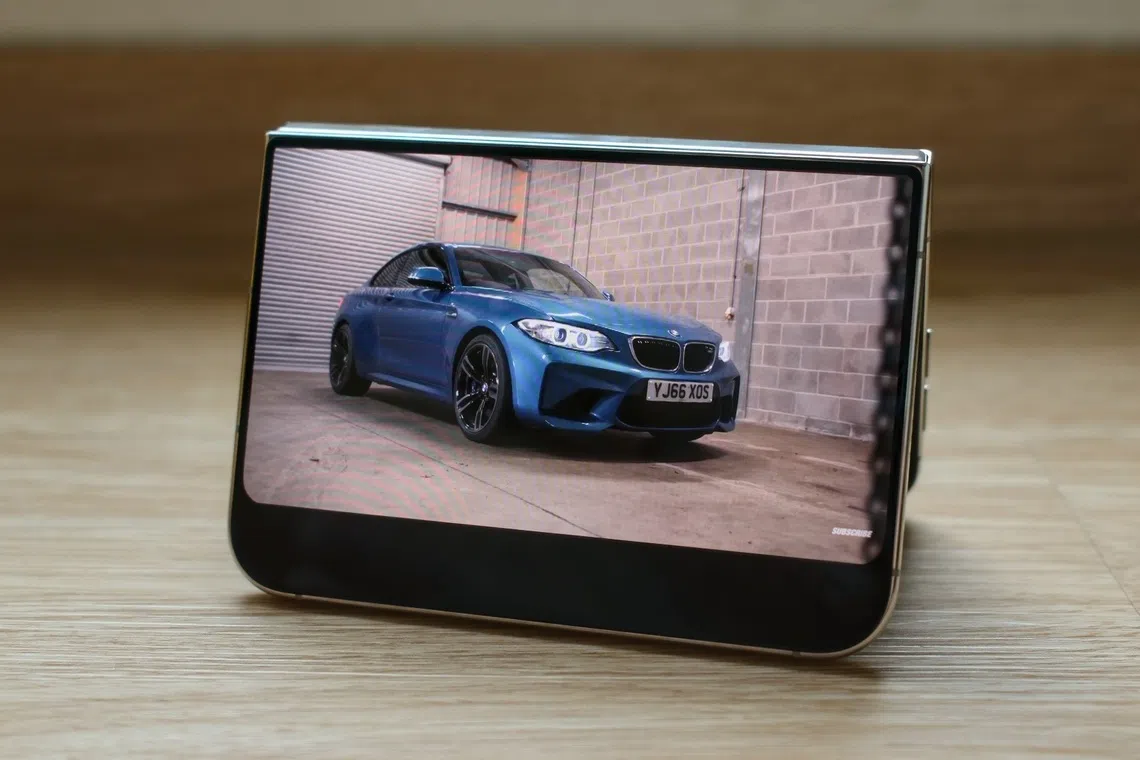
Apple responds to iPhone Duo owners with cracked screens
Apple says a small number of its iPhone Duo units are affected.

The Fed decides today: Here are the 2 levels every Bitcoin trader should watch
The October 28 crypto session clearly shows how two forces can shape prices at the same time. Bitcoin gained 0.59 per cent to US$80,576.90 over 24 hours. The total crypto market cap rose 0.64 per cent to US$2.7 trillion. My view is that the headline numbers hide an important split. Bitcoin moved with traditional markets […] The post The Fed decides today: Here are the 2 levels every Bitcoin trader should watch appeared first on e27.

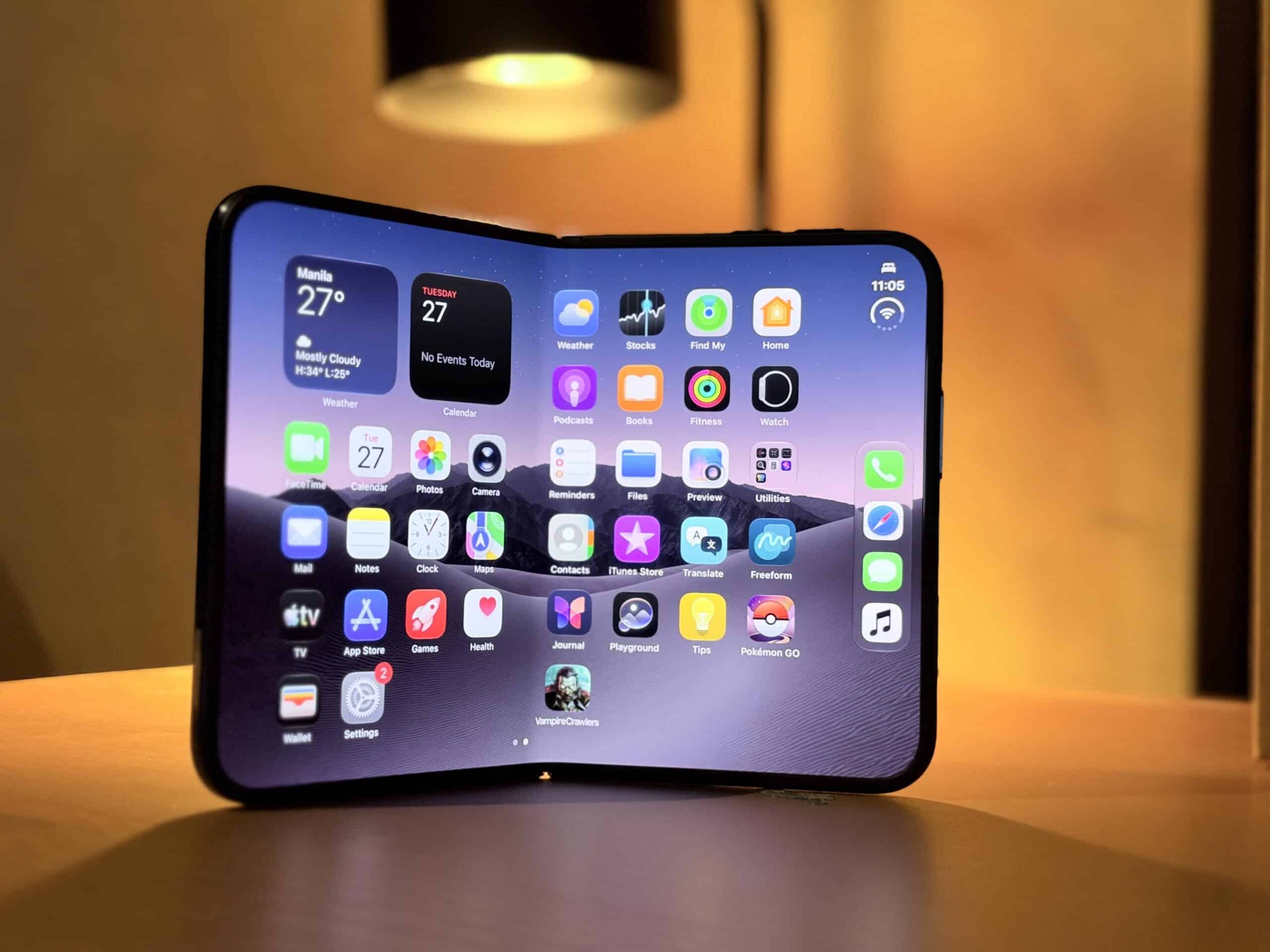
Is the iPhone Duo for you?

HD Hyundai Q3 net profit up 40% to $1 bil.


YOUR NEWS, OUR NETWORK.
Do you have Great News you want to tell the world?
Be it updates about your business or your community, you can make sure that it’s heard by submitting your story to our network reaching hundreds of news sites across 6 verticals.