
The Long Winter : Motorcycle Winter Storage Toronto - Moto Curious Magazine
Sep 4, 2026
Motorcycle winter storage in Toronto means secure storage, proper maintenance, battery care, and a bike that is serviced, protected, and ready to ride come spring.
Toronto, Canada (PRUnderground) September 4th, 2026
The Long Toronto Winter
There is a particular cruelty to riding a motorcycle in Toronto: just as the season begins to feel settled, it starts threatening to end.
I have been riding motorcycles in Toronto for more than a decade, long enough that I have difficulty remembering the version of myself who did not have one. The machines have changed over the years, as have my habits, my tolerance for discomfort, and, perhaps most importantly, my understanding of what motorcycle ownership actually requires.
Toronto gives riders a respectable season, but rarely a generous one. In a good year, the bike comes out in early April and remains useful until somewhere around the middle or end of October. There are exceptions, of course. An unexpectedly warm November afternoon can tempt even sensible people into poor wardrobe decisions. Conversely, April can produce the sort of cold rain that makes a motorcycle seem less like transportation and more like an elaborate refrigeration device.
The calendar matters less than the conditions. Temperature, rain, road salt, daylight, and the rider's willingness to tolerate all of them ultimately determine when the season begins and ends.
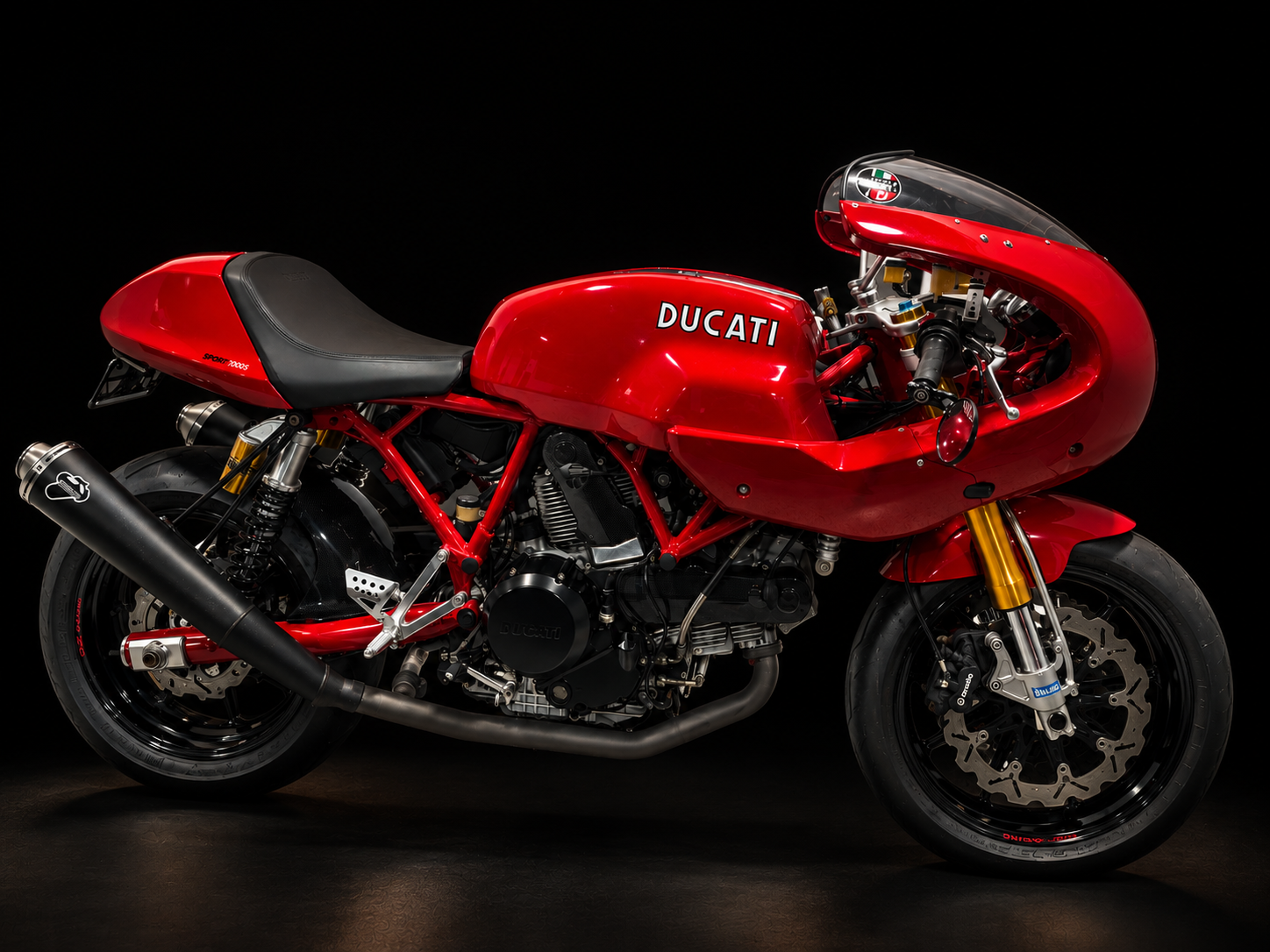
These days, I ride a late-model BMW R nineT. It is a motorcycle that manages the increasingly uncommon trick of feeling modern without constantly reminding you of its electronics. Mine has the useful conveniences, including heated grips, which in Toronto are less an indulgence than a modest extension of the riding calendar. Heated grips cannot turn October into July, but they can make a cold morning considerably more civilised.
Eventually, however, the argument with the weather becomes unwinnable.
The motorcycle has to be put away.
For years, I treated winter storage as a mechanical inconvenience rather than a serious part of ownership. My ritual was uncomplicated: change the oil, connect a battery maintainer if circumstances allowed, put a cover over the motorcycle, and walk away until spring.
Sometimes even that modest plan was optimistic. Living in a downtown Toronto high-rise meant that access to an electrical outlet in the parking garage was not guaranteed. A battery maintainer is wonderfully effective when it can actually be connected to electricity. When it cannot, it becomes an unusually expensive piece of cable.
So each spring contained a small moment of suspense. The first genuinely warm day would arrive, the cover would come off, the key would go into the ignition, and I would silently negotiate with the motorcycle gods.
Please start.
Usually, things worked out.
Until one winter when the motorcycle itself disappeared.
The Empty Parking Space
During the winter of 2019, I went down to check on my bike. Instead of finding the familiar shape beneath its cover, I found an empty parking space.
At first, there is something strangely difficult about processing a stolen vehicle. Your mind searches for mundane explanations before accepting the obvious one. Perhaps I had moved it. Perhaps building management had moved it. Perhaps I was standing in the wrong part of the garage.
I wasn't.
The motorcycle had been stolen.
Toronto Police investigated, and surveillance footage provided the rather dispiriting explanation. A couple of men had arrived with a van, loaded the motorcycle into it, and driven away. That was it. A machine that had occupied a meaningful place in my life had been reduced, in a few minutes, to cargo.
I never saw it again.
The theft changed the way I thought about winter storage.
Until then, I had considered storage primarily a question of preservation. Would the battery survive? Would the fuel system be happy? Should the oil be changed before or after winter? Was the motorcycle protected from moisture and dust?
The theft introduced a more fundamental question: would the motorcycle still be there in April?
A condominium parking garage may feel secure because it is indoors, access-controlled, and populated by expensive vehicles. But a motorcycle presents a particular security problem. A car weighing two tonnes is difficult to remove without its own cooperation. A motorcycle, however sophisticated its immobiliser, remains a relatively compact object. With sufficient manpower and the right vehicle, it can simply be carried away.
No electronic key is required to steal something if the thieves are prepared to treat it as freight.
My old winter-storage routine suddenly looked less like sensible frugality and more like an accumulation of compromises. The bike was sitting for months in a place not specifically designed to store motorcycles. Battery maintenance was inconsistent. Mechanical preparation was minimal. Security depended largely on the building. And when spring arrived, I was relying on hope to make up the difference.
Motorcycles deserve better than hope.
So do their owners.
Outsourcing the Problem
After the theft, I began looking seriously at professional motorcycle storage.
That search eventually led me to OTOMOTO, ( www.torontomoto.com ) a Toronto motorcycle company I first encountered through a YouTube advertisement. What initially attracted me was straightforward enough: I wanted somewhere secure to put the motorcycle for winter. What kept me returning was that professional storage solved a larger problem than simply finding a safe room in which to park it.
It changed winter from a period of neglect into a maintenance interval.
My routine now is remarkably simple. I ride until I decide I am finished for the year, usually when Toronto temperatures begin settling into the lower digits and riding starts becoming an exercise in stubbornness rather than enjoyment. Then I drop the motorcycle off.
And, for several months, it ceases to be my problem.
That last sentence may sound flippant, but there is considerable value in it.
For a busy owner, the attraction of professional storage is not merely that someone else has floor space. It is that responsibility for a collection of small but important tasks is transferred to people whose business is motorcycles.
During storage, OTOMOTO Toronto Moto inc. handles the oil change and battery maintenance. The motorcycle is kept in an alarmed, video-monitored facility. Instead of wondering whether the battery is slowly discharging in a condominium garage or whether the bike is attracting unwanted attention beneath a cover, I know where it is and what is happening to it.
There is also a useful rhythm to the process.
Around early to mid-January, I receive an assessment outlining recommended maintenance. I can review the work, decide what should be done, approve it, and have the motorcycle serviced while there is snow on the ground and no conceivable reason for me to need it immediately.
A few weeks later, the work is complete.
This is a much more intelligent use of winter.
Maintenance When Time Has No Value
Motorcycle maintenance has an awkward seasonal economics.
The moment everyone wants to ride is also the moment everyone discovers what needs fixing.
A weak battery that seemed inconsequential in January becomes rather more important on the first sunny Saturday in April. Worn tyres, overdue fluids, brake work, routine servicing, and other maintenance all compete for attention precisely when riders want their motorcycles back on the road.
There is an obvious alternative: do the work when nobody is riding.
Winter provides something the riding season never does--time.
For a motorcycle already sitting in storage, preventative maintenance can be identified and completed without sacrificing usable riding days. There is no frantic spring appointment, no bike sitting in a service queue while the temperature outside reaches 18 degrees, and no unpleasant discovery that a part needs to be ordered just as the season begins.
For Toronto riders, that matters because our riding season is finite. Losing two weeks to maintenance in February is irrelevant. Losing two weeks in May is not.
The distinction becomes more significant as the motorcycle becomes more valuable, complicated, or personally important. The economics are not simply about the price of storage versus the price of leaving a motorcycle in one's garage. There is also the value of time, inconvenience, mechanical readiness, security, and foregone riding.
For a rider with the space, equipment, knowledge, and inclination to maintain a motorcycle properly at home, professional storage may be unnecessary. A secure private garage, battery maintenance, sensible mechanical preparation, and an owner who knows what he or she is doing can constitute an excellent winter-storage programme.
But that is not the situation for many Toronto riders.
Condominium living changes the calculation. So do demanding careers, limited storage space, building restrictions, lack of electrical access, and the simple reality that not everyone wants to spend a February evening performing motorcycle maintenance in an underground parking garage.
There is a point at which doing everything yourself stops being independence and starts becoming inefficient allocation of time.
I eventually reached it.
What I Was Really Buying
My experience with OTOMOTO Toronto Moto inc. also changed the way I think about premium motorcycle services more broadly.
At first glance, winter storage is a commodity. A motorcycle occupies a certain number of square feet for a certain number of months. Calculate the real-estate cost, add some labour and overhead, and arrive at a price.
But that misunderstands what the customer is actually buying.
I am not particularly interested in purchasing floor space.
I am purchasing continuity.
I want to hand over a functioning motorcycle at the end of one riding season and receive a functioning, serviced motorcycle at the beginning of the next. Everything that happens between those two moments is infrastructure.
Security is part of it. Battery management is part of it. Maintenance is part of it. Communication is part of it. Most important is the removal of uncertainty.
That matters because motorcycles occupy an unusual position among valuable possessions. They are simultaneously machines, transportation, recreation, and objects of considerable emotional attachment. Riders will routinely spend money on titanium exhausts or beautifully machined components while treating storage as an afterthought. I did essentially the same thing.
Having a motorcycle stolen corrected that contradiction rather efficiently.
The cost of proper storage became easier to understand once I compared it not with the cost of doing nothing, but with the consequences of doing nothing badly.
That does not mean professional storage eliminates risk. Nothing does. Alarm systems, cameras, controlled facilities, insurance, locks, and good procedures reduce exposure; they cannot make a motorcycle metaphysically theft-proof. Nor can professional maintenance guarantee that a machine will never develop a problem.
The relevant question is not whether risk can be eliminated.
It is whether it can be managed intelligently.
That is the same calculation serious riders make every time they put on a helmet.
The First Ride
There remains something melancholy about the final ride of the year.
You know it when it happens.
The air has acquired that particular Toronto sharpness. Shadows arrive earlier. Fallen leaves gather near the curbs. The tyres take longer to feel alive. Heated grips, once an occasional convenience, remain switched on for most of the ride.
Eventually, you admit that the season is finished.
I still dislike handing over the BMW. There is an irrational part of motorcycle ownership that resists putting the machine away because storage feels like surrender. Toronto winter is about to take several months from you, and there is nothing horsepower can do about it.
But the anxiety has disappeared.
I no longer spend winter wondering about the battery. I do not wonder whether the motorcycle needs an oil change. I do not discover deferred maintenance when the first good riding weekend arrives. And, after the experience of walking into a garage and finding an empty space where my motorcycle should have been, I place considerable value on knowing that the bike is being stored with security specifically in mind.
Spring is therefore different now.
When the weather finally turns, I am not attempting to resurrect a motorcycle that has been ignored for five months. The servicing has been dealt with. The battery has been maintained. The recommended work has been considered and completed.
There is remarkably little drama.
That is exactly how I want it.
Motorcycling supplies enough uncertainty without manufacturing additional uncertainty in the garage.
After more than a decade of riding in Toronto, I have come to see winter storage not as the sad administrative task at the end of the season, but as the first piece of preparation for the next one. The riding year does not really begin when the motorcycle comes out in April. It begins when it is put away properly in October.
I learned that lesson through an empty parking space.
These days, when the temperature falls and Toronto begins its long retreat into winter, I ride the BMW to OTOMOTO Toronto Moto inc., hand over the keys, and leave the motorcycle to people whose job is to look after it.
Then comes the difficult part.
Waiting for April.
Press Contact
Name: Jane Smith Phone: 6474241088 Email: Contact UsOriginal Press Release.

North Korea linked to $6.3B Binance hack
A North Korea-based cybercrime group appears to be behind a $6.3 billion hack of the cryptocurrency exchange Binance, according to two blockchain intelligence firms. Both TRM Labs and Chainalysis tied the largest crypto hack on record to TraderTraitor, a North Korean hacking unit that has previously targeted the digital asset industry. Billions of dollars' worth...

Top Science Democrat probes cuts to research spending at National Science Foundation
A key Democrat is looking into a massive amount of money that was appropriated to the National Science Foundation (NSF) but reportedly not spent. In a letter first shared with The Hill, House Committee on Science, Space and Technology ranking member Zoe Lofgren (D-Calif.) accused the foundation of violating “Congress’ power of the purse and...

AI, fuelled by advanced chips, set to power semiconductor manufacturing: industry veteran
Artificial intelligence is no longer merely the driving force behind global semiconductor demand, but is also actively reinventing how chips are designed and built, industry leaders and scientists said at a major science forum in Shanghai on Friday. Chen Yunji, co-founder of AI chipmaker Cambricon Technologies, predicted that the integration between AI and chip design would eventually automate the chip design process entirely. “In the [next] 10 years, the most important development … is the RSI...

Backlash against AI data centers threatens GOP's grip on Ohio, Texas
The importance of AI data centers is growing this election cycle as the fight over the infrastructure's costs and environmental impacts may be threatening Republicans in battleground states like Texas and Ohio. Grassroots movements in rural communities, particularly where President Trump won by double-digit margins in each of his presidential bids, are threatening the rural...

Starlink drama puts spotlight on Musk's global stature
Elon Musk and his business's role in a recent dispute over Ukraine's access to Starlink and its military network is putting a spotlight on the tech mogul's outsized influence on the international stage. Following about 10 days of confusion and finger-pointing over what caused the slowdown of Starlink and its military-grade version — Starshield — in Ukraine, Musk acknowledged his company, SpaceX, was behind the restrictions on Starlink's...
Amid brutal sell-off, what comes next for Google, Amazon and other Big Tech titans?
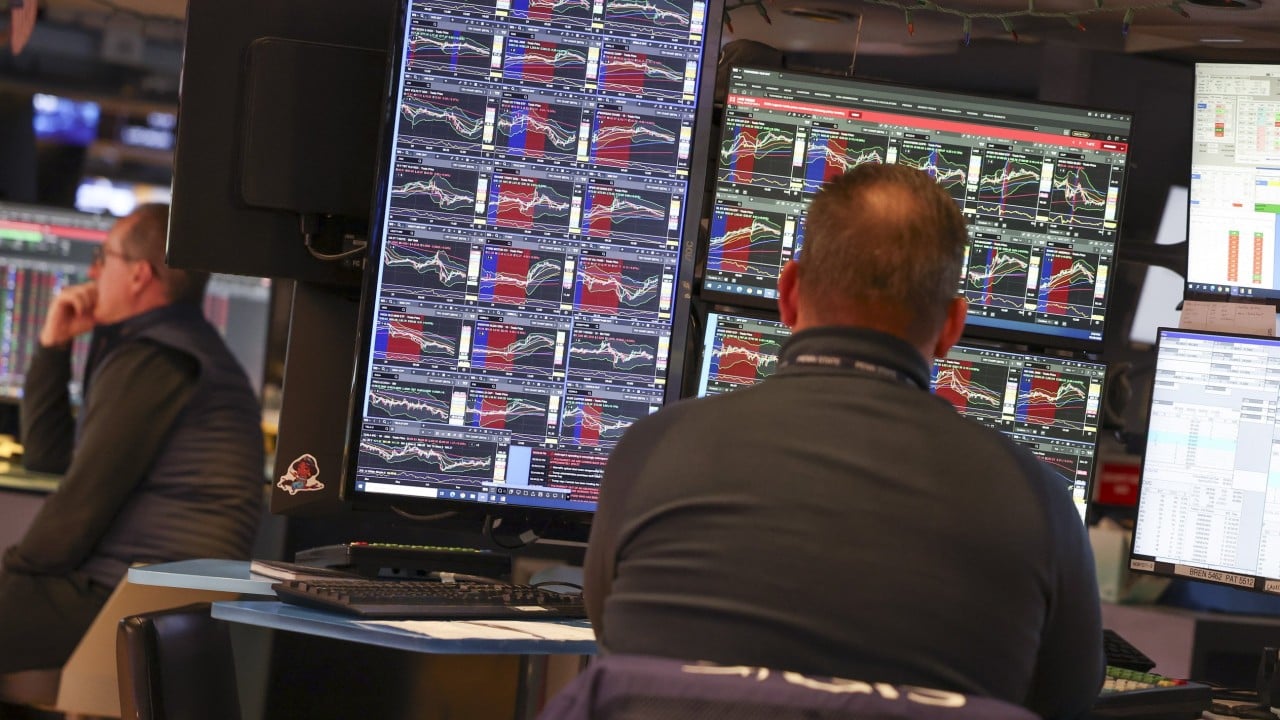
Soaring artificial intelligence revenues have failed to shield Intel, Amazon and Google’s parent company Alphabet from a brutal Wall Street sell-off, as their latest quarterly results deepened investor jitters over mounting capital spending and delayed returns. Intel plunged about 23 per cent in extended trading on Thursday, while Amazon shed 7.3 per cent. Alphabet tumbled 12.6 per cent during the regular session in its worst day on record, dragging the Nasdaq Composite down 1.4 per cent and...
Roblox hands Fave founder Joel Neoh the keys to SEA. His first job isn’t growth, it’s trust
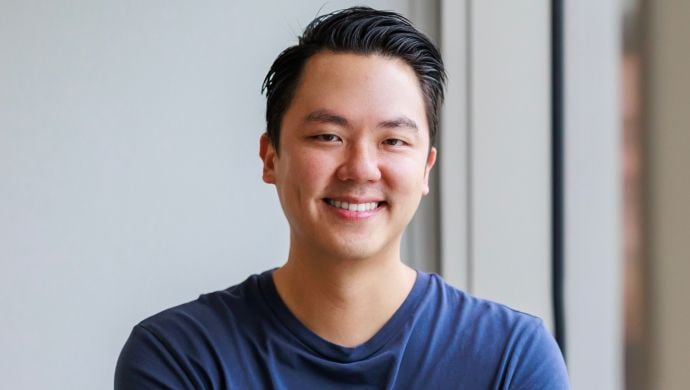
Joel Neoh has spent two decades selling things to adults: group-buying deals at Groupon, cashback at Fave, DNA kits and supplements at Prenetics. His new job asks him to build a business on a platform where a large slice of the audience still needs a parent’s permission to buy anything. Roblox has appointed the Malaysian […] The post Roblox hands Fave founder Joel Neoh the keys to SEA. His first job isn’t growth, it’s trust appeared first on e27.

North Korea’s hiring scam just cost Binance US$6.3B. SEA’s engineers are on the shortlist
For years, Southeast Asia’s crypto regulators have asked exchanges the same set of questions. Where is your licence? Where is your local entity? Where are your cold wallets, and whose name is on them? On October 29, North Korea answered with a question of its own: whose laptop is this? Binance, the world’s largest crypto […] The post North Korea’s hiring scam just cost Binance US$6.3B. SEA’s engineers are on the shortlist appeared first on e27.

German chancellor urges global trade alliance as Germany deepens Indo-Pacific ties
German Chancellor Friedrich Merz called for a global political alliance to defend rules-based trade, urging Germany and Indo-Pacific economies to strengthen economic partnerships and diversify supply chains as geopolitical tensions and intensifying U.S.-China competition reshape the global economy. Speaking at the opening of the 19th Asia-Pacific Conference of German Business (APK) in Seoul on Friday, Merz proposed establishing a "global political alliance for rules-based trade" to defend and strengthen the international trading system and coordinate joint action when it comes under threat. “When supply chains become political pawns, when access to key technologies is imperiled or when efforts to secure raw materials become a projection of power rather than of fair partnership, this jeopardizes growth, prosperity and, ultimately, the security,” he said. “Countries that decouple lose security, innovative strength, prosperity and scope for action. We do not wish to withdraw but rather to expand our freedom of action.” Turning to bilateral ties, the chancellor said Germany and Korea

Goldman Sachs eyes Tmap Mobility acquisition by year-end
Goldman Sachs is seeking to acquire a controlling stake in Tmap Mobility, operator of Korea’s leading navigation app, from SK Square by the end of this year, seeing an investment opportunity in its lower valuation and vast trove of mobility data as autonomous driving advances, industry sources said Friday. For SK Square, SK Group’s investment arm and the largest shareholder of SK hynix, the sale is part of a broader strategy to focus on artificial intelligence (AI) and semiconductors. The global investment bank is looking to invest between 600 billion won ($450 million) and 800 billion won to secure a 60 to 70 percent stake in Tmap Mobility. It is in talks to buy shares from SK Square, the largest shareholder with a 63.23 percent stake, as well as other financial investors, including Affirma Capital and EastBridge Partners, which each hold 9.83 percent, and KB Kookmin Bank, which owns 6.39 percent. Tmap Mobility traces its roots to a navigation service launched by SK Telecom in 2002. The telecom operator spun off its mobility business into a separate company in December 2020, and Tm

Hanwha Systems wins SAR microsatellite constellation project
Hanwha Systems has won a contract to develop synthetic aperture radar (SAR) satellites for Korea's microsatellite constellation aimed at enhancing national security and disaster response capabilities, data showed Friday. The defense solutions arm of Hanwha Group was selected for the SAR satellite development project commissioned by the state-run Agency for Defense Development (ADD), according to the Public Procurement Service. The microsatellite development project is a joint initiative involving the defense ministry, the Korea AeroSpace Administration (KASA) and the Korea Coast Guard to strengthen surveillance of security threats and natural disasters on the Korean Peninsula and in surrounding waters. SAR satellites can capture images of land and sea regardless of weather conditions or time of day. Operating a constellation of small satellites allows for more frequent monitoring of specific areas and faster intelligence gathering. Hanwha Systems has previously supplied SAR sensors and data links for Korea's military reconnaissance satellites.

LIG D&A faces growing hurdles in global arms export amid bribery scandal
LIG Defense & Aerospace's (LIG D&A) overseas expansion plans could be in jeopardy, as an ongoing bribery scandal threatens to disrupt its defense development and production pipeline through a potential two-year government bidding ban. The Seoul Administrative Court will hold a hearing on Thursday to review the company's request to suspend the enforcement of a two-year restriction imposed by the Defense Acquisition Program Administration (DAPA). Last week, the defense authority imposed the penalty on allegations that the firm’s executives offered bribes worth hundreds of millions of won to a DAPA employee during the bidding process for a weapons development project. LIG D&A denied the allegations and has taken legal steps for a temporary suspension of the penalty, which was originally scheduled to take effect on Thursday. The suspension will remain in place until Nov. 20. The potential disruption carries significant implications for the company's business structure. Its government and public institution clients accounted for 64.5 percent, or 2.78 trillion won ($2.07 billion), of LIG D&A


[WEEKENDER] Unknown at home, big abroad





YOUR NEWS, OUR NETWORK.
Do you have Great News you want to tell the world?
Be it updates about your business or your community, you can make sure that it’s heard by submitting your story to our network reaching hundreds of news sites across 6 verticals.