
SWEET HOME Advances Wellness Solutions as a Global Leading Fixed Roller Massage Chair Supplier
Sep 29, 2026

Fuan, Fujian Sep 28, 2026 (Issuewire.com) - The growing demand for convenient, repeatable wellness experiences has placed greater attention on the role of massage technology in modern homes and commercial environments. As a Global Leading Fixed Roller Massage Chair Supplier, SWEET HOME is developing massage and wellness equipment around practical user needs, combining mechanical massage systems, ergonomic design, production capabilities, and flexible OEM/ODM services for international markets.
Changing Expectations in the Massage Chair Industry
Massage chairs have gradually developed from occasional relaxation products into a broader category of home and commercial wellness equipment. Industry research indicates that demand is being supported by greater awareness of stress management, home wellness, ergonomic comfort, and technology-enabled relaxation. Residential applications remain an important part of the market, while spas, hotels, offices, wellness centers, and other commercial environments also create opportunities for specialized massage equipment.
At the same time, the development of massage chair technology is shifting toward more personalized and practical experiences. Roller mechanisms, body scanning, air compression, heat functions, reclining systems, and intelligent controls are increasingly integrated into modern product designs. This creates higher expectations for manufacturers, which must balance mechanical performance with comfort, reliability, usability, and product customization.
SWEET HOME operates within this changing environment with a product portfolio that extends beyond a single type of massage chair. Its range includes full-body massage chairs, vending massage chairs, massage recliners, massage sofas, massage beds, massage cushions and mattresses, and foot massagers. This broader portfolio enables different wellness scenarios to be addressed through different product structures and configurations.
Engineering Massage Experiences Around Different User Needs
A key part of contemporary massage chair development is the interaction between the massage mechanism and the user's body. SWEET HOME's product range incorporates different mechanical approaches to accommodate varying requirements.
For example, its C1 full-body massage chair uses an SL-track system with robotic rollers, intelligent body scanning, air compression, dedicated foot rollers, heat functions, Bluetooth speakers, and zero-gravity reclining. These elements combine mechanical massage with positioning and comfort functions to create a more comprehensive session.
The D5 model takes another approach, combining 3D rollers with an SL-track structure, body scanning, leg compression, calf and foot functions, rotary controls, wireless charging, and AI voice control. Such configurations demonstrate how massage chair manufacturers are increasingly combining mechanical systems with electronic controls and ergonomic features rather than treating each function as an isolated component.
The distinction between different roller systems is also becoming increasingly relevant to buyers. Two-dimensional mechanisms generally provide movement along the basic horizontal and vertical directions, while three-dimensional systems add depth adjustment. Four-dimensional mechanisms can further vary roller speed and rhythm during a session. Understanding these differences helps distributors and brands select products according to actual user expectations instead of relying solely on feature terminology.
This engineering-oriented approach is relevant to SWEET HOME's positioning as a supplier for businesses that require adaptable product specifications. Rather than limiting its manufacturing capability to standardized retail products, the company supports product adjustments for different markets and private-label requirements.
From Manufacturing Capability to OEM/ODM Support
For international buyers, product quality is only one part of supplier evaluation. Manufacturing consistency, customization, testing, documentation, logistics coordination, and after-sales support can all affect the long-term performance of a product program.
FUJIAN SWEET HOME CO., LTD operates an 8,000-square-meter production facility with automated assembly lines and dedicated R&D, quality-control, and production personnel. Its manufacturing process covers stages including incoming material inspection, electrical work, sewing, mechanism aging, assembly, noise testing, packaging, and warehousing. This in-house process gives the company control over multiple stages of product development and production.
The company also provides flexible OEM/ODM capabilities. Branding, functions, and design configurations can be adapted for different B2B projects, while its production and testing structure supports the transition from product development to mass manufacturing. This is particularly relevant to importers, distributors, private-label brands, and wellness businesses that may need products configured for specific market requirements.
Quality and compliance form another part of the manufacturing framework. SWEET HOME identifies CE, RoHS, FCC, and ISO among the standards and certifications associated with its product and manufacturing operations. Its testing resources include leather abrasion testing, color-fastness testing, withstand-voltage testing, DC power supply testing, micro-motor testing, storage oscilloscopes, wire-bending testing, and temperature-profile testing.
Applications Across Home and Commercial Wellness
The application of massage technology is no longer limited to private residences. Different product structures can serve different environments.
Full-body massage chairs are suited to dedicated relaxation spaces in homes and can also be considered for hospitality, wellness, and commercial settings. Massage sofas provide another option where wellness functions need to coexist with conventional seating and interior design. Massage beds can serve spas and wellness centers, while vending massage chairs are designed around commercial environments where automated payment and unattended operation are relevant. SWEET HOME's product categories reflect these different use cases.
This application diversity is also visible in the company's massage bed portfolio. Its jade massage beds are positioned for spa operators, wellness centers, hotel spas, and private-label importers, combining roller mechanisms with heating and other relaxation-oriented functions.
For B2B customers, this range can provide a basis for developing wellness product lines rather than sourcing a single standalone chair. A distributor may require residential massage chairs, while a hospitality project may prioritize massage sofas or beds. Commercial operators may instead need vending equipment designed around a particular payment and operating model.
Supporting the Next Stage of Wellness Technology
The broader wellness technology sector is moving toward personalization, convenience, connected functions, and integration into everyday routines. Recent industry analysis identifies AI-enabled systems, smart controls, ergonomic design, zero-gravity positioning, and customized massage programs among notable directions in massage chair development.
However, technological development does not necessarily mean adding more functions to every product. For manufacturers and buyers alike, the more important consideration is whether a feature improves practical usability. Body scanning, for instance, can help adapt massage positioning to different users, while adjustable roller depth can provide greater control over massage pressure. Heat, air compression, reclining, and foot functions can likewise contribute to a more complete wellness experience when properly integrated into the overall product design.
SWEET HOME's emphasis on R&D, ergonomic contouring, intelligent pressure sensing, and product customization aligns with this movement toward more user-oriented wellness equipment. Its manufacturing model combines product development with testing and production control, providing a foundation for brands and distributors developing massage and wellness offerings for different markets.
Building Long-Term B2B Wellness Partnerships
As the massage chair market becomes increasingly international and technology-driven, suppliers are expected to provide more than finished products. Product development support, manufacturing flexibility, quality management, certification coordination, logistics assistance, and after-sales communication can all influence the viability of an international product program.
The company serves international distributors, established brands, and wellness businesses through OEM/ODM and bulk supply services, while providing support from pre-order consultation and sample testing through logistics coordination and after-sales service. Its experience in international export and customized manufacturing provides a framework for businesses developing massage chair and wellness equipment programs across different markets.
As wellness continues to become more integrated with residential spaces, hospitality environments, commercial facilities, and personalized recovery routines, massage equipment manufacturers will continue to face the need for practical engineering, adaptable production, and dependable support. SWEET HOME's combination of massage chair expertise, diversified wellness equipment, manufacturing infrastructure, and OEM/ODM capabilities positions the company within this evolving supply landscape.
More information about SWEET HOME's massage chairs, wellness equipment, manufacturing capabilities, and business services is available at official website: https://www.fjsweethome.com/.
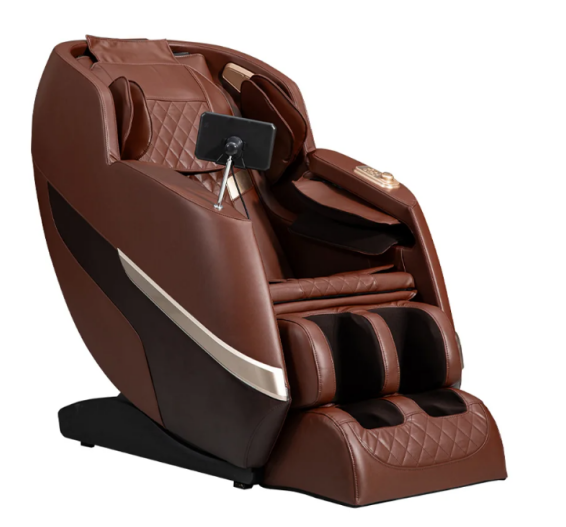
Source :Fujian Sweet Home Co., Ltd.
This article was originally published by IssueWire. Read the original article here.

KCCI, audit authority collaborate to resume construction of 4,000 public housing units
The audit authority has cleared a key hurdle for six stalled public housing projects totaling nearly 4,000 units after the Korea Chamber of Commerce and Industry (KCCI) sought a preliminary consultation on behalf of builders struggling with soaring construction costs. The KCCI said on Tuesday that the Board of Audit and Inspection (BAI) determined that project costs for the six sites, covering 3,936 housing units, can be recalculated to reflect current market conditions. The case marks the KCCI’s first use of the consultation program since it was opened to private organizations in May. “Companies have faced difficulties for a long time, but this was not an issue they could easily make a decision on,” Lee Jong-myung, head of the KCCI's industry innovation division, said. “The BAI's decision to open its doors to the private sector has added another channel for resolving corporate difficulties, and its first result will benefit the public through housing supply.” The six projects are part of a public-private housing program, with public agencies providing the land while private bu

Private sector's role increased in 5th Nuri launch
Private companies played a significantly greater role in the successful fifth launch of Korea’s Nuri rocket on Wednesday, signaling that the country’s efforts to keep pace with the global shift toward a private sector-led “New Space” era are gaining momentum. The Nuri rocket completed its fifth launch and 20-minute-long flight successfully after lifting off at the Naro Space Center in Goheung, Jeonnam-Gwangju Special Metropolitan City, at 12:25 p.m. The most notable change in the latest launch was not the rocket itself, but the growing presence of private-sector personnel at the launch site. Hanwha Aerospace has overseen the manufacturing of the Nuri rocket as its system integrator since the fourth launch on Nov. 27 last year, but this time, its role expanded to the consoles at the launch control center. Hanwha Aerospace deployed 42 staffers for the fifth launch. They participated in operations at 20 of the 22 consoles responsible for launch vehicle systems, and at 18 of them, Hanwha employees directly operated the controls instead of specialists from the Korea Aerospace Researc
![[EXPLAINER] How AI emerged as new threat in Korea's bank hacking crisis](https://newsimg.koreatimes.co.kr/2026/10/07/77d98bb7-f23e-430d-be94-38ae9821547a.jpg)
[EXPLAINER] How AI emerged as new threat in Korea's bank hacking crisis
Hackers once had to manually test security defenses, identify vulnerabilities and work out how to exploit them. Now, artificial intelligence (AI) can do much of that work, requiring little human input. That possibility is at the center of Korea's latest security crisis in the financial sector, as investigators have found traces of an AI-powered autonomous penetration-testing tool in a series of recent cyberattacks on the country's major banks. Since last week, Shinhan Bank, KB Kookmin Bank, Hana Bank, Yegaram Savings Bank and BNK Busan Bank have all reported data breaches, while Woori Bank and NH NongHyup Bank have detected signs of hacking attempts, though no data leaks were confirmed. Shinhan Bank reported that about 25,000 customers were affected, with personal information including names, phone numbers, annual income and loan limits exposed. KB Kookmin reported 119 affected customers, while Hana Bank said personal information belonging to 89 customers was exposed. The hacking spree has drawn particular concern after investigators reportedly found traces of an AI-powered tool known as

SK Energy, HD Hyundai Oilbank face fines over alleged fuel price fixing
SK Energy and HD Hyundai Oilbank may face sanctions from the Fair Trade Commission (FTC) over allegations that they colluded on gasoline, diesel and kerosene prices, with combined fines potentially reaching 4.63 trillion won ($3.45 billion). The antitrust regulator said Wednesday that it sent a review report to the two companies, formally launching deliberations over the alleged price-fixing case. The FTC said the alleged collusion lasted from February 2022, shortly before Russia's invasion of Ukraine, through March this year, shortly after the outbreak of the war in Iran. The case covers petroleum products that are essential to household and economic activity. Korea's oil refining industry is highly concentrated, with SK Energy, HD Hyundai Oilbank, GS Caltex and S-Oil accounting for about 98 percent of the domestic market. According to the FTC, SK Energy and HD Hyundai Oilbank exchanged information on the prices of gasoline, diesel and kerosene, including provisional prices, final prices and sales policies. The regulator also determined that the two companies colluded on prices followin

Beef tallow remains hurdle to Charrr's global expansion
Countries’ regulations on imported foods containing beef tallow pose a hurdle for Samyang Foods as the Korean instant noodle giant seeks to expand exports of its latest black bean sauce instant noodles, Charrr. The company has established Buldak as a massively popular product around the globe without using beef tallow, selling 10 billion units and generating cumulative sales of 7 trillion won ($5.2 billion) as of June. Unlike the spicy, brothless instant noodle brand, however, Charrr uses beef tallow as a key ingredient to give its sauce a rich, beefy flavor. Charrr is not Samyang’s first instant noodle product using beef tallow. The company launched Samyang 1963 in November last year with the ambitious goal of reviving the “forgotten” taste of its first instant noodle product, Samyang Ramen, which was introduced in 1963 and used beef tallow. Samyang Ramen, introduced by the late company founder Chun Joong-yoon to help feed a population suffering from widespread poverty at the time, remains a cornerstone of the company’s identity. Its use of beef tallow has now become part of

Bank data breach victims step up calls for compensation
A growing number of customers affected by a string of recent personal data breaches at major commercial banks and other financial firms appear to be turning to class action lawsuits in pursuit of compensation, according to industry officials, Wednesday. The banks have pledged to fully compensate customers whose losses, including those from voice phishing scams, are found to have directly resulted from the leaks. But proving that a loss was caused by a specific data breach can be difficult in practice, and the banks have yet to set out clear standards for determining which claims would qualify, prompting some victims to resort to legal action. Seven financial firms have reported information leaks so far, including three of the country’s largest commercial lenders — Shinhan Bank, KB Kookmin Bank and Hana Bank. Shinhan reported the largest breach, affecting around 25,000 people, followed by 119 at KB Kookmin and 89 at Hana Bank. The exposed data includes customers’ names, contact details, resident registration numbers, annual income and loan limits. The combination of personal and fin
![[COVER STORY] Nuri rocket successfully completes 5th flight](https://newsimg.koreatimes.co.kr/2026/10/07/6a8cafff-abc8-4ebb-86ed-8bb7b1eb07d3.jpg)
[COVER STORY] Nuri rocket successfully completes 5th flight
Korea’s domestically-developed Nuri rocket successfully carried out its mission in its fifth launch Wednesday, sequentially deploying 14 out of the 15 satellites it carried into their target orbit. The key objective of the fifth launch was to safely deploy the five microsatellite constellations, and its success has demonstrated Korea's increased multisatellite launch capabilities, taking another step toward privately-led commercial launch services. The rocket lifted off from the launchpad at the Naro Space Center in Goheung, Jeonnam-Gwangju Special Metropolitan City, at 12:25 p.m. and completed its roughly 20-minute flight at around 12:45 p.m. The rocket separated its first stage about two minutes after liftoff, followed by the second stage about four and a half minutes into the flight. At around 12:40 p.m., it reached an altitude of 570 kilometers and completed the sequential deployment of five New-space Earth Observation Satellite Constellation for National Safety (NEONSAT) microsatellites (satellites No. 2 to 6), its primary payload, along with nine of the 10 CubeSats it carried. In

AMD to establish AI research center in Korea this year, hire hundreds
U.S. chip giant AMD announced Wednesday that it plans to establish an artificial intelligence (AI) research center in Korea by the end of this year and hire hundreds of researchers as part of broader AI cooperation between the company and Korea. The announcement came during a meeting between AMD CEO Lisa Su and Second Vice Minister of Science and ICT Ryu Je-myung in Seoul. AMD also plans to help develop graduate-level AI and AI transformation talent and collaborate with Korea on a reference model for heterogeneous AI computing. The model would combine AMD’s central processing units (CPUs) and graphics processing units (GPUs) with domestically developed neural processing units (NPUs). The meeting, arranged by the Ministry of Science and ICT, served as an interim review of AI cooperation agreed upon by the ministry and AMD during President Lee Jae Myung’s attendance at the San Francisco AI Summit in July. AMD also outlined plans to work with Korea’s private sector to create new business opportunities. At a subsequent roundtable with 13 Korean companies involved in AI infrastructure, c

OpenAI releases new batch of math breakthroughs
OpenAI released a new batch of mathematics breakthroughs on Tuesday following calls from AI researchers and developers to slow the growth of the technology. The company released 377 results that cover different physics, mathematical and other scientific problems solved by an OpenAI internal frontier model not yet available to the public. “Towards acceleration of scientific...

IMF chief urges countries to do more to curb debt and regulate AI
Countries both rich and poor must take faster action to cut debt and counter growing inequality as their economies weather a triple whammy from the artificial intelligence boom, heavy borrowing and shocks from wars in the Middle East and Ukraine, the head of the IMF said Wednesday. “Some very tough political choices stare us in...
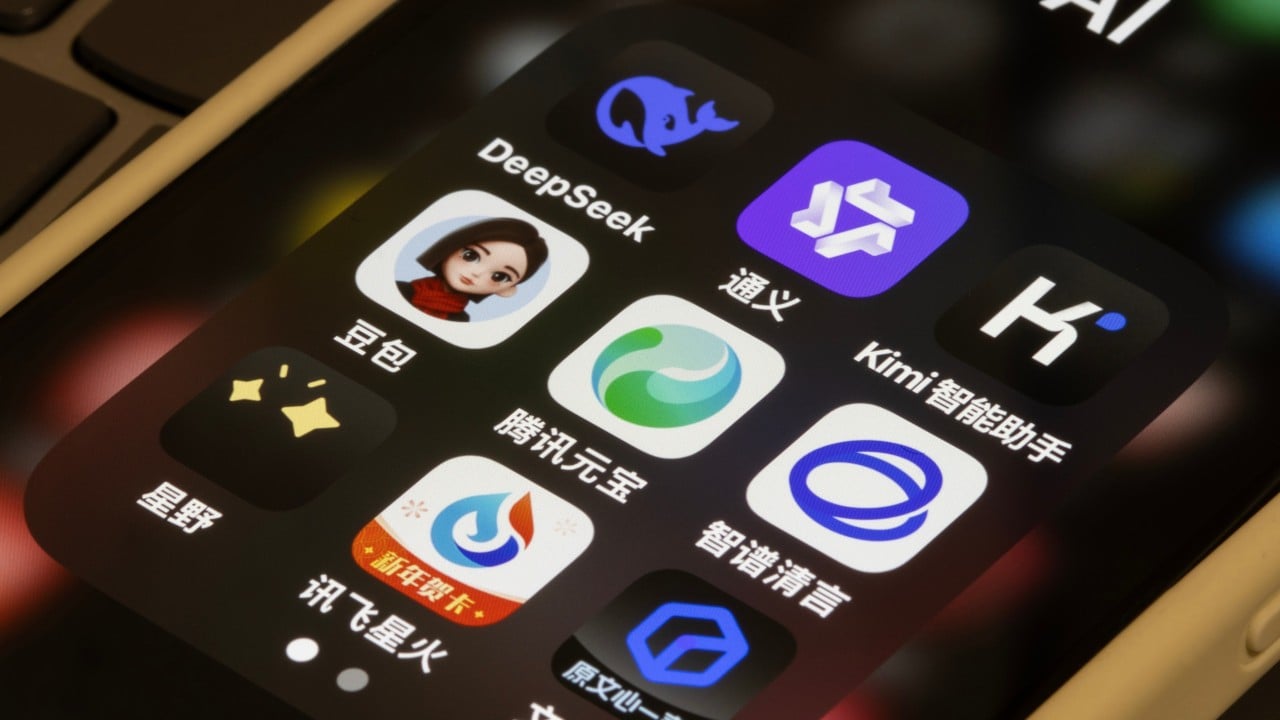
China’s open-weight AI models are winning global users. Who is capturing the value?
China’s open-weight artificial intelligence models are taking off globally, but much of the money they generate is flowing to third-party providers rather than the companies that create them, according to a new study. Developers including DeepSeek and Moonshot AI make their model weights – essentially the “brains” of their AI systems – freely available for download. This strategy, which has accelerated global adoption over the past two years, allows other companies to run the models on their own...

Why Trump chose these leaders to head his 'Super Intelligence Force'
President Trump’s selection of four administration officials to head up his new “Super Intelligence Force” is offering a window into how the White House will approach AI in the face of pressure over its risks. The group of government leaders each reflect different priorities of the Trump administration after months of mixed messaging on the...


YOUR NEWS, OUR NETWORK.
Do you have Great News you want to tell the world?
Be it updates about your business or your community, you can make sure that it’s heard by submitting your story to our network reaching hundreds of news sites across 6 verticals.