
Sports Nutrition Ingredients: Market Trends, Innovation, and Next-Generation Formulations
Sep 4, 2026
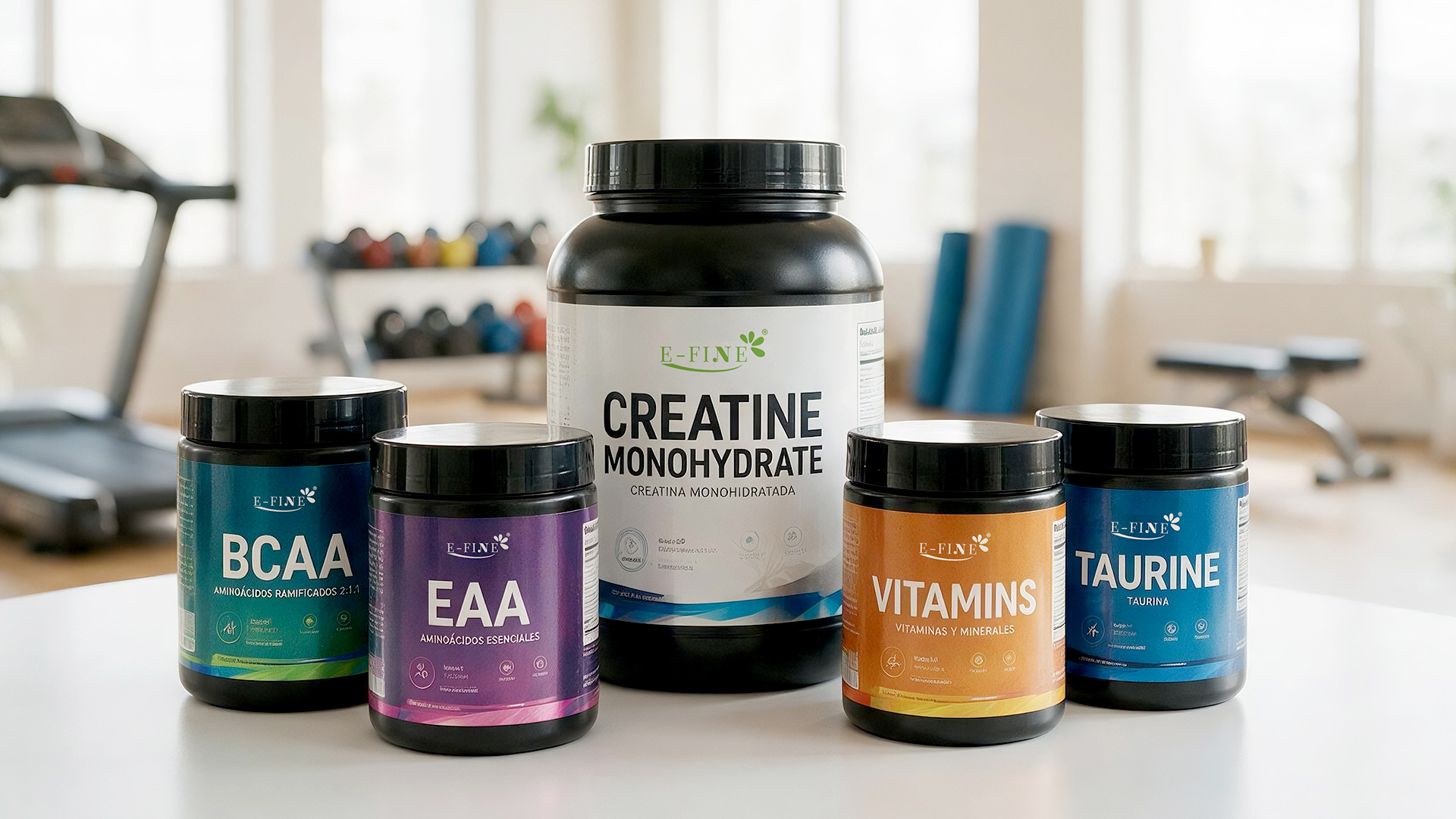
Shanghai, China Sep 4, 2026 (Issuewire.com) - The sports nutrition industry is entering a new stage of development. What was once a category built around professional athletes, bodybuilders, and traditional protein powders has expanded into a much broader active-nutrition market, serving fitness enthusiasts and everyday consumers who want convenient solutions for protein intake, hydration, recovery, energy, and overall wellness.
Recent industry research indicates that the global sports nutrition market continues to grow, with major market trackers generally forecasting approximately 5%-9% CAGR through the early 2030s. Estimates of the 2025 market size vary considerably depending on whether sports drinks, foods, and supplements are included, but the direction is consistent: demand for sports nutrition products and functional ingredients continues to expand.
For manufacturers, this growth creates both opportunities and challenges. Consumers are looking for products that deliver clear nutritional benefits while also offering better taste, convenience, clean-label positioning, and new formats. As a result, the selection and performance of sports nutrition ingredients have become increasingly important in product development.
Proteins Remain the Foundation of Sports Nutrition
Protein continues to be the core ingredient category in sports nutrition. Research shows that protein products remain the backbone of the market, while the category itself is becoming increasingly diversified. Whey and casein continue to play important roles, but plant proteins and blended protein systems are gaining attention as manufacturers respond to changing consumer preferences and supply conditions.
Protein ingredients can be incorporated into a wide variety of products, including:
- Protein powders
- Ready-to-drink (RTD) protein beverages
- Protein bars
- Meal replacement products
- Sports snacks
- Functional beverages
- High-protein foods
Whey Protein Substitute Solutions
Whey protein remains one of the most established protein sources for sports nutrition products. Its strong nutritional profile, high bioavailability, and familiarity among consumers make it an essential ingredient for protein powders, shakes, bars, and other applications.
However, the market is also facing supply and cost pressures. Whey prices have risen sharply since 2023 -- by some accounts five-fold amid surging demand -- encouraging manufacturers to explore alternative protein sources and blended formulations, such as vegan plant-based proteins. To help address this need, Tianjia has developed Vegeta® Plant Protein Premix, which adjusts the amino acid profile and the BCAA and leucine levels to deliver nutritional content equivalent to whey protein. To date, Vegeta® Plant Protein Premix has been recognized by functional and sports nutrition brands across North and South American markets.
Casein and Milk Proteins
Casein, milk protein concentrate (MPC), and milk protein isolate (MPI) provide manufacturers with additional formulation options for high-protein products.
Casein is known for its slower digestion profile, while milk protein ingredients offer functional properties well suited to protein beverages, bars, and nutritional products. Industry research identifies casein, caseinates, MPC, and MPI as established options for sports and nutritional formulations.
Plant-Based Proteins
Plant-based proteins are becoming increasingly important in sports nutrition. Pea and soy proteins are already widely used, while newer sources such as chickpea, fava bean, and mycoprotein are gaining attention.
According to market research, plant-based sports nutrition is one of the fastest-growing protein segments, with a projected CAGR of approximately 9.21% through 2031.
For ingredient suppliers, the opportunity is not simply to replace animal protein. Manufacturers are increasingly considering blended protein systems that combine different protein sources to balance nutritional value, cost, taste, texture, and formulation performance.
Amino Acids: Targeted Nutrition for Sports Formulations
Proteins are made up of amino acids, making amino acids another important group of sports nutrition ingredients.
Industry research identifies amino acids such as glutamine, beta-alanine, leucine, lysine, L-cysteine, and L-cystine, as well as peptides, as ingredients commonly used in sports and nutritional products.
Branched-Chain and Essential Amino Acids
Leucine, isoleucine, and valine are commonly known as branched-chain amino acids (BCAAs). They can be incorporated into powders, capsules, beverages, and other sports nutrition formats.
Leucine is particularly relevant to protein metabolism and muscle protein synthesis. As manufacturers develop products focused on protein quality and targeted nutritional benefits, amino acid profiles are becoming an important consideration alongside total protein content.
Beta-Alanine
Beta-alanine is another established sports nutrition ingredient. It supports carnosine production in muscle and has particular relevance to high-intensity exercise applications.
Importantly, the latest research emphasizes that the evidence for different sports nutrition ingredients is not uniform. Beta-alanine is considered more context-specific, rather than an ingredient with identical benefits across every sports application.
This highlights an important trend: manufacturers increasingly need to consider not only ingredient popularity, but also evidence, dosage, application, target consumer, and regulatory requirements.
Creatine Is Expanding Beyond Traditional Sports Nutrition
Creatine has traditionally been strongly associated with sports performance and muscle-focused supplementation. Today, however, its application landscape is expanding.
Research identifies creatine as one of the most consistently supported sports nutrition ingredients for selected performance outcomes. It also highlights growing interest in creatine applications related to cognitive health and healthy aging.
Creatine monohydrate is available in multiple formats, including powders, tablets, energy bars, and drink mixes.
For manufacturers, this creates opportunities to develop:
- Creatine powders
- Pre-workout formulas
- Recovery products
- Protein-creatine blends
- Functional beverages
- Convenient single-serve formats
As sports nutrition continues to move toward everyday active nutrition, creatine may increasingly appear in products designed for consumers beyond the traditional gym audience.
Hydration and Electrolytes Are Becoming Major Growth Drivers
Protein is still the foundation of sports nutrition, but hydration is emerging as another major ingredient opportunity.
Electrolyte mixes are a particularly fast-growing category, with the market forecast to grow from approximately USD 39.6 billion in 2025 to USD 99.8 billion by 2034, representing a projected 10.8% CAGR.
Sports drinks, electrolyte powders, tablets, stick packs, and functional hydration beverages are creating new applications for ingredients such as:
- Sodium
- Potassium
- Magnesium
- Vitamins
- Functional botanical ingredients
- Other complementary nutrients
The direction of innovation is also changing. Research points toward sugar-free, clean-label, personalized, and multifunctional hydration products.
For ingredient suppliers, this means that simply supplying individual minerals may no longer be enough. Formulation support, premix capabilities, solubility, taste, stability, and regulatory documentation can all become important factors.
From Protein Powders to RTD, RTE, Bars, and Convenient Formats
One of the most important changes in sports nutrition is the evolution of product formats.
Traditional protein powders remain commercially important, but the market is increasingly moving toward ready-to-drink (RTD), ready-to-eat (RTE), bars, hydration products, gummies, shots, and other convenient formats.
This creates new technical requirements for sports nutrition ingredients.
An ingredient that performs well in a dry powder may not automatically perform well in an RTD beverage. Manufacturers may need to evaluate:
- Solubility
- Clarity
- Heat stability
- Neutral taste
- Texture
- Dispersion
- Shelf stability
- Compatibility with other ingredients
Industry research specifically identifies solubility, clarity, heat stability, neutral taste, clean label, and multifunctionality as increasingly important formulation specifications.
Taste is another critical consideration. Protein ingredients and certain amino acids can introduce bitterness, chalkiness, or other undesirable sensory characteristics. Consequently, taste masking and formulation expertise can become an important part of ingredient selection.
Clean Label and Plant-Based Innovation
Today's consumers increasingly expect sports nutrition products to fit into broader healthy lifestyles.
The latest industry research identifies clean label, plant-based nutrition, functional ingredients, gut health, and personalized nutrition as major formulation drivers.
For plant-based products, the challenge is to balance nutrition with consumer experience.
Plant proteins may offer attractive positioning for vegan, vegetarian, and sustainability-focused products, but manufacturers must also address flavor, mouthfeel, solubility, and protein quality.
The research highlights innovation in clear plant proteins and blended formulas designed to overcome some of the traditional challenges associated with plant-based protein beverages and snacks.
This is an area where ingredient technology and formulation expertise can directly contribute to finished-product differentiation.
Gut Health Is Entering Sports Nutrition
The boundary between sports nutrition and general wellness is becoming increasingly blurred.
The latest industry research identifies gut health as a major innovation area, with prebiotic fibers, probiotics, and postbiotics moving into sports nutrition formats such as protein beverages and bars.
This reflects a broader shift from single-benefit sports products toward multifunctional nutrition.
For example, manufacturers can explore product concepts combining:
- Protein + Fiber
- Protein + Probiotics
- Protein + Prebiotics
- Protein + Vitamins & Minerals
- Protein + Performance Ingredients
Such combinations can help manufacturers respond to consumers who want nutritional convenience rather than multiple separate products.
Sports Nutrition Is Becoming "Active Nutrition"
Perhaps the biggest innovation is not a single ingredient, but a change in how the category is positioned.
Industry research describes a clear shift from sports-focused performance products toward everyday active nutrition, with demand increasingly centered on energy, hydration, mental focus, recovery, gut health, and convenience.
This means the potential consumer base is expanding beyond professional athletes.
Products are increasingly being developed for:
- Fitness enthusiasts
- Active adults
- Everyday consumers
- Women
- Older consumers
- Consumers seeking convenient protein
- Consumers interested in healthy aging
- Consumers seeking personalized nutrition
The research also identifies women's sports nutrition as an underserved opportunity and highlights personalization as an important growth driver.
For ingredient suppliers, this creates opportunities to develop more targeted solutions rather than relying on one standard sports nutrition formula.
What Should Manufacturers Look for in a Sports Nutrition Ingredient Supplier?
As the market becomes more sophisticated, the purchasing decision is moving beyond price.
A reliable sports nutrition ingredient supplier should be able to support manufacturers in several areas.
1. Consistent Ingredient Quality
Consistent specifications and reliable batch-to-batch quality are essential for manufacturers producing sports nutrition products at scale.
2. Supply Security
The recent pressure on whey supply demonstrates why supply continuity and capacity planning matter. Industry research identifies security of supply as an increasingly important B2B buying criterion.
3. Application-Oriented Solutions
Manufacturers increasingly need ingredients that work in specific applications, including powders, bars, RTD beverages, stick packs, and functional foods.
4. Documentation and Compliance Support
Sports nutrition products are sold across multiple international markets, each with different requirements for ingredients, labeling, claims, and certifications.
Industry research highlights third-party certification, testing, documentation, and regulatory compliance as increasingly important competitive factors for ingredient suppliers.
5. Innovation Capability
The future of sports nutrition will not be driven by a single ingredient. Successful product development will increasingly combine proteins, amino acids, minerals, functional ingredients, and other nutrients in convenient formats.
Therefore, suppliers that can provide both ingredient quality and formulation-oriented support can create greater value for manufacturers.
The Future of Sports Nutrition Ingredients
The sports nutrition industry is moving from a relatively simple model -- protein powder plus a few performance ingredients -- toward a much broader and more sophisticated ingredient ecosystem.
The research points to several key directions:
- Proteins will remain the foundation of sports nutrition.
- Plant-based proteins will continue gaining share and diversifying.
- Amino acids will support more targeted nutritional formulations.
- Creatine will expand into new applications beyond traditional sports.
- Electrolytes and hydration ingredients will remain major growth areas.
- Gut-health ingredients will increasingly enter protein products and sports beverages.
- Clean-label ingredients will become increasingly important.
- RTD, RTE, bars, stick packs, and other convenient formats will create new formulation requirements.
- Personalized and women-focused nutrition will create new market opportunities.
- Quality, documentation, certification, and supply security will increasingly differentiate ingredient suppliers.
The latest industry research summarizes the opportunity as a two-track ingredient market: a protein core supported by a growing benefit-led layer that includes plant proteins, creatine, electrolytes, collagen, and gut-health ingredients.
For manufacturers, the next generation of sports nutrition products will therefore depend not only on selecting popular ingredients, but on selecting the right ingredients, specifications, formats, and combinations for a specific consumer and application.
How Tianjia Can Support Sports Nutrition Product Development
As the sports nutrition market continues to evolve, Tianjia is committed to providing high-quality food and nutrition ingredients for manufacturers developing innovative products.
From proteins and amino acids to functional nutrition ingredients, the right raw materials can help manufacturers create products designed for today's changing consumer needs -- from traditional sports supplements to convenient functional beverages, nutrition bars, and everyday active-nutrition products.
Tianjia focuses on connecting ingredient quality, reliable supply, application needs, and product innovation to help customers develop competitive nutrition solutions for global markets.
Whether you are developing a protein powder, amino acid formula, sports drink, functional beverage, nutrition bar, or next-generation active nutrition product, selecting the right ingredient partner is an important first step.
More Healthy, More Tasty
For more information, send an email to [email protected]
References
1. Mordor Intelligence. Sports Nutrition Market - Size, Share & 2031 Analysis Report. Source for market sizing and segment growth data, including the 9.21% projected CAGR for plant-based sports nutrition. https://www.mordorintelligence.com/industry-reports/sports-nutrition-market (accessed August 26, 2026)
2. Research and Markets. Electrolyte Mixes Market - Size, Share, Trends, Analysis. Source for the electrolyte mixes market forecast: approximately USD 39.6 billion in 2025 to USD 99.8 billion by 2034, at a 10.8% CAGR. https://www.researchandmarkets.com/reports/5799623/electrolyte-mixes-market-size-share-trends (accessed August 26, 2026)
3. General market growth estimates (approximately 5%-9% CAGR through the early 2030s) are based on a range of publicly available market trackers covering the global sports nutrition market.
Source :Tianjiachem Co.,Ltd
This article was originally published by IssueWire. Read the original article here.
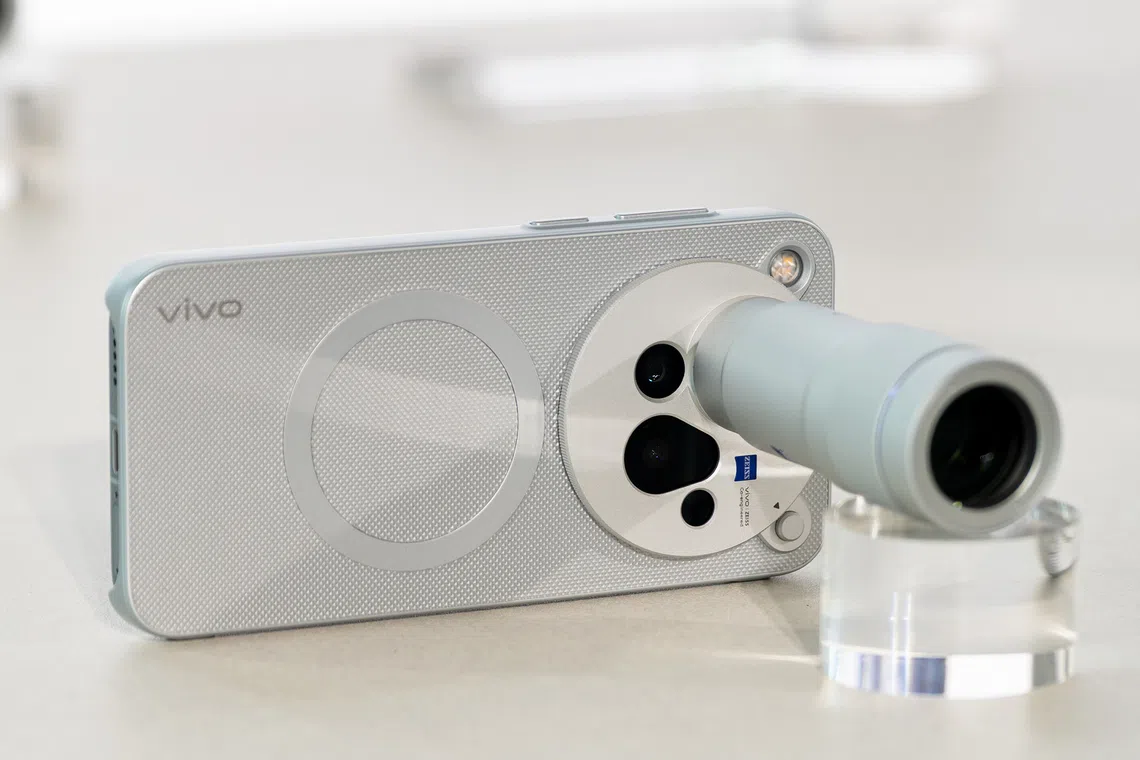
Vivo X500 Pro Max officially lands in Singapore *Updated*
Only the Vivo X500 and X500 Pro Max are coming to Singapore’s shores. Availability and pricing details within!

North Korea linked to $6.3B Binance hack
A North Korea-based cybercrime group appears to be behind a $6.3 billion hack of the cryptocurrency exchange Binance, according to two blockchain intelligence firms. Both TRM Labs and Chainalysis tied the largest crypto hack on record to TraderTraitor, a North Korean hacking unit that has previously targeted the digital asset industry. Billions of dollars' worth...

Top Science Democrat probes cuts to research spending at National Science Foundation
A key Democrat is looking into a massive amount of money that was appropriated to the National Science Foundation (NSF) but reportedly not spent. In a letter first shared with The Hill, House Committee on Science, Space and Technology ranking member Zoe Lofgren (D-Calif.) accused the foundation of violating “Congress’ power of the purse and...

AI, fuelled by advanced chips, set to power semiconductor manufacturing: industry veteran
Artificial intelligence is no longer merely the driving force behind global semiconductor demand, but is also actively reinventing how chips are designed and built, industry leaders and scientists said at a major science forum in Shanghai on Friday. Chen Yunji, co-founder of AI chipmaker Cambricon Technologies, predicted that the integration between AI and chip design would eventually automate the chip design process entirely. “In the [next] 10 years, the most important development … is the RSI...

Backlash against AI data centers threatens GOP's grip on Ohio, Texas
The importance of AI data centers is growing this election cycle as the fight over the infrastructure's costs and environmental impacts may be threatening Republicans in battleground states like Texas and Ohio. Grassroots movements in rural communities, particularly where President Trump won by double-digit margins in each of his presidential bids, are threatening the rural...

Starlink drama puts spotlight on Musk's global stature
Elon Musk and his business's role in a recent dispute over Ukraine's access to Starlink and its military network is putting a spotlight on the tech mogul's outsized influence on the international stage. Following about 10 days of confusion and finger-pointing over what caused the slowdown of Starlink and its military-grade version — Starshield — in Ukraine, Musk acknowledged his company, SpaceX, was behind the restrictions on Starlink's...

Amid brutal sell-off, what comes next for Google, Amazon and other Big Tech titans?
Soaring artificial intelligence revenues have failed to shield Intel, Amazon and Google’s parent company Alphabet from a brutal Wall Street sell-off, as their latest quarterly results deepened investor jitters over mounting capital spending and delayed returns. Intel plunged about 23 per cent in extended trading on Thursday, while Amazon shed 7.3 per cent. Alphabet tumbled 12.6 per cent during the regular session in its worst day on record, dragging the Nasdaq Composite down 1.4 per cent and...

Roblox hands Fave founder Joel Neoh the keys to SEA. His first job isn’t growth, it’s trust
Joel Neoh has spent two decades selling things to adults: group-buying deals at Groupon, cashback at Fave, DNA kits and supplements at Prenetics. His new job asks him to build a business on a platform where a large slice of the audience still needs a parent’s permission to buy anything. Roblox has appointed the Malaysian […] The post Roblox hands Fave founder Joel Neoh the keys to SEA. His first job isn’t growth, it’s trust appeared first on e27.

North Korea’s hiring scam just cost Binance US$6.3B. SEA’s engineers are on the shortlist
For years, Southeast Asia’s crypto regulators have asked exchanges the same set of questions. Where is your licence? Where is your local entity? Where are your cold wallets, and whose name is on them? On October 29, North Korea answered with a question of its own: whose laptop is this? Binance, the world’s largest crypto […] The post North Korea’s hiring scam just cost Binance US$6.3B. SEA’s engineers are on the shortlist appeared first on e27.

German chancellor urges global trade alliance as Germany deepens Indo-Pacific ties
German Chancellor Friedrich Merz called for a global political alliance to defend rules-based trade, urging Germany and Indo-Pacific economies to strengthen economic partnerships and diversify supply chains as geopolitical tensions and intensifying U.S.-China competition reshape the global economy. Speaking at the opening of the 19th Asia-Pacific Conference of German Business (APK) in Seoul on Friday, Merz proposed establishing a "global political alliance for rules-based trade" to defend and strengthen the international trading system and coordinate joint action when it comes under threat. “When supply chains become political pawns, when access to key technologies is imperiled or when efforts to secure raw materials become a projection of power rather than of fair partnership, this jeopardizes growth, prosperity and, ultimately, the security,” he said. “Countries that decouple lose security, innovative strength, prosperity and scope for action. We do not wish to withdraw but rather to expand our freedom of action.” Turning to bilateral ties, the chancellor said Germany and Korea

Goldman Sachs eyes Tmap Mobility acquisition by year-end
Goldman Sachs is seeking to acquire a controlling stake in Tmap Mobility, operator of Korea’s leading navigation app, from SK Square by the end of this year, seeing an investment opportunity in its lower valuation and vast trove of mobility data as autonomous driving advances, industry sources said Friday. For SK Square, SK Group’s investment arm and the largest shareholder of SK hynix, the sale is part of a broader strategy to focus on artificial intelligence (AI) and semiconductors. The global investment bank is looking to invest between 600 billion won ($450 million) and 800 billion won to secure a 60 to 70 percent stake in Tmap Mobility. It is in talks to buy shares from SK Square, the largest shareholder with a 63.23 percent stake, as well as other financial investors, including Affirma Capital and EastBridge Partners, which each hold 9.83 percent, and KB Kookmin Bank, which owns 6.39 percent. Tmap Mobility traces its roots to a navigation service launched by SK Telecom in 2002. The telecom operator spun off its mobility business into a separate company in December 2020, and Tm

Hanwha Systems wins SAR microsatellite constellation project
Hanwha Systems has won a contract to develop synthetic aperture radar (SAR) satellites for Korea's microsatellite constellation aimed at enhancing national security and disaster response capabilities, data showed Friday. The defense solutions arm of Hanwha Group was selected for the SAR satellite development project commissioned by the state-run Agency for Defense Development (ADD), according to the Public Procurement Service. The microsatellite development project is a joint initiative involving the defense ministry, the Korea AeroSpace Administration (KASA) and the Korea Coast Guard to strengthen surveillance of security threats and natural disasters on the Korean Peninsula and in surrounding waters. SAR satellites can capture images of land and sea regardless of weather conditions or time of day. Operating a constellation of small satellites allows for more frequent monitoring of specific areas and faster intelligence gathering. Hanwha Systems has previously supplied SAR sensors and data links for Korea's military reconnaissance satellites.



[WEEKENDER] Unknown at home, big abroad







YOUR NEWS, OUR NETWORK.
Do you have Great News you want to tell the world?
Be it updates about your business or your community, you can make sure that it’s heard by submitting your story to our network reaching hundreds of news sites across 6 verticals.