
Sanku Maots'Ai Analyzes the Top 10 Global Restaurant Brands and Emerging Dining Trends
Sep 24, 2026
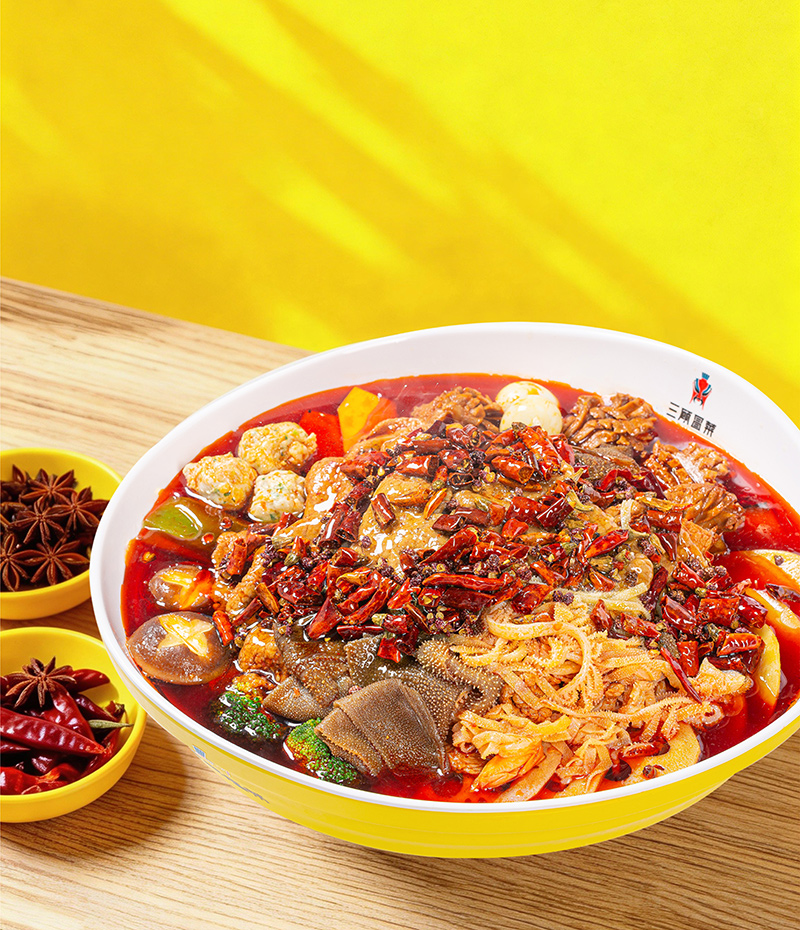
Chengdu, Sichuan Sep 23, 2026 (Issuewire.com) - The Top 10 Global Restaurant Brands continue to attract attention as international dining markets evolve around changing consumer preferences, standardized operations and the growing cross-border influence of regional cuisines. Against this broader industry backdrop, SANKU MAOTS'AI is examining how restaurant brands can develop from local culinary concepts into internationally recognized dining businesses, with Chinese hot pot emerging as one example of how distinctive food culture can reach consumers across different markets.
Global Restaurant Brands Reflect a Changing Dining Landscape
The development of global restaurant brands is increasingly connected to more than the popularity of individual dishes. Standardized operations, consistent product quality, supply-chain capabilities, menu innovation and cultural adaptability can all influence how a restaurant concept performs across different markets.
For Chinese restaurant brands, international expansion also presents an opportunity to introduce regional culinary traditions to consumers unfamiliar with their original cultural context. Hot pot, in particular, provides a flexible dining format in which ingredients can be combined with different broths, sauces and cooking styles.
SANKU MAOTS'AI positions its brand development around this combination of culinary heritage and standardized modern operations. Founded in 2008, the company describes itself as a pioneer in standardized hot pot chain development and has expanded its network to more than 4,000 stores worldwide.
Its international footprint now extends across more than 20 countries and regions, including Germany, the United States, Australia and Japan. The company's stated mission is to promote Chinese culinary culture and support the globalization of Chinese cuisine.
What Defines the Top 10 Global Restaurant Brands?
While global restaurant brands differ considerably in cuisine and business model, several characteristics have become increasingly relevant to international restaurant development.
One is the ability to maintain recognizable flavors across different locations. As a restaurant network expands, maintaining consistency becomes more complicated because ingredients, personnel and operating environments may vary from market to market.
Another factor is supply-chain infrastructure. A scalable restaurant model requires reliable sourcing, standardized ingredients and production processes that can support multiple locations without significantly changing the customer experience.
Menu adaptability is another consideration. Global consumers may have different preferences regarding spice levels, ingredients and flavor profiles. Restaurant brands therefore need to balance the preservation of signature culinary characteristics with product development that responds to local and international tastes.
These factors help explain why the global restaurant industry increasingly combines culinary creativity with manufacturing, logistics, quality control and standardized operational systems.
SANKU MAOTS'AI Builds Its Brand Around Three Pioneering Approaches
SANKU MAOTS'AI describes its development around three pioneering areas: hot pot brand development, a fully owned supply chain and signature products.
The company states that it established the industry's first standardized franchise chain in its category. It also invested RMB 200 million in a 22,000-square-meter smart factory, creating an integrated production foundation designed to support its growing restaurant network.
The company's factory capabilities are intended to address the challenge of maintaining consistent flavors across a large number of locations. According to the company, the factory system is designed to achieve zero deviation in quality and reduce base ingredient and manpower costs by 25%.
This approach illustrates how modern restaurant brands can increasingly depend on industrial infrastructure behind the dining experience. For international restaurant networks, a centralized and standardized supply chain can become an important part of maintaining brand consistency.
Signature Sichuan Flavors Support International Brand Development
Cuisine remains at the center of any restaurant brand, and SANKU MAOTS'AI places traditional Sichuan flavors at the core of its menu strategy.
The brand highlights signature spicy hot pot alongside other products, including Signature Red Chili Oil Boiled Chicken and Uncle Liu's Beef. The company states that approximately 275,000 kilograms of Uncle Liu's Beef are sold annually.
Its product range also includes several broth and flavor options designed around different taste preferences. These include Spicy Hot Pot, Sweet and Sour Spicy Hot Pot, Sweet and Sour Tomato Flavor, Mountain Delicacies and Mushroom Broth, Ginger-Lemon Broth, Traditional Hot Pot with Beef Fat and Classic Sichuan Flavor.
The range demonstrates how a recognizable culinary identity can coexist with product diversification. Rather than relying on a single flavor profile, the menu incorporates both classic Sichuan characteristics and alternative flavor directions.
Secret Recipes and Food Technology Work Together
Preserving traditional flavor while supporting large-scale restaurant operations presents a particular challenge for global food brands. SANKU MAOTS'AI highlights an exclusive secret sauce made from a combination of Chinese herbs and spices, with a classic recipe that the company states has remained unchanged for 18 years.
At the same time, the company has established a dedicated smart factory and testing center. The facility is equipped with testing instruments including gas chromatographs and high-performance liquid chromatographs, supporting its stated approach to food safety and quality assurance.
This combination of traditional recipes and modern manufacturing infrastructure represents one approach to scaling a regional culinary concept. Traditional flavor provides the cultural identity, while standardized production helps reproduce that identity across a larger restaurant network.
Product Innovation Becomes Part of Global Expansion
Restaurant brands operating internationally also face changing consumer expectations. Familiar signature dishes remain important, but new flavor combinations can help brands address different market preferences.
SANKU MAOTS'AI states that its professional seasoning R&D engineers and culinary masters work together on product development. The team focuses on reproducing classic flavors while also developing new taste concepts.
This product-development model allows the company to maintain a connection with Sichuan culinary traditions while exploring flavors such as sweet and sour tomato, ginger-lemon and mushroom-based broths.
For international restaurant brands, such innovation can provide a way to introduce consumers to a distinctive culinary tradition without limiting the dining experience to a single traditional flavor profile.
From Chinese Culinary Heritage to Global Markets
SANKU MAOTS'AI's brand story is rooted in Chinese culinary heritage and the cultural history associated with the Three Kingdoms period. The company connects the name "SANKU" with the spirit of pioneering and breaking new ground.
Since its establishment in 2008, the company reports that more than 4,000 stores have opened worldwide and that its network now reaches more than 20 countries and regions. The company also states that its restaurants serve more than 530 million customers annually.
Its global branch network includes locations in Japan, New Zealand, Germany, Denmark, the United States and Spain, alongside branches in Chinese cities including Chongqing, Chengdu and Xi'an.
This geographic expansion reflects a broader development in the international restaurant market, where regional Chinese cuisines are increasingly being presented through standardized brand models.
The Future of Global Restaurant Brands
The evolution of the Top 10 Global Restaurant Brands is likely to remain connected to several parallel trends, including internationalization, supply-chain modernization, menu diversification and the preservation of culinary identity.
For Chinese restaurant brands expanding overseas, the challenge involves translating local culinary traditions into experiences that can be consistently delivered across different markets. This requires more than opening additional restaurants. It can also involve standardized ingredients, centralized production, food safety systems, product R&D and a clear brand identity.
SANKU MAOTS'AI's development illustrates this approach through its combination of Sichuan-inspired flavors, signature dishes, a 22,000-square-meter smart factory and an international restaurant network.
As Chinese cuisine continues to gain international exposure, the development of restaurant brands such as SANKU MAOTS'AI provides an example of how traditional flavors can be supported by modern supply-chain and production capabilities. The combination of culinary heritage, standardized operations and product innovation is becoming increasingly relevant to the global restaurant industry.
For more information about SANKU MAOTS'AI and its products and global development, visit:https://www.sankuglobal.com/
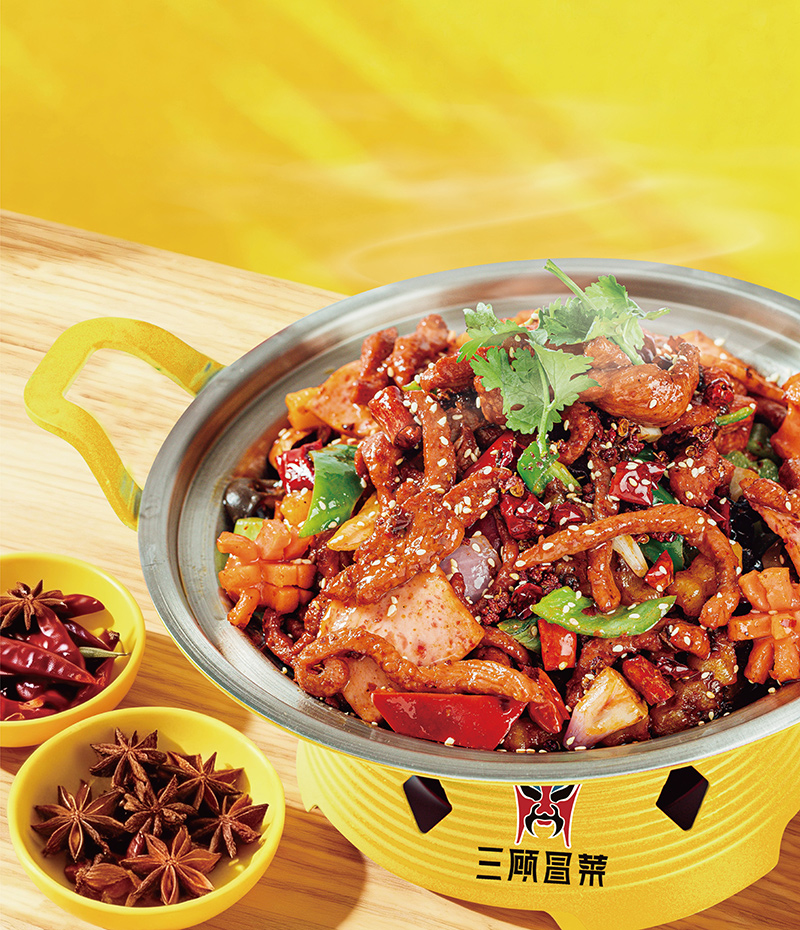
Source :Sichuan Sanku Maots'ai Brand Management Co., Ltd.
This article was originally published by IssueWire. Read the original article here.

Listed Hanwha companies to appoint independent directors as board chairs
Hanwha Group said Wednesday it has appointed an independent director as chair of the board at Hanwha Corp., the group's holding company, adding that other listed Hanwha affiliates will also appoint independent directors as board chairs. During a board meeting, the holding company appointed Kwon Ik-hwan as the new chairman of the board, replacing Kim Woo-seok, who is the company’s construction division CEO. Kwon is a former prosecutor who served as head of the Ministry of Justice's Planning and Coordination Office and chief prosecutor of the Daejeon and Seoul Southern District Prosecutors' Offices. Since joining Hanwha Corp.'s board in 2022, Kwon has chaired the internal transactions committee and been a member of the audit committee and environmental, social and corporate governance committee. Hanwha Corp. said Kwon is expected to lead the board's decision-making transparently based on expertise in law and capital markets. The group said defense electronics unit Hanwha Systems and shipbuilder Hanwha Ocean will also appoint independent directors as chairs of their respective boards. Bot

Diageo Korea whisky expert Sung Jung-yong earns prestigious Scotch honor
Sung Jung-yong, a veteran bartender educator known in Korea’s drinks industry as a mentor to generations of bartenders, has been inducted into Keepers of the Quaich, one of Scotch whisky’s most prestigious international honorary organizations. Diageo Korea said Wednesday that Sung received the distinction in recognition of his contributions to the Scotch whisky industry and efforts to broaden understanding of whisky culture. Founded in 1988, Keepers of the Quaich is an international nonprofit organization dedicated to promoting Scotch whisky’s heritage and standing, with members active in more than 100 countries. Membership is reserved for individuals who have demonstrated sustained expertise and made significant contributions to the industry, with candidates nominated and selected through a rigorous review process. Sung began his career as a bartender at The Shilla Seoul and started training other bartenders in 2008, building a reputation as an influential educator in Korea’s hospitality industry. Since 2014, he has served as Diageo Korea’s brand ambassador and head of the Diag

LG CNS, KDDI team up on AI business in Asia-Pacific
LG CNS, the information technology services affiliate of LG Group, signed a memorandum of understanding with Japanese telecom company KDDI to work together on artificial intelligence (AI) and digital transformation projects across the Asia-Pacific region, the Korean company said Wednesday. KDDI is one of Japan’s three major telecom operators. It provides consumer mobile and internet services as well as business IT services such as AI, cloud and network infrastructure. It runs business operations at 19 sites in 15 countries in the Asia-Pacific region. The partnership combines LG CNS’ AI and digital transformation expertise with KDDI’s telecom infrastructure and global network to find new business opportunities in AI, smart cities, telecommunications and integrated IT system management. The two companies will explore developing agentic AI services — AI systems that can carry out tasks on their own — tailored to local businesses in KDDI’s regional markets. The services will be based on AgenticWorks, LG CNS’ agentic AI platform. They will also consider working together on autom

Netflix sends 81% of Korea revenue to US parent, report shows
Netflix generated more than 1 trillion won ($730 million) in revenue in Korea last year, but sent 81 percent of that sum to its U.S. parent company, leaving its Korean operation with an operating profit of just 20.3 billion won, according to an analysis of its financial statements. Rep. Han Jun-ho of the Democratic Party of Korea, a member of the National Assembly’s Science, ICT, Broadcasting and Communications Committee, analyzed the audit report of Netflix Services Korea and found that the company’s domestic revenue rose to 1.0542 trillion won in 2025, up from 631.7 billion won in 2021. The figures highlight a widening contrast between Netflix’s growth and the financial struggles of domestic streaming platforms, with Tving reporting an operating loss of 69.8 billion won last year and Wavve losing 12.2 billion won. Netflix also dominated paid streaming subscriptions, with a usage rate of 46.7 percent, compared with 13 percent for Tving, according to the Korea Media and Communications Commission’s 2025 survey on broadcast media use. Of Netflix Korea’s 1.05 trillion won in reven

CES organizer highlights Korean firms' AI innovation ahead of 2027 show
The organizer of the CES technology trade show on Wednesday highlighted Korean companies' innovation in cutting-edge technologies, particularly artificial intelligence (AI), ahead of next year's event. "There are several things Korea does that are so important to CES," Kinsey Fabrizio, president and CEO of the Consumer Technology Association (CTA), said during a press conference in Seoul, pointing to the "tremendous amount of innovation" in AI across the country. The 2027 CES will be held in Las Vegas from Jan. 6-9. Another area where Korea stands out is its startup innovation culture, Fabrizio said, noting that startups accounted for about half of the roughly 800 Korean companies that participated in this year's event. "We saw Korea's presence at CES 2026," Melissa Harrison, a CTA vice president, said. She added that a range of Korean companies, including Samsung Electronics, LG Electronics, SK hynix, Hyundai Mobis and Kia, are planning to attend next year's show. The press conference came as an increasing number of Korean companies, including those affiliated with SK Group, have withdraw

IBK launches Vietnamese subsidiary to expand support for SMEs
Industrial Bank of Korea (IBK) officially launched its Vietnam subsidiary in Hanoi, aiming to expand financial support for Korean companies operating in the country and serve as a bridge for financial cooperation between the two countries, the state-run lender said Wednesday. The launch ceremony, held in Hanoi on Tuesday, came after the lender completed the establishment process following final approval from the State Bank of Vietnam in April. The subsidiary began operations on Sept. 25. The subsidiary is Vietnam's 10th foreign-owned bank, according to IBK. IBK Vietnam Bank plans to build on the operating experience of IBK's branches in Hanoi and Ho Chi Minh City, as well as the state-run lender's more than six decades of expertise in policy financing for small and medium-sized enterprises (SMEs). The bank will expand its network around major industrial complexes to better serve Korean businesses operating in Vietnam and provide financing to support productive investment and economic cooperation between the two countries. "IBK Vietnam Bank's official launch marks a new chapter in our loca

LG Electronics emerges as Apple's home AI ally
LG Electronics has built an alliance with Apple in the home artificial intelligence (AI) sector, unveiling a range of internet of things (IoT) devices that will be integrated into Apple's ecosystem. The two companies’ partnership is now extending into the home appliance sector, evolving from component supplies and service integration to jointly developing finished products. For LG Electronics, the collaboration provides access to Apple’s global ecosystem, while Apple can leverage LG’s expertise in home appliances to strengthen its presence in the smart home market. LG Electronics and Apple jointly held a new product showcase in Manhattan, New York, Tuesday (local time), unveiling seven IoT devices. LG Electronics North America CEO Kwack Do-yeong, LG Electronics Home Appliance Solution Platform Business Center Head Jung Ki-hyun and Apple Vice President of Hardware Engineering Matthew Costello attended the event. Dubbed as smart home accessories, the devices include indoor and outdoor cameras, a video doorbell, a smart lock, a smart thermostat and a temperature sensor. They were co-

AI-driven cyberattacks hit 16 financial firms, expose 100,000 records
The number of financial firms affected by suspected artificial intelligence (AI) agent-driven cyberattacks has risen to 16, more than double the seven initially reported, financial regulators said Wednesday. About 100,000 records containing personal information, including resident registration numbers, were exposed. The tally could rise as companies continue checking their systems for signs of intrusion. Regulators also found security deficiencies at 130 of the 555 financial firms reviewed, including failures to apply the latest security patches. The Financial Services Commission (FSC) disclosed the findings at an emergency response meeting. It said the breaches, reported since the beginning of this month, have affected banks, savings banks, credit finance companies, electronic payment providers and cryptocurrency businesses. The affected firms include four banks — Shinhan, KB Kookmin, BNK Busan and Hana — and four savings banks — Yegaram, Welcome, DB and OK. Hyundai Capital and KDB Capital are among the affected credit finance companies. Others on the list include online investment
![[PHOTO] Next-generation memory architecture](https://newsimg.koreatimes.co.kr/2026/10/14/726fc344-baf5-4330-b223-d477d4506cc7.jpg)
[PHOTO] Next-generation memory architecture
Visitors take photos of mockups of zHBM and zNAND-O, 3D architecture for advanced DRAM and NAND memory chips, at Samsung Electronics' booth for the SEDEX 2026 semiconductor exhibition at Coex in southern Seoul, Wednesday. Along with Samsung Electronics, SK hynix and 300 other companies in the semiconductor supply chain are participating in the exhibition, which runs through Friday. Yonhap

LIG D&A, Firehawk to co-develop Poniard rocket system
LIG Defense & Aerospace (LIG D&A) has partnered with U.S. defense technology company Firehawk to develop a propulsion system for its Poniard guided rocket, as the Korean defense company seeks to expand its presence in the U.S. market. The two companies signed a teaming agreement Tuesday (local time) in Washington, D.C., to jointly develop propulsion technology for the 2.75-inch guided rocket system, known as "Bigung" in Korean. Under the agreement, the companies will work together on propulsion system development, with plans to expand the partnership into mass production, further technical cooperation and joint marketing targeting the U.S. government. Firehawk specializes in advanced energetics and propulsion technologies. The company has developed a thermoplastic manufacturing platform designed to overcome material and production limitations associated with conventional rocket propulsion manufacturing. Its technology can be applied across the production process, from propellant and rocket motors to complete munitions. The partnership is expected to support LIG D&A's efforts to localize

Hyundai Motor India opens Pune plant, marks 30 years in country
Hyundai Motor India inaugurated a new smart manufacturing plant in Talegaon, Pune, Maharashtra, on Wednesday, marking 30 years of operations in India as Hyundai Motor Group expands investment to strengthen the country’s role in its global production and export network. The facility will initially have an annual production capacity of 170,000 vehicles, with plans to increase it to 320,000 by 2030. The opening comes as the group plans to invest $15.5 billion in India from 2026 through 2032 to expand manufacturing, research and development, supplier networks and future mobility businesses. “India remains one of Hyundai's most important and strategic markets globally. The inauguration of the Pune plant reflects our long-term commitment to India's growth and our confidence in its bright future,” Hyundai Motor Group Executive Chair Chung Euisun said. The plant's opening was marked in a ceremony by Maharashtra Chief Minister Devendra Fadnavis, alongside Korean Ambassador to India Lee Seong-ho, state deputy chief ministers and senior Hyundai executives. The Pune facility will produce the H
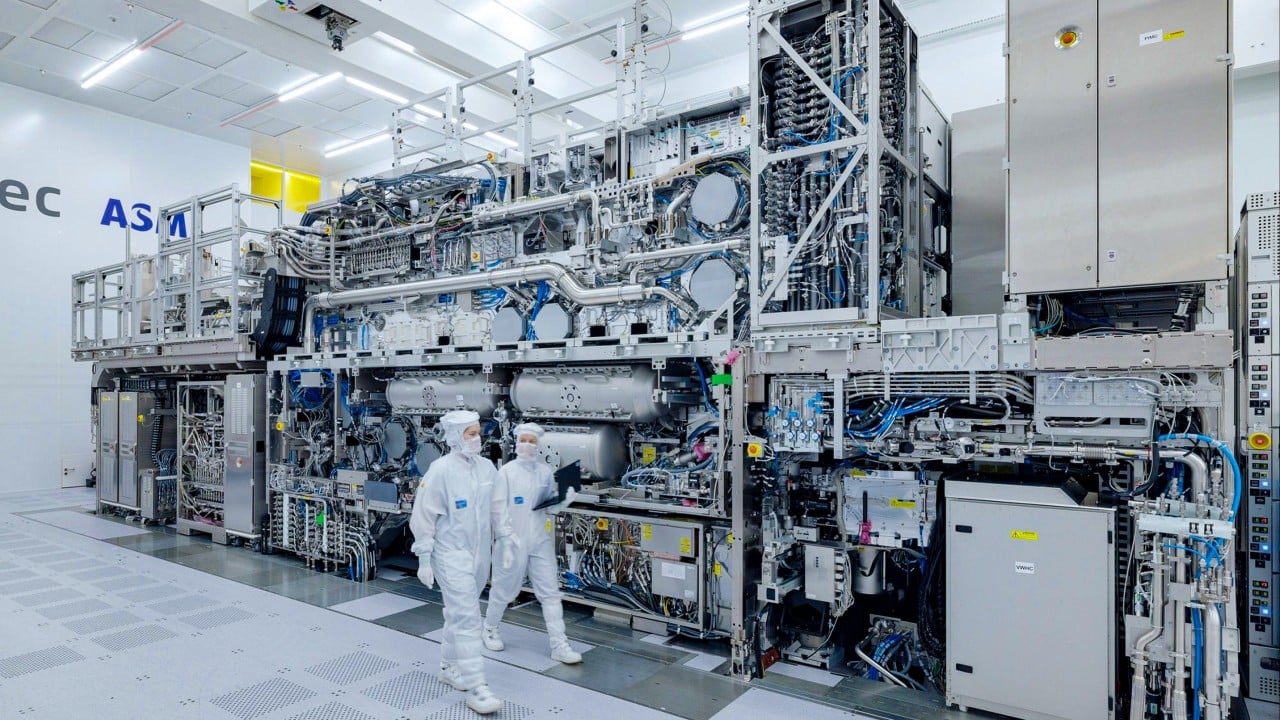
ASML’s chip equipment sales to China soar 109% despite US export curb push
Dutch semiconductor equipment giant ASML expects China to account for about 20 per cent of its total sales this year, after seeing shipments to the market more than double during the previous quarter despite mounting US pressure for tighter export restrictions on less advanced chipmaking machinery. The company’s sales to China surged 109 per cent in the third quarter compared with the previous three months, according to financial results released on Wednesday. That took China’s share of ASML’s...



[PHOTO] Building AI-native workspace

YOUR NEWS, OUR NETWORK.
Do you have Great News you want to tell the world?
Be it updates about your business or your community, you can make sure that it’s heard by submitting your story to our network reaching hundreds of news sites across 6 verticals.