
Jinhua Blossom: China Best Milk Frother Manufacturers For Global Buyers
Sep 17, 2026
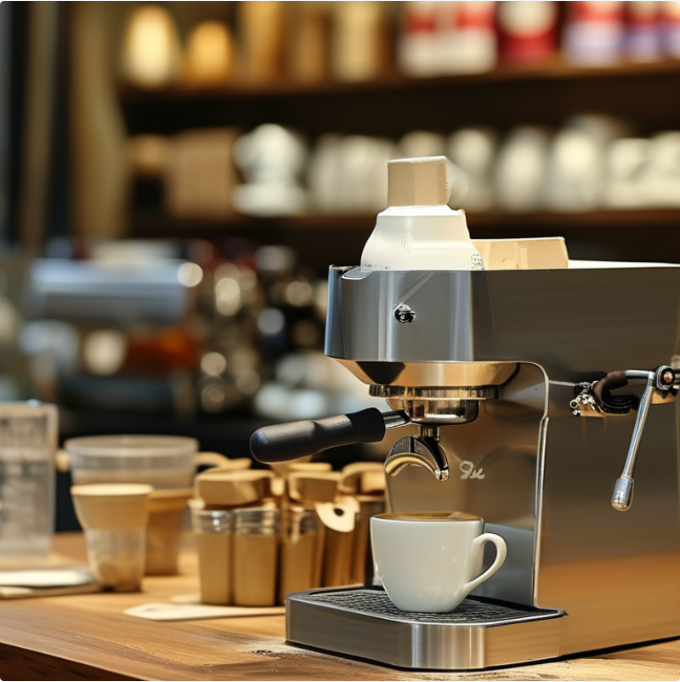
Jinhua, Zhejiang Sep 16, 2026 (Issuewire.com) - China has become a major sourcing base for reliable Milk Frother equipment, serving cafés, hotels, retailers, and private-label brands worldwide. Its manufacturing clusters combine metal processing, plastic molding, motor assembly, and packaging expertise. Yet "made in China" does not automatically mean consistent quality. Buyers must examine evidence.
A practical evaluation starts with the frothing result. A capable Milk Frother should create fine, stable foam without excessive bubbles. During testing, observe the foam after 30 seconds, not only immediately after operation. Check the whisk, shaft, sealing ring, battery compartment, and charging port. Small details matter. A loose lid can damage customer confidence.
Coffee educator David Schomer has often emphasized, "The texture of the foam is more important than its volume." This principle remains useful when comparing Chinese manufacturers. Suppliers should explain motor speed, food-contact materials, temperature limits, noise levels, and expected service life. They should also provide factory photographs, test reports, sample units, and clear warranty terms. Certifications may support credibility, but buyers still need independent verification.
The best manufacturers usually communicate precisely. They clarify minimum order quantities, sample charges, customization limits, lead times, and replacement policies before payment. Experienced buyers should request identical samples from several factories. Differences may appear in foam density, vibration, battery endurance, or cleaning convenience. No supplier is perfect. Even a promising factory may overlook one detail during mass production. That is why pre-shipment inspection and written specifications are essential. This guide introduces China's leading Milk Frother manufacturers and explains how global buyers can compare their capabilities, risks, and long-term value.
SCA's 55-65°C Milk Target and Its Impact on Frother DesignChina Best Milk Frother Manufacturers for Global Buyers
SCA's 55-65°C milk target changes how manufacturers design commercial frothers. This range supports a smooth texture without excessive scalding. The SCA Coffee Standards identify controlled temperature as essential for consistent milk-based beverages. A frother should therefore use a responsive temperature sensor, not only a timed heating cycle. Small delays matter.
In factory evaluation, the most useful test is practical. Measure milk temperature at the pitcher center, then check foam after thirty seconds. A reliable unit should limit temperature overshoot near 65°C. It should also create fine bubbles, similar to wet paint, rather than large, fragile bubbles. Whisk speed, steam pressure, and pitcher shape must work together. That balance is often missed.
Demand makes consistency more important for global buyers. The National Coffee Association's Spring 2024 report found that 67% of U.S. adults drank coffee during the previous day. More home users now expect café-style texture. Manufacturers should provide calibration records, food-contact material details, and repeatability data across 110-240V models. However, one test cannot represent every milk type. Oat, soy, and low-fat milk can foam differently. This remains a design weakness worth testing before bulk orders. Temperature displays may look precise, yet sensor placement can produce misleading readings.
Whisk, Steam, and Induction Frothers: Capacity, Speed, and Power Data
China's milk frother manufacturers serve global buyers with three practical formats: whisk, steam, and induction. Grand View Research identifies electric frothers as the leading market segment, driven by convenience and household adoption. However, market growth does not guarantee consistent engineering quality.
Whisk models usually handle 100-300 ml and operate near 10-25 watts. They suit quick foam, but dense milk can slow the motor. Steam frothers often accept 250-600 ml, with heating power around 400-1,200 watts. A café-style 150 ml foam cycle may take 60-120 seconds. Results depend on milk temperature, nozzle design, and operator control. Small details matter.
Induction frothers commonly process 200-500 ml and use 400-800 watts. Their enclosed heating systems can deliver steadier temperature control, often near 60-70°C. Technavio's market analysis highlights automation and temperature consistency as important demand factors. Buyers should request measured cycle time, usable capacity, wattage under load, and noise readings. Ask for test videos, not only catalog figures. A higher watt rating may indicate faster heating, but it can also increase energy use and surface temperature. That trade-off deserves review. Capacity labels can be optimistic; the safe working volume is usually lower. Testing with whole milk, plant-based milk, and repeated cycles reveals more than one laboratory sample.
Chinese OEM Evaluation Through IEC 60335-1, CE, RoHS, and FDA Compliance
Selecting China's best milk frother manufacturers requires more than checking production photos. OEM evaluation should begin with IEC 60335-1 safety evidence. This standard covers electrical insulation, abnormal operation, temperature rise, and protection against electric shock. Ask for test reports matching the exact model, voltage, plug, and heating structure. A report for a similar appliance is not enough. The whisk shaft, heating plate, power cord, and sealed housing deserve close review.
CE complianceCE compliance should include a valid EU Declaration of Conformity and supporting technical files. CE is a manufacturer's conformity declaration, not a universal quality certificate. RoHS documentation should identify restricted substances in solder, cables, plastics, and circuit boards. For food-contact parts, request material specifications and applicable FDA compliance statements. FDA does not simply approve every complete frother. The contact materials and intended use must be assessed carefully.
Tips: Request traceable samples, factory inspection records, and batch-level quality data. Check whether the tested sample matches the production sample. Also review complaint handling and corrective actions. A polished certificate package can still hide weak process control. I have seen small details, such as loose grounding screws or unclear plastic grades, delay approval. No evaluation is perfect, so buyers should record assumptions and revisit them before mass production.
Factory Verification: MOQ, 500-2,000W Power, Lead Times, and QC MetricsChina Best Milk Frother Manufacturers for Global BuyersFactory verification should begin with the production floor, not a polished catalog. Ask for the exact MOQ at each power level, especially between 500W and 2,000W. A small trial order may require 500 units, while custom colors can push the MOQ above 2,000 units. Request dated factory videos, equipment lists, and recent production records. Details matter.Power claims need practical testing. Check whether a 1,000W model reaches operating temperature consistently under full load. Measure heating time, foam volume, motor noise, and surface temperature from several samples. A reliable supplier should explain its acceptable wattage tolerance, often with documented test limits. Ask for leakage checks, insulation tests, and food-contact material records. Do not accept "passed QC" as a complete metric.Lead times should separate sampling, tooling, production, and inspection. A realistic schedule may show 7-12 days for samples and 25-45 days for mass production. Confirm what happens when components arrive late. I would also request an inspection report from a random batch, including defect rates and corrective actions. One weak point remains: factory data can look perfect during a scheduled visit. Unannounced checks are better, but not always possible. Leave room for that uncertainty.Global Buyer Scorecard: Cost, Warranty, Certifications, and Supply RiskChina Best Milk Frother Manufacturers for Global Buyers
A practical scorecard should compare landed cost, warranty strength, certifications, and supply risk. Unit price alone misleads. The International Trade Centre's Trade Map data places China among the leading exporters in HS 8516, a broad electrical appliance category. However, that code includes many products, so buyers should verify milk frother-specific experience. Request quotations with motor type, heating element, packaging, tooling, and spare-part costs clearly separated.
Warranty terms need measurable evidence. A credible supplier should state coverage length, response time, replacement rules, and failure thresholds. Ask for repair records from the previous 12 months. The 2024 International Quality Institute reports that preventive quality systems reduce recurring manufacturing defects, although results vary by factory discipline. A two-year warranty sounds attractive, but it means little without accessible service support. Some suppliers offer generous wording and slow action.
Certifications should match the destination market.For Europe, request applicable CE documentation and test reports. For North America, verify electrical safety testing through an accepted laboratory. ISO 9001 certification supports process control, but it does not certify every frother model. Confirm the certificate scope and audit validity. Supply risk also deserves a separate score. The World Bank's Commodity Markets Outlook shows continuing volatility in metals and energy prices, affecting heating components and freight. Consider dual-source components, buffer stock, factory backup power, and pre-shipment inspections.
My own caution: a perfect spreadsheet can still miss weak communication during a production delay. Test that before placing a large order.
Conclusion
This guide helps global buyers evaluate Chinese Milk Frother manufacturers through performance, compliance, and supply-chain criteria. It explains how the SCA's recommended 55-65°C milk temperature range influences heating control, foam quality, and product safety. It also compares whisk, steam, and induction frothers by capacity, operating speed, power consumption, and suitability for different commercial or household applications.
The article provides a practical framework for assessing OEM factories, including verification of IEC 60335-1, CE, RoHS, and FDA-related requirements. Buyers will learn how to review MOQ policies, 500-2,000W power options, production lead times, inspection procedures, and key QC metrics. A final scorecard compares manufacturers by total cost, warranty coverage, certification readiness, communication, and supply risk, helping importers select reliable production partners and build a more predictable purchasing strategy.
Source :JinHua Blossom Co., Ltd.
This article was originally published by IssueWire. Read the original article here.

FTC's costly crackdown on conglomerates generates little return
The Fair Trade Commission’s (FTC) increasingly aggressive crackdown on major conglomerates is generating a costly cycle with little tangible return, as the watchdog has been forced to refund billions of won in fines overturned by courts. The watchdog has returned nearly 290 billion won ($216.7 million) to companies since 2022 after administrative court rulings overturned its sanctions. The figures raise questions about whether the regulator’s tougher enforcement produces lasting results or simply creates more legal and financial burdens for both businesses and taxpayers. The latest figures offer little reassurance. For the first nine months combined this year, the FTC returned 23 billion won in fines and associated payments, with 99.7 percent of the amount attributable to sanctions overturned in whole or in part through administrative litigation, according to data submitted to Rep. Choi Eun-seok of the main opposition People Power Party. But the regulator is moving in the opposite direction. Since President Lee Jae Myung took office last year, the government has pushed to strengthen

The AI promise was automation. The reality? Managing digital workers
When artificial intelligence agents first arrived, they came with a tantalising promise: autonomous “digital workers” that would finally free humans from corporate drudgery. As businesses across Asia are discovering, however, the reality is quite the opposite – more work, new friction and a whole new layer of management. When Xiao Mengjie, an AI product marketing manager at a Big Tech firm in Shanghai, recently assigned two AI agents what she described as a simple task, she expected efficiency....
[Reporter's Notebook] FTC's costly crackdown on conglomerates generates little return
The Fair Trade Commission’s (FTC) increasingly aggressive crackdown on major conglomerates is generating a costly cycle with little tangible return, as the watchdog has been forced to refund billions of won in fines overturned by courts. The watchdog has returned nearly 290 billion won ($216.7 million) to companies since 2022 after administrative court rulings overturned its sanctions. The figures raise questions about whether the regulator’s tougher enforcement produces lasting results or simply creates more legal and financial burdens for both businesses and taxpayers. The latest figures offer little reassurance. For the first nine months combined this year, the FTC returned 23 billion won in fines and associated payments, with 99.7 percent of the amount attributable to sanctions overturned in whole or in part through administrative litigation, according to data submitted to Rep. Choi Eun-seok of the main opposition People Power Party. But the regulator is moving in the opposite direction. Since President Lee Jae Myung took office last year, the government has pushed to strengthen
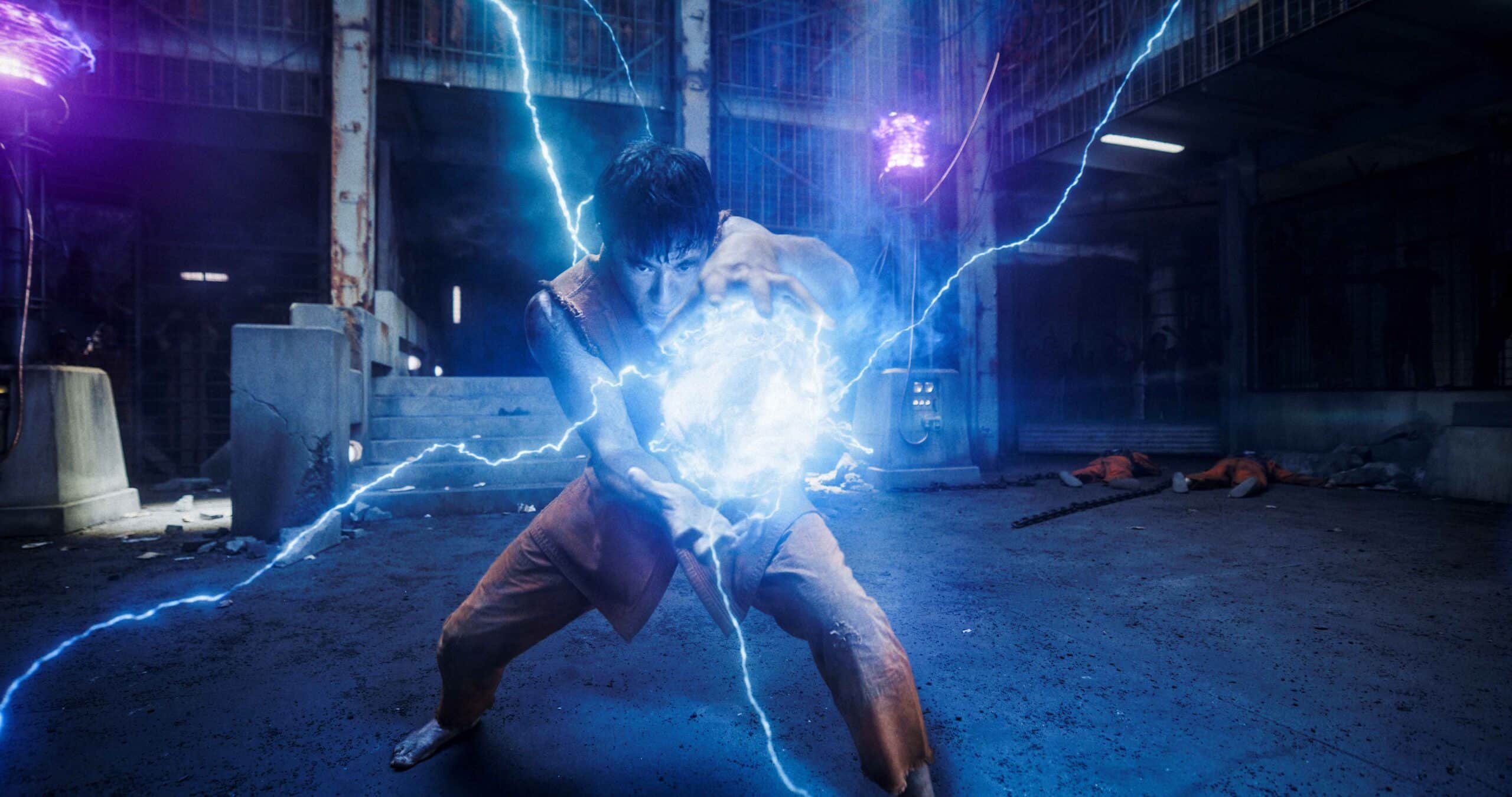
Street Fighter: a fighting game movie that fans must see
MANILA, Philippines – For nearly four decades since it started out as a small arcade game and eventually turned into the fighting game franchise powerhouse it is today, Capcom’s Street Fighter series is as universally recognizable as every iconic property and brand known in popular culture. The series has undergone several evolutionary leaps since it
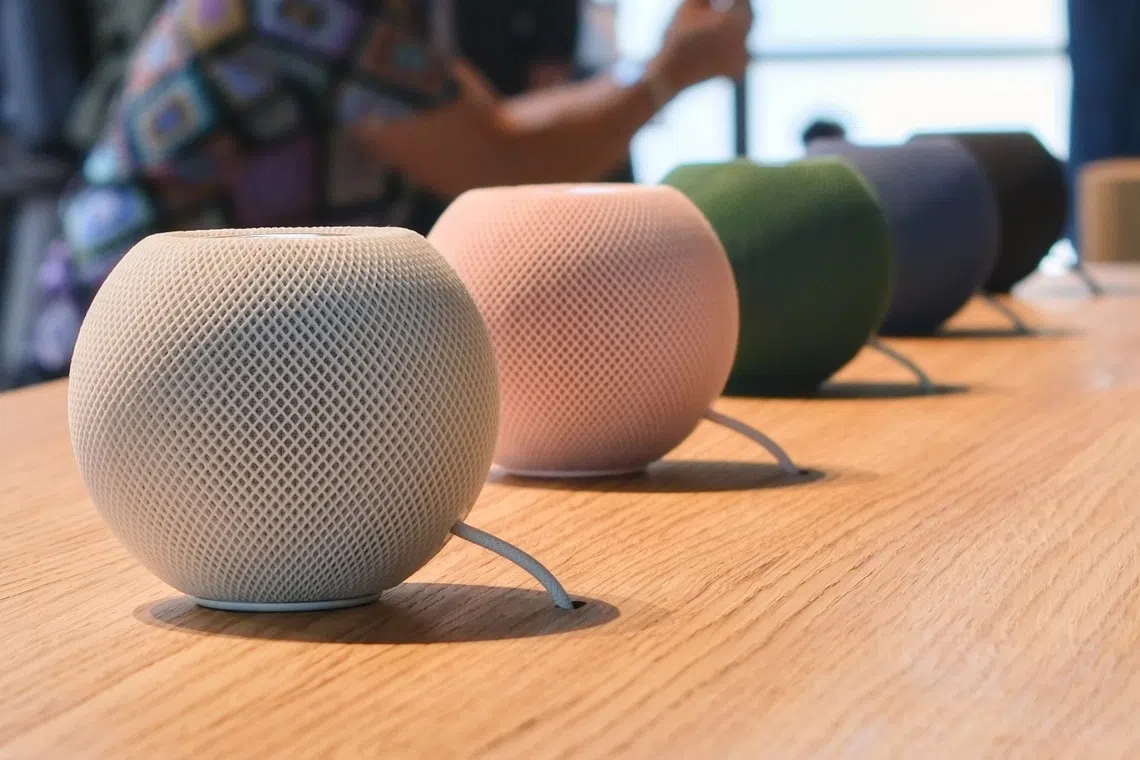
Apple’s new HomePod mini 2 speakers feature Sound Glow and will eventually support Siri AI
It’s been six years since the first HomePod mini, so now we are getting a much-needed update to keep it fresh.

Meta wants to put more AI technology on our faces
At Meta Connect 2026, Meta unveiled its latest AI glasses, shared how they’re bringing the Muse personal AI agent to glasses, and introduced the all-new Meta VR Glasses.
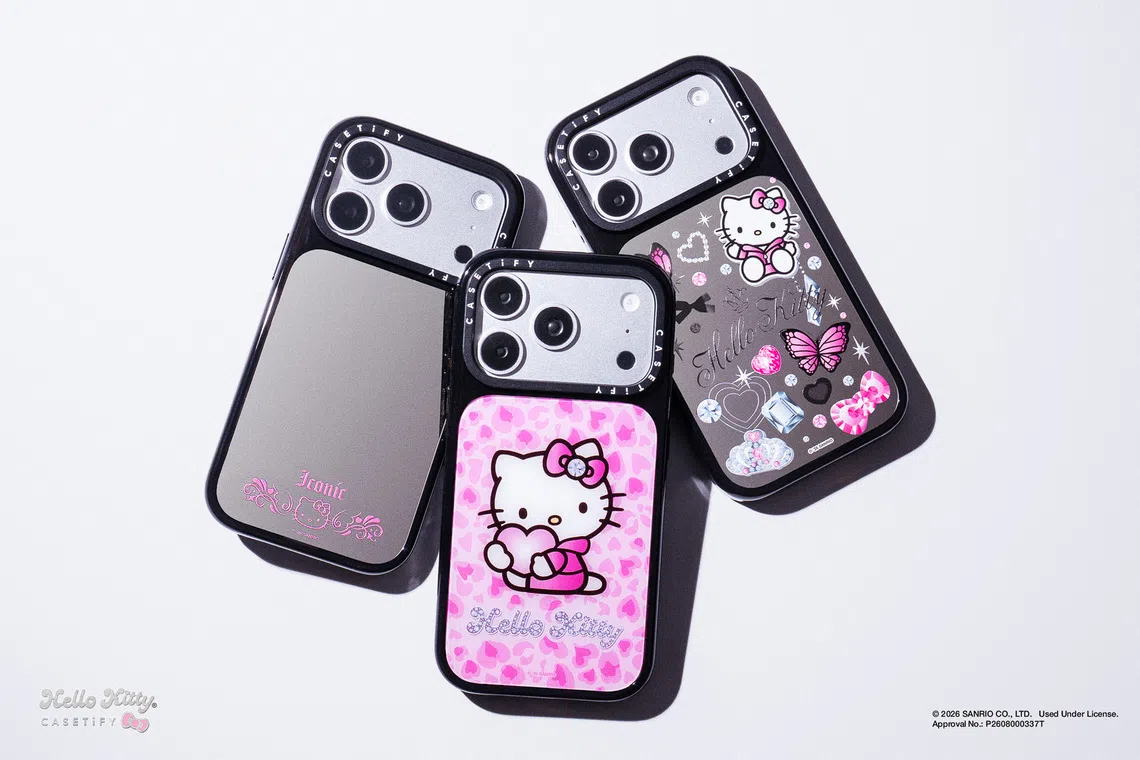
Casetify gives Hello Kitty a very Y2K makeover with its latest collection
Leopard prints, hot pink and sticker-covered cases bring early-2000s visuals to iPhones and other accessories.
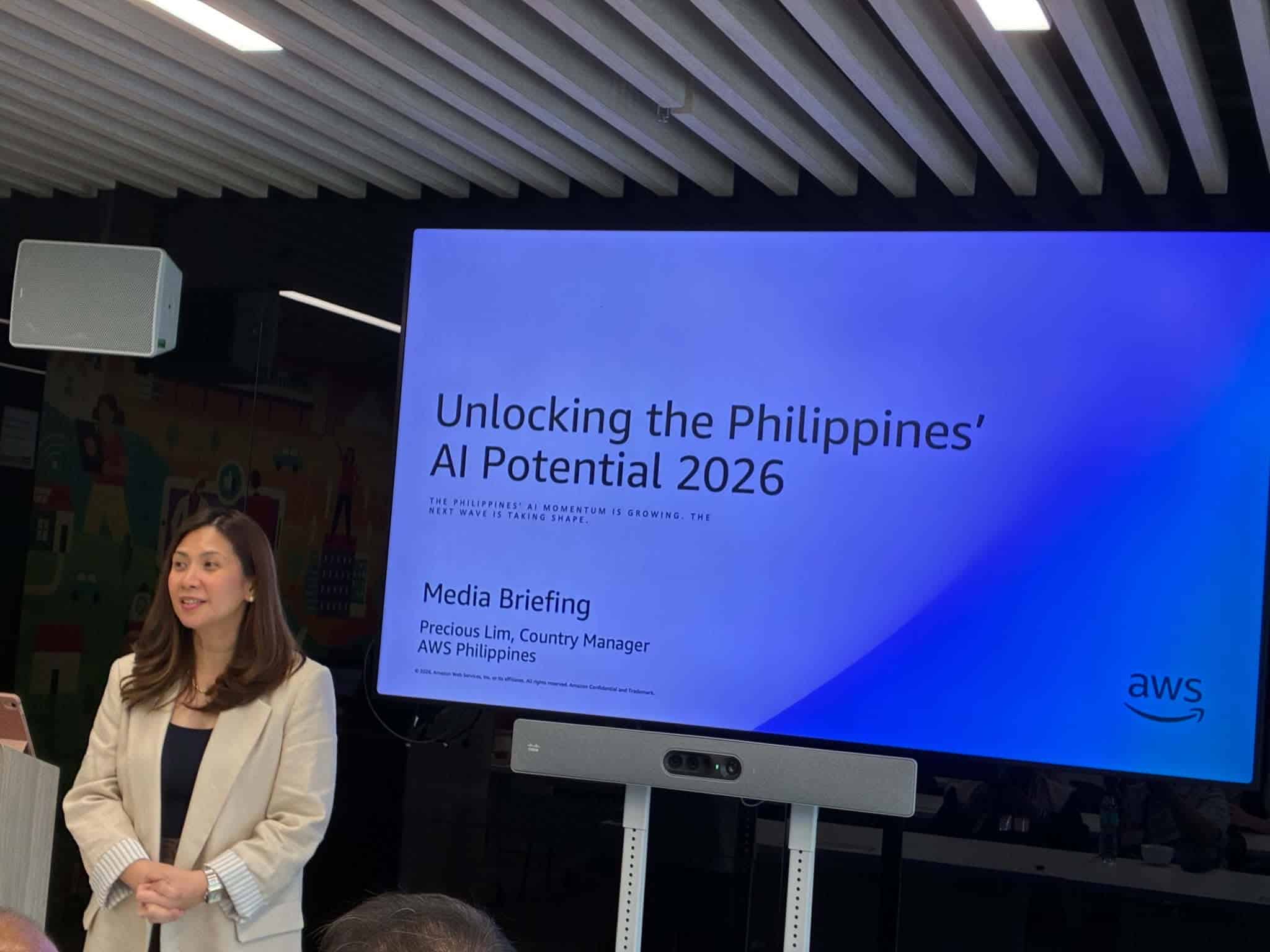
Only 17% of Philippine businesses have a roadmap to scale AI
Only 17% of businesses in the Philippines have a roadmap for scaling artificial intelligence (AI), highlighting a gap between growing adoption of the technology and companies’ ability to integrate it more deeply into their operations. The finding comes from Unlocking the Philippines’ AI Potential 2026, a report commissioned by Amazon Web Services (AWS) and conducted

Securing equipment emerges as new variable for Korea's chip expansion plans
Securing equipment for manufacturing advanced memory chips is emerging as a new variable in Korea's plans to expand semiconductor production capacity through large-scale industrial clusters, after ASML, the dominant supplier of advanced chipmaking equipment, warned that its current production plans may not be sufficient to meet demand in 2027 and 2028. During its earnings call Wednesday, ASML CEO Christophe Fouquet said the company's plans to increase its production capacity for advanced chipmaking equipment by 30 percent in 2027 and another 30 percent in 2028 would likely not be enough to meet customer demand. “Last quarter, we talked about 30 percent more capacity next year, and also the aspiration to have another 30 percent increase in 2028,” Fouquet said. “But to be honest, it's becoming very clear that 30 percent in 2027, 30 percent in 2028 will not allow us to meet our customer demand.” According to the company, the planned capacity increases cover both low-numerical-aperture extreme ultraviolet (low-NA EUV) lithography equipment and deep ultraviolet (DUV) immersion system

Musinsa teams up with Japan's ZOZOTOWN for 1st Korean pop-up
Fashion platform Musinsa has teamed up with ZOZOTOWN, one of Japan's leading online fashion retailers, to open a pop-up store in Seongsu-dong, Seoul, a popular destination for young consumers. Musinsa opened the doors to ZOZOTOWN in Musinsa, the Japanese platform’s first official pop-up store in Korea, to the media on Friday. The pop-up will run through Oct. 31, while an accompanying online promotion will continue until Nov. 16. Launched in 2004, ZOZOTOWN features more than 11,000 brands and serving over 13 million customers annually. Fifteen Japanese fashion brands available on the platform, including Snidel and Grancy, are participating in the event. The pop-up’s concept, ZOZO is Coming to Town, draws inspiration from Korean streets. Crosswalks, road markings and oversized three-dimensional typography have been incorporated into the space to create the impression of an intersection where Korean and Japanese fashion meet. The pop-up follows the signing of a memorandum of understanding between the two platforms in December 2024 to establish a strategic partnership. In November last y
China’s proposed AI tech export bans may create short-term costs, long-term gains: analysts
China’s proposed export bans and controls of artificial intelligence technologies aim to tighten Beijing’s grip in the strategically vital sector, casting a cloud over the commercial prospects of domestic model developers in the global AI race, analysts say. The new measures come as concerns mount globally over the risks of advanced AI systems, following a string of recent cyberattacks, while also underscoring AI’s growing national security importance for both Beijing and Washington. Zhang Yi,...
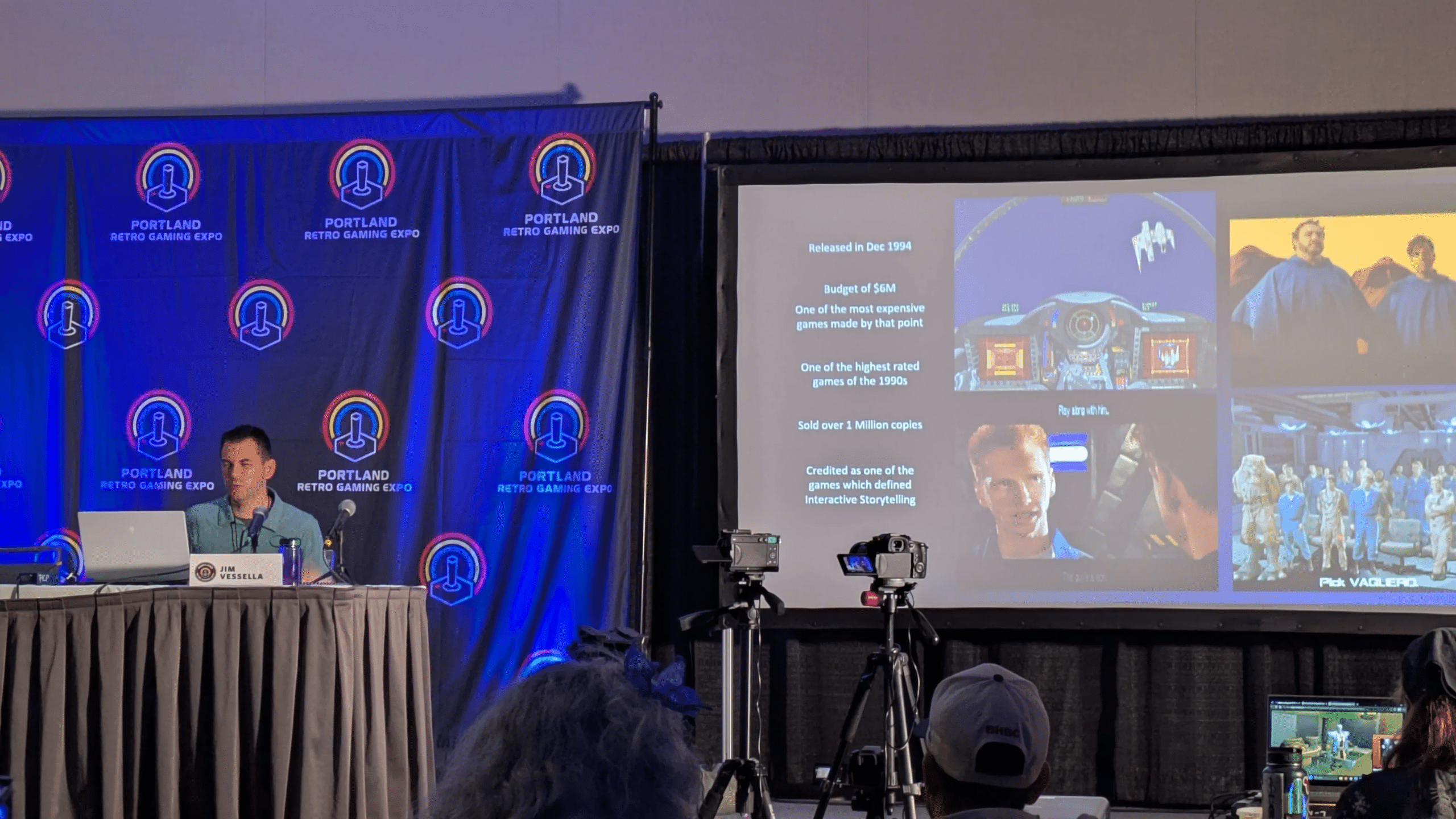
EA producer confirms the return of Wing Commander
MANILA, Philippines – A panel at the Portland Retro Gaming Expo on game preservation revealed that the master tapes containing high quality source video for Wing Commander III were located. The contents of these tapes will now undergo restoration and preparation is at work for a new release of the game, tentatively called Wing Commander




YOUR NEWS, OUR NETWORK.
Do you have Great News you want to tell the world?
Be it updates about your business or your community, you can make sure that it’s heard by submitting your story to our network reaching hundreds of news sites across 6 verticals.