
Innovation Highlights from Qualtech, a China One-Stop BESS Battery Energy Storage Exporter
Sep 23, 2026
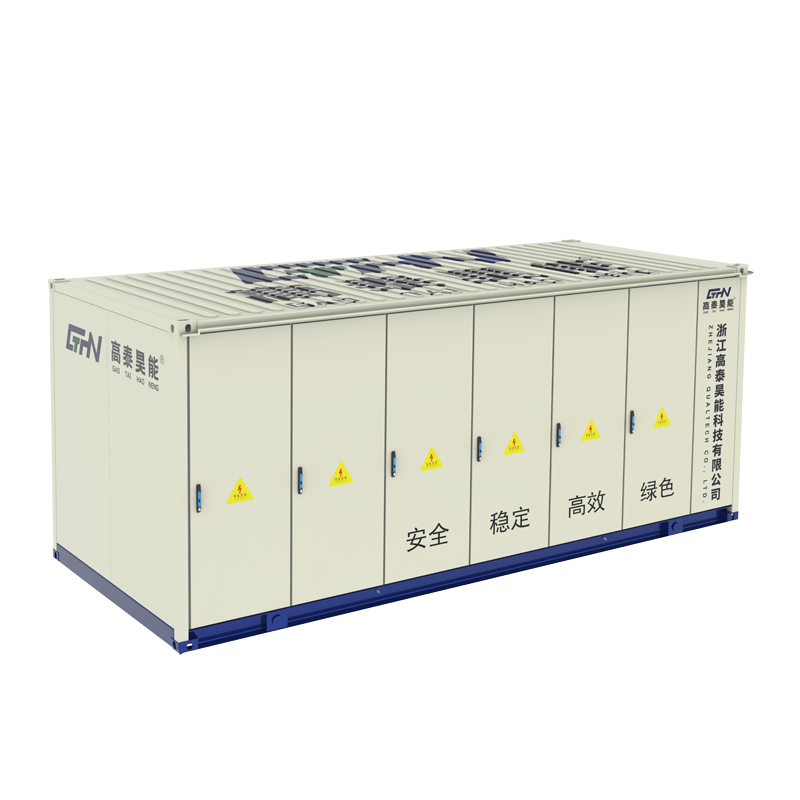
Hangzhou, Zhejiang Sep 23, 2026 (Issuewire.com) - How can commercial and industrial facilities maintain operational continuity when local grids face intermittent stability? Why do so many overseas energy storage deployments encounter unexpected technical friction during the initial on-site commissioning phase? As distributed energy infrastructure becomes central to corporate sustainability, engineering teams frequently discover that purchasing individual hardware components from separate vendors creates severe integration bottlenecks. In the global procurement landscape, a China One-Stop BESS Battery Energy Storage Exporter plays a critical role that extends far beyond simple freight forwarding or container packing. True technical differentiation requires an exporter to deliver deep, native subsystem orchestration across battery cells, management software, conversion electronics, and thermal controls to guarantee long-term field reliability.
Recognizing this market challenge, Zhejiang Qualtech Co., Ltd. has structured its entire corporate architecture around unified system integration. Established in 2011 and headquartered in Hangzhou, Zhejiang, Qualtech has developed from a dedicated technology firm into a national high-tech enterprise. The company has been officially recognized by the Ministry of Industry and Information Technology as a specialized, refined, and new "little giant" enterprise. Today, Zhejiang Qualtech Co., Ltd. operates as a prominent developer in both the new energy vehicle BMS and stationary energy storage BMS sub-markets within China. By focusing its core competencies on the research, design, production, and distribution of control architectures, Qualtech addresses the exact subsystem coupling misalignments that frequently disrupt overseas projects.
Subsystem Alignment: Unified Core Development
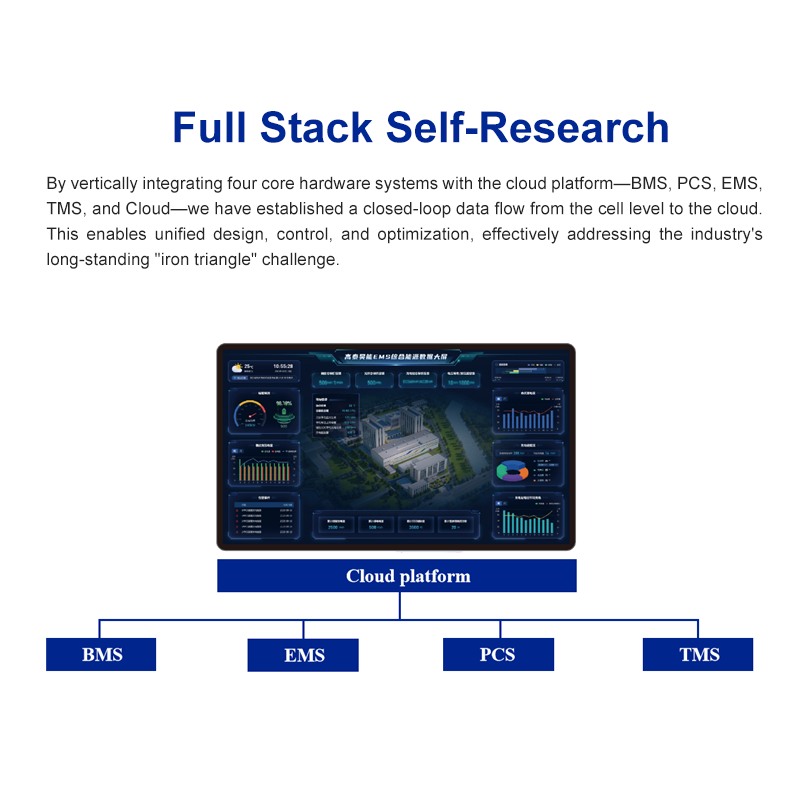
In standard industry practices, multi-vendor sourcing often forces a battery management system (BMS) from one provider to communicate with an energy management system (EMS) built by another. This division frequently introduces data latency and communication protocol mismatches. To eliminate these operational risks, Qualtech utilizes an internally developed architecture that combines the BMS, EMS, power conversion system (PCS), thermal management system (TMS), and cloud analytics into a singular control infrastructure. Because the hardware and software share an identical code foundation, data packet transfers between the physical battery cells and the high-level management software occur with minimal delay.
This unified digital architecture significantly improves state-of-charge (SOC) and state-of-health (SOH) tracking accuracy. Instead of relying on slow, translated communication registers, the EMS directly reads the native algorithm outputs of the BMS. This immediate data availability allows the system to execute rapid demand-charge management, peak-shaving maneuvers, and real-time power adjustments without encountering interface conflicts. Through these comprehensive battery energy storage system solutions, Qualtech provides fully engineered infrastructure--ranging from compact commercial and industrial (C&I) cabinet systems to utility-scale containerized layouts--ensuring that international buyers receive an optimized asset rather than a collection of unaligned parts.
Thermal Management: Full-Immersion Liquid Cooling and Cell Longevity
Thermal consistency across dense battery architectures directly dictates the economic lifespan of an energy storage project. In large-scale installations, traditional thermal management designs often utilize cold plates where coolant circulates past the batteries. These configurations can cause localized thermal gradients, accelerating the degradation of specific cells and reducing the total usable capacity of the entire pack. Qualtech mitigates this structural vulnerability by integrating its thermal management system directly with its dynamic cell-aging models.
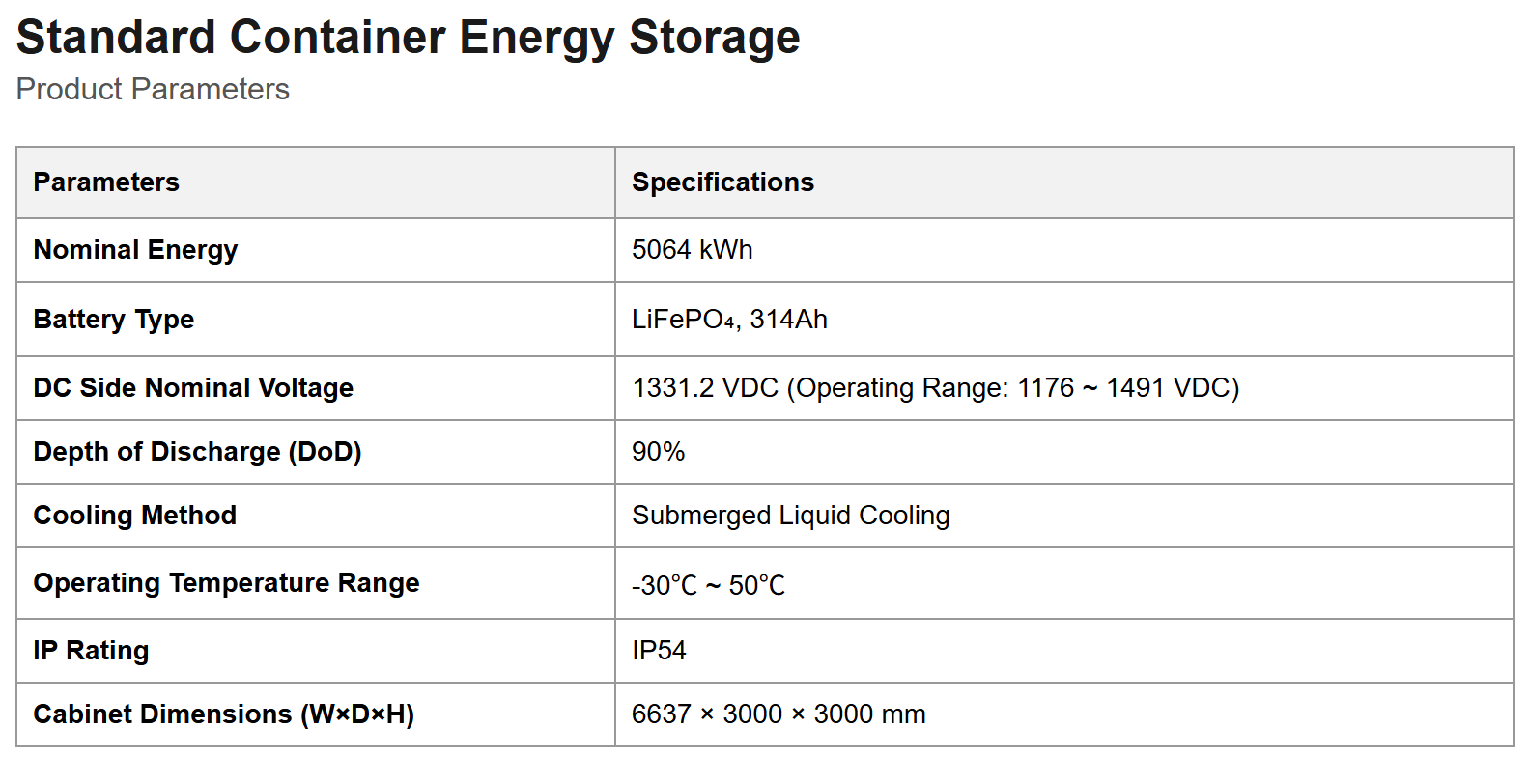
During operations, the cooling infrastructure tracks real-time thermal variations using predictive physics models. Rather than operating at a uniform, static speed, the system utilizes full-immersion liquid cooling technology. By placing the cells directly in a dielectric coolant, it eliminates the air gap between the cell and the cooling medium, allowing the internal fluid pumps and compressors to adjust their volumetric flow rates dynamically based on the actual heat generation curves of the battery modules. This precise regulation is particularly vital for high-capacity cell configurations, such as the 314Ah immersion-cooled containerized systems used in demanding industrial applications. By maintaining the temperature differential between individual cells within a narrow, uniform window, Zhejiang Qualtech Co., Ltd. effectively suppresses localized degradation paths, directly extending the operational lifecycle of the battery energy storage system solutions.
Field Lifecycle Support: Analytical Records and Remote Optimization
Managing energy storage assets in remote or overseas locations presents distinct logistical challenges, particularly when on-site technical personnel are unavailable. When an anomaly occurs in a standard installation, determining the precise root cause can require extensive manual data extraction, leading to prolonged equipment downtime. To solve this field-service problem, Qualtech equips its master control systems with dedicated data-logging capabilities that function similarly to industrial black boxes.
The system continuously records high-frequency operational telemetry, captures detailed fault snapshots, and preserves critical performance data immediately preceding any safety event. If a component operates outside its specified behavioral threshold, the historical logs allow engineering teams to reconstruct the precise state of the system remotely. Furthermore, the firmware architecture supports secure, cloud-based over-the-air (OTA) updates. This remote connectivity allows Zhejiang Qualtech Co., Ltd. to deploy updated battery chemistry models, refine control parameters, and adjust safety thresholds across active overseas installations without requiring physical maintenance visits. This capability transforms a static hardware installation into an adaptable asset capable of evolving to meet changing local grid conditions.
In Inner Mongolia, Qualtech delivered integrated system solutions for a 400 MWh liquid-cooled energy storage project. The region sees winter temperatures routinely drop below -30°C, while summer surface temperatures can exceed 50°C -- an annual temperature span of over 80°C. These extreme conditions impose multi-layered technical demands on energy storage systems: the liquid-cooling loop must remain fluid and freeze-resistant at low temperatures while maintaining heat dissipation efficiency under high heat; the BMS acquisition chips must hold sampling accuracy without drift across the full temperature range; and the system's cold-start to full-power ramp-up window must meet grid dispatch response requirements. Project delivery validated Qualtech's thermal management design under extreme temperature swings, the low-temperature adaptability of its BMS control strategy, and the overall operational stability of its systems in severe climate conditions.
Production Quality and Global Delivery Metrics
Engineering innovation is only as reliable as the manufacturing environment that produces it. Qualtech supports its technical developments with a standardized manufacturing infrastructure designed to ensure strict batch-to-batch component uniformity. Across its specialized production centers--including the advanced SMT electronics assembly lines in Hangzhou and the heavy system integration workshops in Huzhou Deqing--the company maintains tight control over every stage of assembly. The facilities feature specialized manufacturing sectors, including dedicated high-voltage box workshops, combiner cabinet production lines, and complete container assembly areas.
By managing the entire production process internally under rigorous quality protocols, the company ensures that all electronic sub-assemblies, structural enclosures, and fluid cooling loops are fully validated prior to final container containment. For international project developers, working with a comprehensive BESS battery energy storage exporter simplifies procurement by providing a single point of technical accountability. The engineering integration executed by Qualtech--combining unified software baselines, responsive thermal regulation, data-driven remote maintenance tools, and controlled assembly--demonstrates how structured system coordination delivers reliable performance for global energy infrastructure.
To review specific technical specifications, download system documentation, or discuss specific commercial project requirements, contact Qualtech's engineering team to request a product brochure or schedule a technical consultation. Visit https://www.qualtechenergy.com/ for more information.
Media Contact
ZheJiang Qualtech Co.,Ltd.
15013692485
Building 2, Electromechanical Function Zone, No. 1418-50, Moganshan Road, Yuhang District, Hangzhou
Source :ZheJiang Qualtech Co.,Ltd.
This article was originally published by IssueWire. Read the original article here.

Musk bankrolls PAC spending big on Paxton in Texas
Tech mogul Elon Musk poured $158 million into a key super PAC backing Texas Attorney General Ken Paxton's (R) Senate run as part of his push to keep Republican majorities in Congress. Musk was the single donor to Texas PAC — a political action committee backing Paxton's run — in the third quarter, according to...

Trump: Musk has 'a little problem'
President Trump took a slight jab Wednesday at tech mogul Elon Musk, who remains a close ally despite a rollercoaster relationship between the two. Trump made the swipe while going after Arizona Gov. Katie Hobbs (D) while speaking at a rally in the state, calling the Democrat “horrible.” “First of all, she’s a dumb person....

Should you upgrade to the iPhone 18 Pro Max?
After unboxing our early access to the iPhone 18 Pro Max, we were able to make some conclusions. Are you looking for a better camera? If your answer is yes then know that Apple has completely re-engineered the main camera of the iPhone 18 Pro and Pro Max with a variable aperture. If you zoom

Guess which telco recorded zero dropped calls?
MANILA, Philippines – Mobile services provider Smart Communications, Inc. recorded zero dropped calls in the latest real-world quality-of-service tests conducted by the National Telecommunications Commission (NTC) in Metro Manila, highlighting the reliability of its voice services. The NTC’s drive tests showed that Smart posted an average call drop ratio of zero percent, meeting the regulator’s

Trump's top crypto adviser departs administration
President Trump’s top cryptocurrency adviser is leaving the administration. Patrick Witt, who served as executive director of the president’s council of advisers for digital assets, called his time in the administration “the privilege of a lifetime” late Wednesday and hinted at a move to the private sector. “I’m grateful to have done my part to...

Anthropic's PAC spent more than $250K in third quarter, splitting between parties
Anthropic's corporate political action committee poured $161,000 into campaigns across the aisle last month, bringing their total third-quarter spending to more than $250,000, according to spending records first shared with The Hill. The employee-funded PAC, AnthroPAC, spent more than $255,000 across the third quarter, marking the artificial intelligence firm's latest push for political clout in...

FTC subpoenas OpenAI, Anthropic in safety incidents probe
The Federal Trade Commission (FTC) sent subpoenas to OpenAI and Anthropic as part of a federal probe into the potential risks their AI models pose to consumers. An agency spokesperson confirmed to The Hill that the agency has sent the companies civil subpoenas. The investigation comes on the heels of a series of high-profile cybersecurity...
![[INTERVIEW] Alaska Airlines eyes Asia expansion as Korea route gains traction](https://newsimg.koreatimes.co.kr/2026/10/14/1b66a517-eb02-4c29-bf2d-35294973fdfe.jpeg)
[INTERVIEW] Alaska Airlines eyes Asia expansion as Korea route gains traction
SEATTLE — Alaska Airlines is looking to expand its presence in Asia as its Incheon-Seattle route gains traction, with Korea emerging as a key market in the U.S. carrier’s expanding international network. The airline recorded load factors of 82 percent in June, 84 percent in July and 79 percent in August on the route, marking a strong start in its first full year of operations. The figures exceeded expectations for a new route, which typically takes about three years to mature as the airline adjusts schedules and connections to meet passenger demand. "Those are really good, strong load factors for the first year of a new route," Shane Tackett, president and chief financial officer of Alaska Airlines, said in an interview with The Korea Times on Sept. 29. He added that one month ranked among Alaska's best-performing international routes financially before fuel prices increased significantly. The airline sees further opportunities to attract passengers from Korea, where its brand remains relatively unfamiliar. Tackett said Alaska Airlines aims to raise awareness of its services and enco

Hyundai Motor's tech bets face headwinds as core business loses steam
Hyundai Motor’s weakening auto profitability is raising questions about the sustainability of its costly investments in robotics and autonomous driving, as the technologies remain years away from generating significant earnings. The company is betting on Boston Dynamics’ Atlas humanoid robot, its own software-defined vehicle (SDV) and autonomous driving capabilities as three core pillars for its future mobility. Yet those businesses are far from generating tangible earnings, leaving Hyundai increasingly dependent on its conventional auto business which faces mounting earnings pressure from labor disputes at home, tariffs from the United States and intensifying competition from Chinese automakers in Europe. The timing gap between its weakening core business and future growth engines is becoming harder for investors to overlook. Hyundai’s shares have fallen around 60 percent from their June 1 peak of 783,000 won ($587) to less than 320,000 won on Monday, reflecting fading enthusiasm for its robotics ambitions and growing doubts over its earnings outlook. The pressure continues to be

How Mediheal is evolving beyond sheet masks
Best known for turning sheet masks into a beauty routine staple, L&P Cosmetic’s Mediheal is building its next stage of growth around a broader portfolio of skin care solutions, ranging from toners to serums, cleansers, creams and sun care products. The expansion reflects Mediheal’s evolution from a mask-focused label into a comprehensive skin care brand designed to address consumers’ needs across every step of their daily routines. Drawing on the recognition it has built through sheet masks, the brand is extending its ingredient expertise and research capabilities into products that can be used before, after and alongside masks. That strategy was on display in Japan in August when Mediheal introduced its new Derma Skin Care Series, featuring toners, serums and serum masks. The series used three ingredients closely associated with the brand: tea tree, madecassoside and polydeoxyribonucleotide, better known as PDRN, an ingredient now gaining attention in the skin care market. The series' launch marked another major transformation for the brand since its entry into Japan with its mas

Korean microsatellite constellation captures first images within a day of launch
A constellation of five Korean microsatellites successfully captured and transmitted its first images to a ground station within a day of launch aboard the country's homegrown Nuri space rocket last week, the space agency said Thursday. The five New-space Earth Observation Satellite Constellation for National Safety (NEONSAT) microsatellites transmitted their first images just 14 hours and 29 minutes after liftoff from the Naro Space Center in the southwestern coastal town of Goheung on Oct. 7, according to the Korea AeroSpace Administration (KASA). The early acquisition of imagery confirmed the normal operation of the satellites and their optical payloads, marking a milestone in Korea's efforts to establish its first domestically developed microsatellite constellation. The satellites are maintaining stable communications with ground stations, with their power generation and attitude control systems operating normally, KASA said. Following additional payload checks, KASA and the Korea Advanced Institute of Science and Technology (KAIST) will begin initial operations. The five satellites

POSCO, Hanwha Ocean team up on high-manganese steel LNG cargo tanks
Korean steelmaker POSCO and shipbuilder Hanwha Ocean are teaming up to build a demonstration liquified natural gas (LNG) carrier equipped with high-manganese steel cargo tanks, aiming to strengthen Korea’s technological competitiveness in a market long dominated by foreign technology. LNG fuel tanks store the fuel used to power LNG-fueled vessels, while cargo tanks on LNG carriers are large storage systems that hold the LNG itself for transportation overseas. According to POSCO, the two companies signed a memorandum of understanding (MOU) at the shipbuilder’s Geoje shipyard to develop the demonstration vessel. The signing ceremony was attended by senior executives from both sides, including POSCO President Lee Hee-geun and Hanwha Ocean CEO Kim Hee-cheul. The partnership comes amid expectations of rising LNG demand as countries seek lower-carbon energy sources, fueling demand for LNG carriers. Korean shipbuilders, however, remain dependent on foreign technology for cargo tanks, a key component of the vessels. Under the MOU, the companies will develop cargo tanks using POSCO’s high-m




YOUR NEWS, OUR NETWORK.
Do you have Great News you want to tell the world?
Be it updates about your business or your community, you can make sure that it’s heard by submitting your story to our network reaching hundreds of news sites across 6 verticals.