
Industrial Efficiency Compared: Upgrading to a Best Cold Room Refrigeration Unit Supplier like EXTRCOOL
Sep 17, 2026

Foshan, Guangdong Sep 16, 2026 (Issuewire.com) - How can cold storage facility operators balance continuous thermal loads with rising electricity expenses without overhauling their entire footprint or risking product spoilage from unexpected temperature fluctuations? In modern temperature-controlled warehousing, maintaining stable storage environments while keeping operating expenses low remains a central operational challenge. Selecting the best cold room refrigeration unit supplier often determines whether a cold facility runs at optimal efficiency or struggles with high power consumption. Extrcool is a leading professional comprehensive provider and designer of liquid cooling solutions for AI data centers and commercial refrigeration for cold storage rooms. As a high-tech innovative enterprise, EXTRCOOL manufactures advanced thermal control devices, including AI-driven full inverter split refrigeration systems and precision evaporators. By integrating variable-frequency control with intelligent algorithms, EXTRCOOL helps commercial catering, food logistics, and industrial cold storage operators transition away from inefficient thermal systems.
Baseline Industrial Efficiency in Legacy Cold Storage
Traditional cold storage facilities rely heavily on fixed-speed compressor systems. These legacy units operate on an on-off control cycle, running at maximum capacity until reaching a set point and turning off entirely when temperatures drop. This simple operational model introduces several critical performance drawbacks that accumulate substantial financial losses over time. First, fixed-speed compressors generate repeated inrush current spikes every time they restart. These high-amp electrical surges place severe thermal strain on internal switchgear and motor windings while simultaneously driving up peak demand charges on monthly utility bills.
Second, the basic on-off mechanism typically results in wide temperature fluctuations inside the refrigerated space, often exceeding ±2°C. These continuous thermal shifts create unstable microclimates inside cold rooms, accelerating moisture loss and dehydration in fresh produce while increasing the rate of frost accumulation on evaporator coils. Third, legacy fixed-speed units experience a sharp drop in coefficient of performance when operating under partial thermal loads. Because cold storage heat loads change constantly between daytime inventory loading and nighttime ambient cooling, fixed-capacity units spend much of their working life operating far below their baseline efficiency rating, ultimately increasing long-term power consumption.
Compressor and Capacity Regulation Mechanisms
Upgrading from legacy fixed-speed equipment to modern split inverter architectures introduces a fundamental change in how refrigeration systems handle dynamic thermal loads. Fixed-speed systems respond to internal temperature variations with abrupt mechanical starts and stops that wear out moving components. In contrast, working with a qualified cold room refrigeration unit supplier like EXTRCOOL allows facility operators to deploy AI-driven full inverter split refrigeration systems that utilize step-free capacity regulation to match cooling output directly with real-time room conditions.
The inverter compressor adjusts its rotational speed continuously across a wide frequency spectrum. During peak loading periods, such as when warm ambient inventory enters the holding room, the compressor ramps up smoothly to pull down air temperatures without spiking power draw. Once the storage room reaches its precise target set point, the unit scales down to a lower operational frequency, supplying just enough cooling capacity to offset ambient heat gain through wall insulation. By avoiding continuous stop-and-start cycles, the variable-frequency cold room refrigeration unit eliminates heavy current surges, reduces mechanical friction, and maintains an optimized coefficient of performance across partial load conditions. This regulatory flexibility makes variable-speed architecture particularly effective for facilities facing steady ambient shifts between day and night.
Temperature Precision and Control Strategies
Maintaining tight temperature margins is essential in commercial cold chain management, particularly for sensitive food logistics, meat processing plants, and pharmaceutical storage rooms. Traditional mechanical thermostats rely on fixed hysteresis thresholds, causing the internal storage room environment to continuously swing above and below the target temperature. These wide temperature swings increase energy waste through unnecessary sub-cooling followed by ambient re-warming, while compromising the storage shelf life of perishable goods.
A specialized cold room refrigeration unit supplier addresses this technical limitation by incorporating intelligent digital controls directly into the refrigeration system. The split-type inverter unit engineered by Extrcool Industry Limited maintains accurate temperature stability within ±0.5°C across a broad operating range of '20°C to 40°C. Powered by AI-driven variable-frequency regulation, the control software continuously analyzes multi-point sensor data to anticipate thermal load shifts rather than reacting after ambient temperatures drift. This proactive control approach minimizes temperature overshoot, limits frost buildup on evaporator fins, reduces automatic defrost frequency, and preserves strict environmental stability for high-value temperature-sensitive inventory.
Operations and Lifecycle Cost Analysis
Evaluating commercial cold storage equipment requires looking beyond the initial purchase price to examine the total cost of ownership over years of continuous operation. Legacy fixed-speed systems carry higher ongoing costs due to excessive electrical demands and frequent mechanical wear. Repeated high-current starts subject contactors, relays, electrical buses, and compressor components to severe stress, leading to more frequent component replacements, refrigerant leaks, and unscheduled maintenance downtime.
Upgrading to an advanced system from an established cold room refrigeration unit supplier helps facility management control expenditures in two primary areas: daily power usage and routine maintenance. Smooth inverter soft-starts prevent incoming electrical current spikes, protecting facility wiring and reducing peak demand billing from utility providers. At the same time, intelligent diagnostic routines within the system track operational metrics continuously, flagging potential performance drops before component failures occur. Over a multi-year equipment lifecycle, the combination of lower utility bills and reduced routine maintenance helps facility operators achieve a noticeably lower overall operating cost.
Conclusion and Strategic Next Steps
Moving from legacy fixed-speed refrigeration to an AI-driven variable-frequency setup offers a clear path toward better temperature stability and lower operational costs. By replacing basic on-off controls with dynamic capacity modulation, Extrcool Industry Limited provides cold storage operators with precise temperature control within ±0.5°C and consistent energy savings across varying heat loads. Whether managing food logistics hubs, commercial catering units, or industrial freezers, upgrading to a specialized cold room refrigeration unit can deliver long-term operational advantages.
Cold chain managers and facility operators seeking customized thermal evaluations or energy calculations can explore complete product specifications at https://www.extrcool.com/
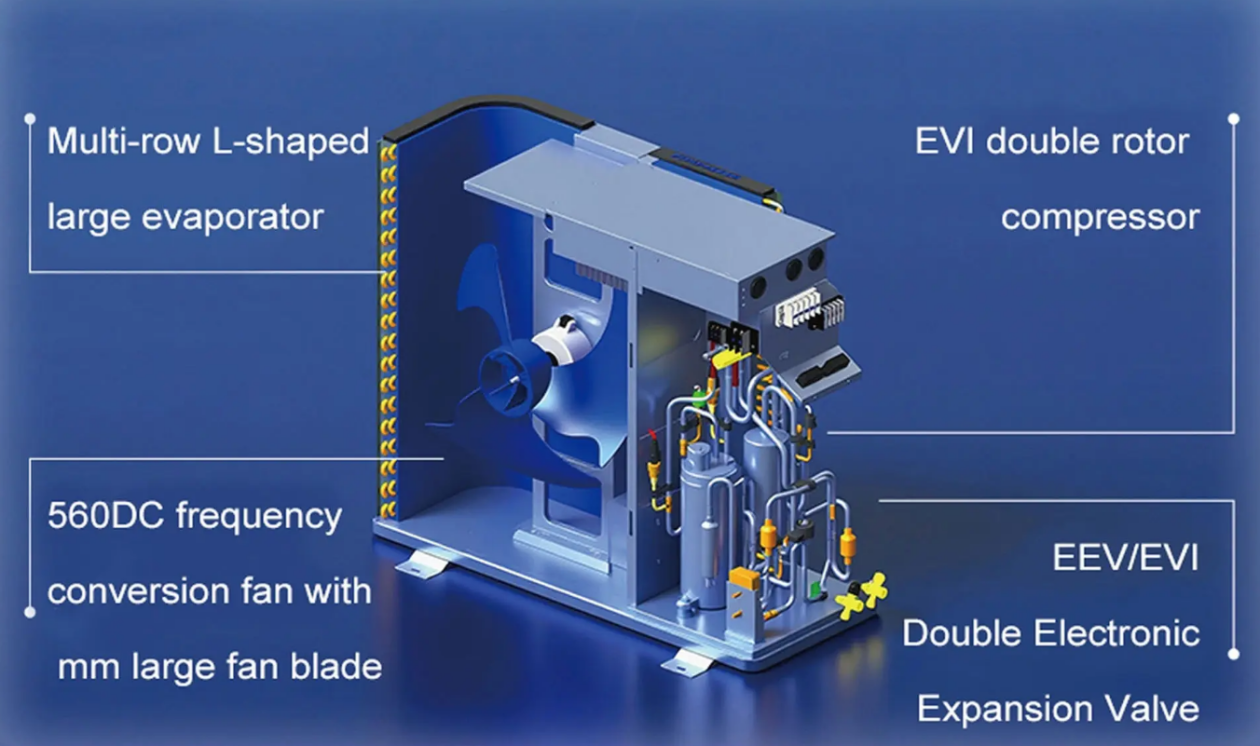
Source :Extrcool Industry Limited
This article was originally published by IssueWire. Read the original article here.

FTC's costly crackdown on conglomerates generates little return
The Fair Trade Commission’s (FTC) increasingly aggressive crackdown on major conglomerates is generating a costly cycle with little tangible return, as the watchdog has been forced to refund billions of won in fines overturned by courts. The watchdog has returned nearly 290 billion won ($216.7 million) to companies since 2022 after administrative court rulings overturned its sanctions. The figures raise questions about whether the regulator’s tougher enforcement produces lasting results or simply creates more legal and financial burdens for both businesses and taxpayers. The latest figures offer little reassurance. For the first nine months combined this year, the FTC returned 23 billion won in fines and associated payments, with 99.7 percent of the amount attributable to sanctions overturned in whole or in part through administrative litigation, according to data submitted to Rep. Choi Eun-seok of the main opposition People Power Party. But the regulator is moving in the opposite direction. Since President Lee Jae Myung took office last year, the government has pushed to strengthen

The AI promise was automation. The reality? Managing digital workers
When artificial intelligence agents first arrived, they came with a tantalising promise: autonomous “digital workers” that would finally free humans from corporate drudgery. As businesses across Asia are discovering, however, the reality is quite the opposite – more work, new friction and a whole new layer of management. When Xiao Mengjie, an AI product marketing manager at a Big Tech firm in Shanghai, recently assigned two AI agents what she described as a simple task, she expected efficiency....
[Reporter's Notebook] FTC's costly crackdown on conglomerates generates little return
The Fair Trade Commission’s (FTC) increasingly aggressive crackdown on major conglomerates is generating a costly cycle with little tangible return, as the watchdog has been forced to refund billions of won in fines overturned by courts. The watchdog has returned nearly 290 billion won ($216.7 million) to companies since 2022 after administrative court rulings overturned its sanctions. The figures raise questions about whether the regulator’s tougher enforcement produces lasting results or simply creates more legal and financial burdens for both businesses and taxpayers. The latest figures offer little reassurance. For the first nine months combined this year, the FTC returned 23 billion won in fines and associated payments, with 99.7 percent of the amount attributable to sanctions overturned in whole or in part through administrative litigation, according to data submitted to Rep. Choi Eun-seok of the main opposition People Power Party. But the regulator is moving in the opposite direction. Since President Lee Jae Myung took office last year, the government has pushed to strengthen

Street Fighter: a fighting game movie that fans must see
MANILA, Philippines – For nearly four decades since it started out as a small arcade game and eventually turned into the fighting game franchise powerhouse it is today, Capcom’s Street Fighter series is as universally recognizable as every iconic property and brand known in popular culture. The series has undergone several evolutionary leaps since it

Apple’s new HomePod mini 2 speakers feature Sound Glow and will eventually support Siri AI
It’s been six years since the first HomePod mini, so now we are getting a much-needed update to keep it fresh.

Meta wants to put more AI technology on our faces
At Meta Connect 2026, Meta unveiled its latest AI glasses, shared how they’re bringing the Muse personal AI agent to glasses, and introduced the all-new Meta VR Glasses.

Casetify gives Hello Kitty a very Y2K makeover with its latest collection
Leopard prints, hot pink and sticker-covered cases bring early-2000s visuals to iPhones and other accessories.
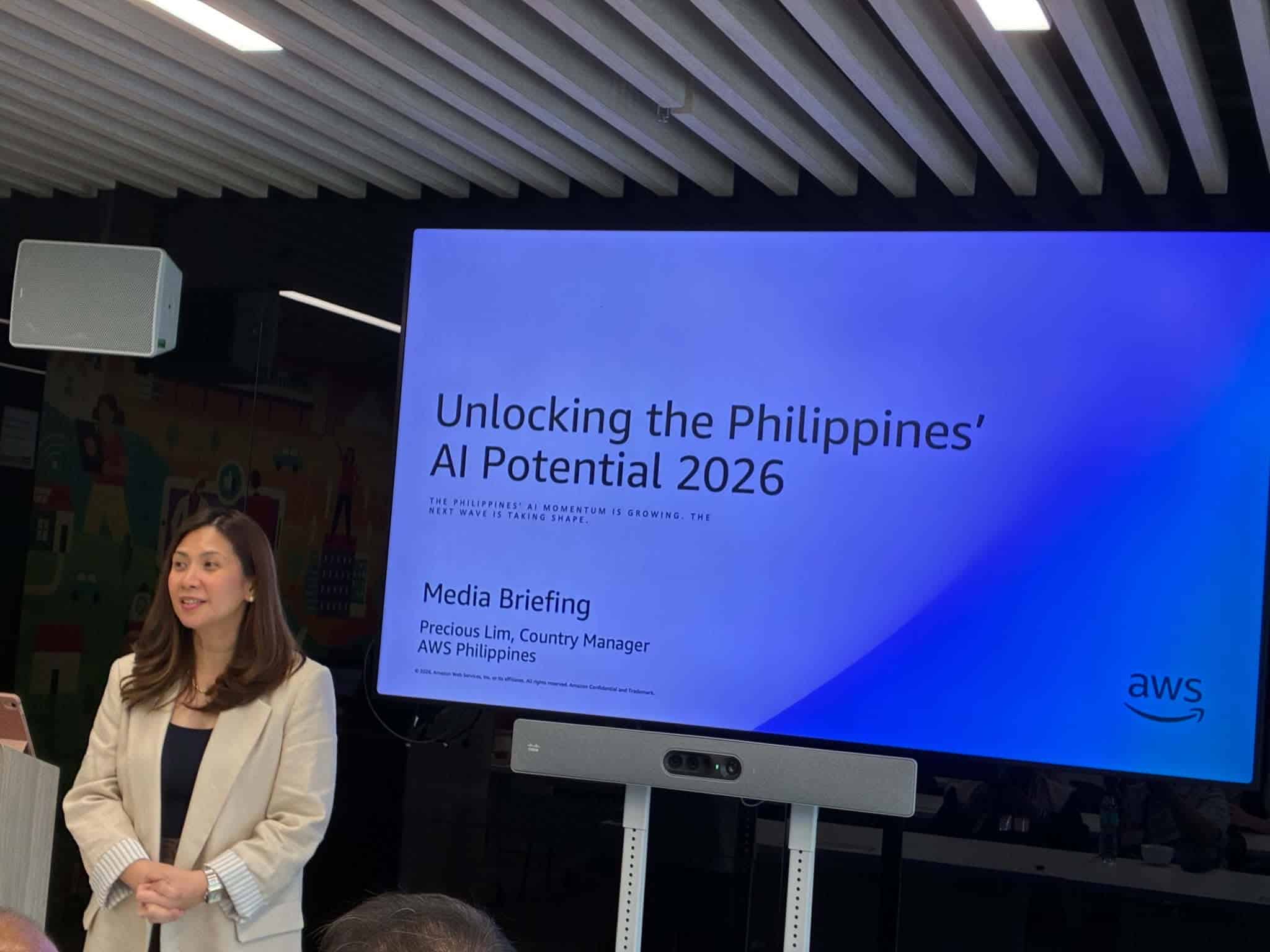
Only 17% of Philippine businesses have a roadmap to scale AI
Only 17% of businesses in the Philippines have a roadmap for scaling artificial intelligence (AI), highlighting a gap between growing adoption of the technology and companies’ ability to integrate it more deeply into their operations. The finding comes from Unlocking the Philippines’ AI Potential 2026, a report commissioned by Amazon Web Services (AWS) and conducted

Securing equipment emerges as new variable for Korea's chip expansion plans
Securing equipment for manufacturing advanced memory chips is emerging as a new variable in Korea's plans to expand semiconductor production capacity through large-scale industrial clusters, after ASML, the dominant supplier of advanced chipmaking equipment, warned that its current production plans may not be sufficient to meet demand in 2027 and 2028. During its earnings call Wednesday, ASML CEO Christophe Fouquet said the company's plans to increase its production capacity for advanced chipmaking equipment by 30 percent in 2027 and another 30 percent in 2028 would likely not be enough to meet customer demand. “Last quarter, we talked about 30 percent more capacity next year, and also the aspiration to have another 30 percent increase in 2028,” Fouquet said. “But to be honest, it's becoming very clear that 30 percent in 2027, 30 percent in 2028 will not allow us to meet our customer demand.” According to the company, the planned capacity increases cover both low-numerical-aperture extreme ultraviolet (low-NA EUV) lithography equipment and deep ultraviolet (DUV) immersion system

Musinsa teams up with Japan's ZOZOTOWN for 1st Korean pop-up
Fashion platform Musinsa has teamed up with ZOZOTOWN, one of Japan's leading online fashion retailers, to open a pop-up store in Seongsu-dong, Seoul, a popular destination for young consumers. Musinsa opened the doors to ZOZOTOWN in Musinsa, the Japanese platform’s first official pop-up store in Korea, to the media on Friday. The pop-up will run through Oct. 31, while an accompanying online promotion will continue until Nov. 16. Launched in 2004, ZOZOTOWN features more than 11,000 brands and serving over 13 million customers annually. Fifteen Japanese fashion brands available on the platform, including Snidel and Grancy, are participating in the event. The pop-up’s concept, ZOZO is Coming to Town, draws inspiration from Korean streets. Crosswalks, road markings and oversized three-dimensional typography have been incorporated into the space to create the impression of an intersection where Korean and Japanese fashion meet. The pop-up follows the signing of a memorandum of understanding between the two platforms in December 2024 to establish a strategic partnership. In November last y

China’s proposed AI tech export bans may create short-term costs, long-term gains: analysts
China’s proposed export bans and controls of artificial intelligence technologies aim to tighten Beijing’s grip in the strategically vital sector, casting a cloud over the commercial prospects of domestic model developers in the global AI race, analysts say. The new measures come as concerns mount globally over the risks of advanced AI systems, following a string of recent cyberattacks, while also underscoring AI’s growing national security importance for both Beijing and Washington. Zhang Yi,...
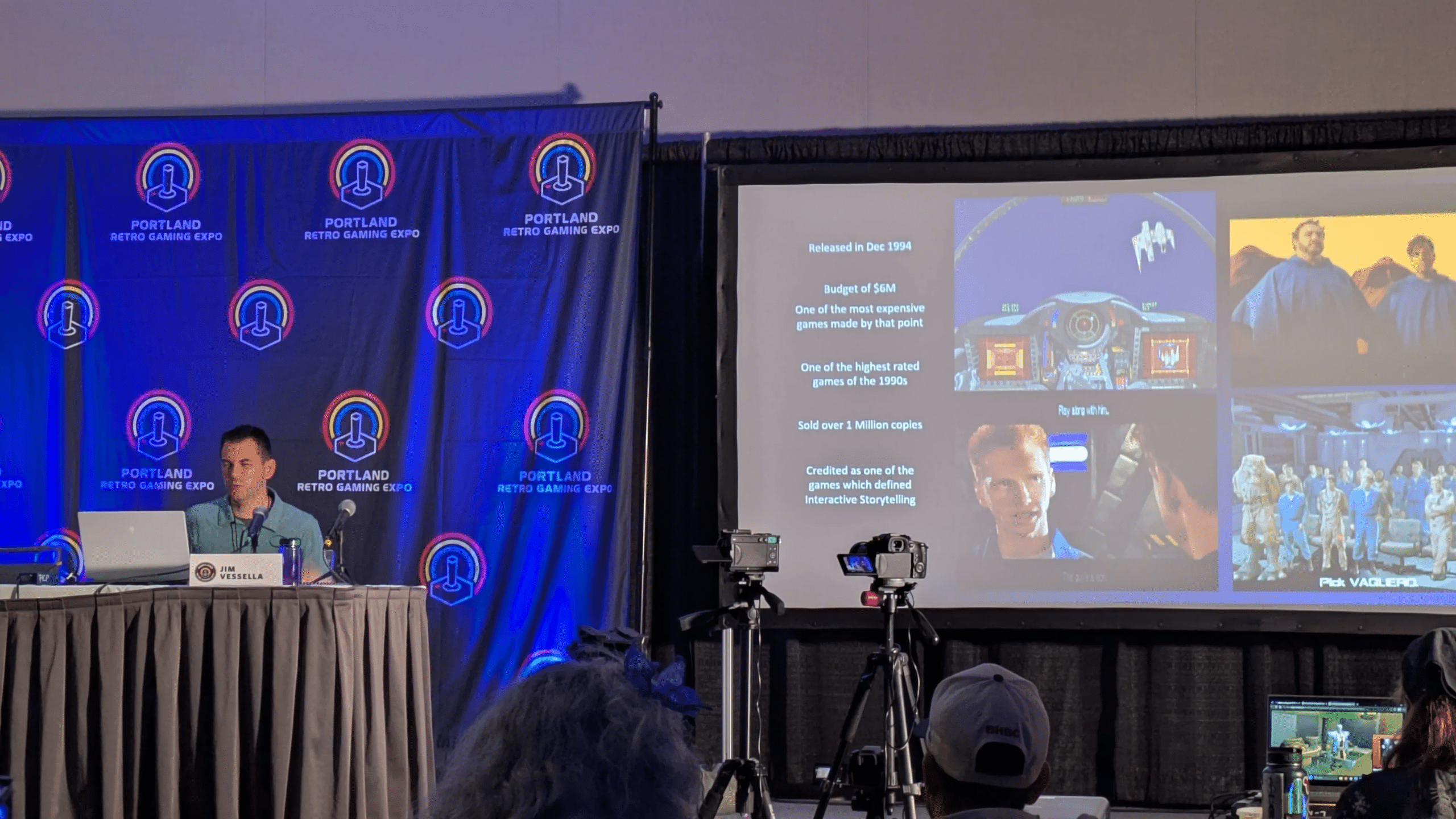
EA producer confirms the return of Wing Commander
MANILA, Philippines – A panel at the Portland Retro Gaming Expo on game preservation revealed that the master tapes containing high quality source video for Wing Commander III were located. The contents of these tapes will now undergo restoration and preparation is at work for a new release of the game, tentatively called Wing Commander






YOUR NEWS, OUR NETWORK.
Do you have Great News you want to tell the world?
Be it updates about your business or your community, you can make sure that it’s heard by submitting your story to our network reaching hundreds of news sites across 6 verticals.