
How to Select the Right Distribution Transformer for Your Industrial Facility -- Insights From XIAOWEI
Sep 22, 2026
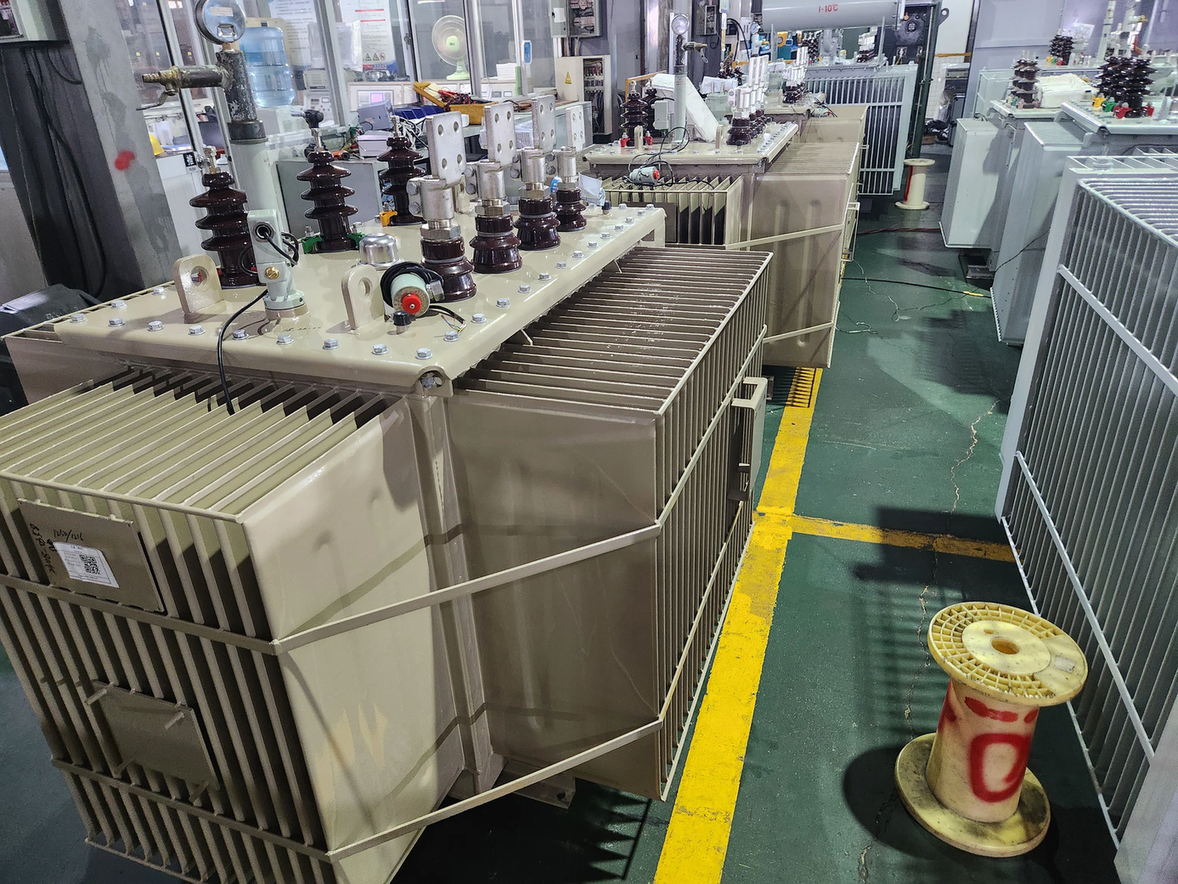
Nantong, Jiangsu Sep 22, 2026 (Issuewire.com) - Industrial manufacturing plants, chemical processing facilities, automated assembly lines, and mining complexes depend on uninterruptible power distribution to maintain continuous 24/7 production schedules without costly line shutdowns. Specifying high-performance industrial distribution step-down transformers manufactured by Jiangsu Xiaowei Electric Co., Ltd. (XIAOWEI) ensures stable voltage regulation, high short-circuit withstand, and reliable thermal cooling under severe industrial electrical operating conditions.
Selecting the correct industrial transformer requires evaluating plant electrical parameters across load capacity, harmonic distortion, cooling mechanics, and environmental protection. Engineering expertise at XIAOWEI provides industrial B2B procurement managers and facility plant engineers with four primary selection criteria:
KVA Load Sizing and Thermal Overload Margin: Calculating total plant kVA demand, motor-starting current surges, and future expansion capacity up to 5000kVA.
Harmonic Distortion Mitigation and K-Factor Rating: Mitigating VFD and rectifier harmonic heating using K-4, K-13, or K-20 rated transformers with double-sized neutral conductors.
Cooling System Technology: Dry-Type SCB vs Oil-Immersed S-Series: Choosing cast resin dry-type transformers for indoor factory floors versus liquid-immersed units with FR3 fluid for outdoor substations.
Enclosure Protection and Digital Condition Monitoring: Specifying IP55 or NEMA 4X cabinets, C4 or C5-M anti-corrosion coatings, and RS485 digital temperature controllers.
Accurate kVA Sizing and Motor-Starting Overload Margin
Sizing an industrial distribution transformer requires performing a detailed electrical load analysis that accounts for continuous plant operating kVA demand, cyclic peak loads, and high motor-starting inrush currents. Industrial induction motors draw five to seven times their full-load rated current during direct-on-line (DOL) startup, creating sudden voltage dips across factory busbars if transformer capacity is undersized. Selecting a transformer with adequate thermal mass, low internal impedance, and dynamic short-circuit withstand capability prevents voltage sag, protects sensitive automated electronics, and preserves motor starting torque across heavy industrial production lines.
XIAOWEI manufactures three-phase industrial step-down transformers in standardized ratings from 50kVA up to 5000kVA, supporting primary distribution voltages up to 35kV, including 34.5kV, 22.9kV, 13.8kV, 12.47kV, and 10kV inputs. Engineering guidelines recommend sizing industrial transformers to operate between 60% and 80% of rated capacity under normal production, preserving a 20% to 40% thermal margin for future factory automation expansion and heavy motor startup surges.
Managing Non-Linear Harmonic Loads with K-Factor Transformers
Modern industrial production facilities operate extensive non-linear electrical loads, including variable frequency drives (VFDs), automated robotic cells, DC arc welders, uninterruptible power supplies (UPS), computer servers, and LED facility lighting arrays. Non-linear loads draw non-sinusoidal harmonic currents that induce severe stray load losses, high-frequency eddy current heating in copper windings, and neutral conductor overheating in standard distribution transformers, causing early insulation degradation and thermal failure.
XIAOWEI custom-engineers K-factor rated industrial transformers (K-4, K-13, K-20) designed specifically to handle harmonic distortion without thermal derating or premature insulation failure. These units feature double-sized neutral busbars to prevent neutral conductor overheating, electrostatic copper shielding between primary and secondary windings to filter high-frequency electromagnetic noise, and specialized strip-wound copper conductors. This reinforced electromagnetic geometry ensures reliable continuous power delivery to sensitive industrial control systems and automated factory equipment.
Selecting Insulation Technology: Cast Resin Dry-Type vs Liquid-Immersed
Choosing between dry-type cast resin and liquid-immersed transformer technology depends on indoor building fire safety codes, plant floor spatial constraints, environmental protection regulations, and outdoor weather exposure. For indoor factory floors, cleanroom production areas, automotive assembly plants, and mezzanine sub-stations, XIAOWEI SCB series epoxy resin cast dry-type transformers eliminate liquid oil containment requirements entirely. Featuring Class F (155°C) or Class H (180°C) non-flammable epoxy insulation, SCB dry-type units achieve F1 self-extinguishing fire performance under IEC 60076-11 standards, operating safely adjacent to manufacturing machinery.
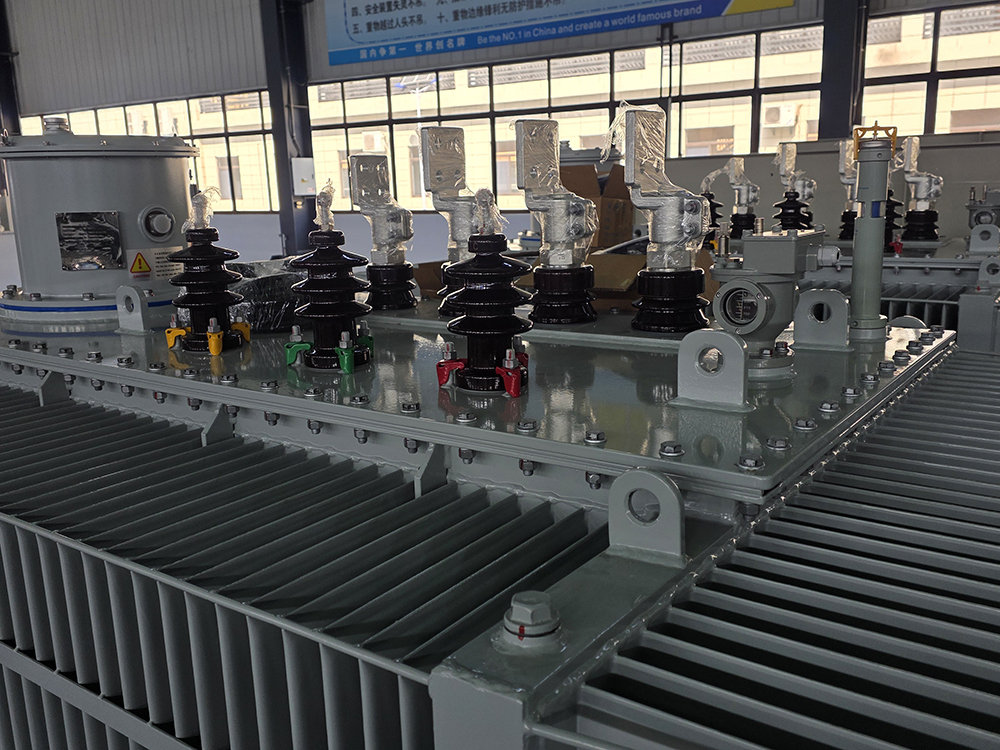
For outdoor facility substations or heavy industrial power distribution, XIAOWEI S11, S13, and S22 series liquid-immersed transformers provide superior cooling efficiency, high thermal overload capability, and long service life. Units filled with biodegradable FR3 natural ester vegetable oil offer a fire point exceeding 300°C, providing self-extinguishing safety while lowering total life-cycle electricity costs through a peak operational efficiency of 99.16%. Backed by precision 45-degree step-lap core stacking and high-grade insulated copper windings, these liquid-immersed units maintain a proven track record of zero fault rates for over 10 years across demanding international installations.
Environmental Enclosure Protection and Smart Condition Monitoring
Industrial plant environments subject electrical power equipment to severe atmospheric contaminants, including airborne chemical vapors, conductive metal dust, oil mist, conductive moisture, corrosive gases, and high ambient humidity. XIAOWEI constructs custom industrial transformer enclosures using heavy-gauge cold-rolled steel or 304/316L stainless steel sealed to IP20, IP23, IP54, or IP55 ingress protection ratings, alongside NEMA 3R and NEMA 4X industrial specifications to protect internal core and coil assemblies. For oil-immersed models, fully sealed corrugated tank structures expand and contract dynamically with oil temperature changes, isolating dielectric fluid from the atmosphere to prevent oxidation and moisture ingress.
Enclosure steel undergoes automated shot blasting, phosphating pretreatments, and multi-layer electrostatic powder coating complying with ISO 12944 C4 or C5-M marine-grade anti-corrosion standards for long-term outdoor installation. Additionally, transformers are equipped with RS485 digital temperature controllers, embedded PT100 thermal sensors across all three phase windings, and optional cooling fan controls for automated temperature management. Real-time temperature telemetry integrates with factory SCADA systems and building management systems (BMS), enabling predictive maintenance alerting before thermal anomalies disrupt factory production schedules.
Industrial Manufacturing Advantage of Factory-Direct Partnerships
Partnering directly with a specialized transformer factory equipped with dedicated industrial R&D engineering teams helps factory procurement managers and EPC contractors receive 100% copper windings, certified silicon steel metallurgy, custom dimensional footprints, and complete factory test documentation, accelerating project approval compared to purchasing uncertified transformers through trading intermediaries where thin steel, skipped phosphating steps, and unverified winding materials introduce cabinet rust, coil cracking, and early transformer failure hazards.
XIAOWEI's direct factory engineering team provides industrial buyers with transparent technical drawing reviews, 3D CAD modeling, custom terminal arrangement design, specialized K-factor harmonic mitigation, custom protective relaying, seismic calculations, and dependable global delivery schedules. Every unit undergoes rigorous factory routine testing--including turns ratio, winding resistance, dielectric withstand, and high-pressure gasket leak tests--conducted in accredited testing facilities to ensure flawless site commissioning and immediate grid compatibility (50Hz/60Hz).
Conclusion
Selecting the right distribution transformer for an industrial facility requires evaluating plant kVA sizing, non-linear harmonic loads, dry-type versus liquid insulation technology, and environmental enclosure protection. By manufacturing both high-efficiency SCB series cast resin dry-type transformers and high-capacity S series liquid-immersed transformers backed by 20 years of specialized transformer manufacturing expertise, ISO quality management, and international certifications, XIAOWEI supports reliable industrial power distribution worldwide. Each product is engineered for maximum uptime, high dielectric strength, and thermal endurance, which helps plant managers avoid costly unscheduled downtime and prolong overall electrical equipment service life.
To request industrial step-down transformer CAD dimensional drawings, electrical schematics, factory test certificates, or volume price quotations, visit the official company portal: https://www.xiaoweipower.com. For direct technical consultations, K-factor calculation assistance, short-circuit withstand calculation data, and plant layout guidance, contact the technical sales department. Our application engineers provide expert technical support for all stages of facility power planning, from initial load calculation to final site commissioning and maintenance.
Media Contact
Jiangsu Xiaowei Electric Co., Ltd.
18662233449
173 Hualian Road, Hai'an, Nantong, Jiangsu, China
Source :Jiangsu Xiaowei Electric Co., Ltd.
This article was originally published by IssueWire. Read the original article here.

Ubisoft Singapore lays off 70 staff as studio downsizes
The cuts affect around one-fifth of the studio’s local workforce, with Ubisoft saying its Singapore operation remains an important part of its global production organisation.
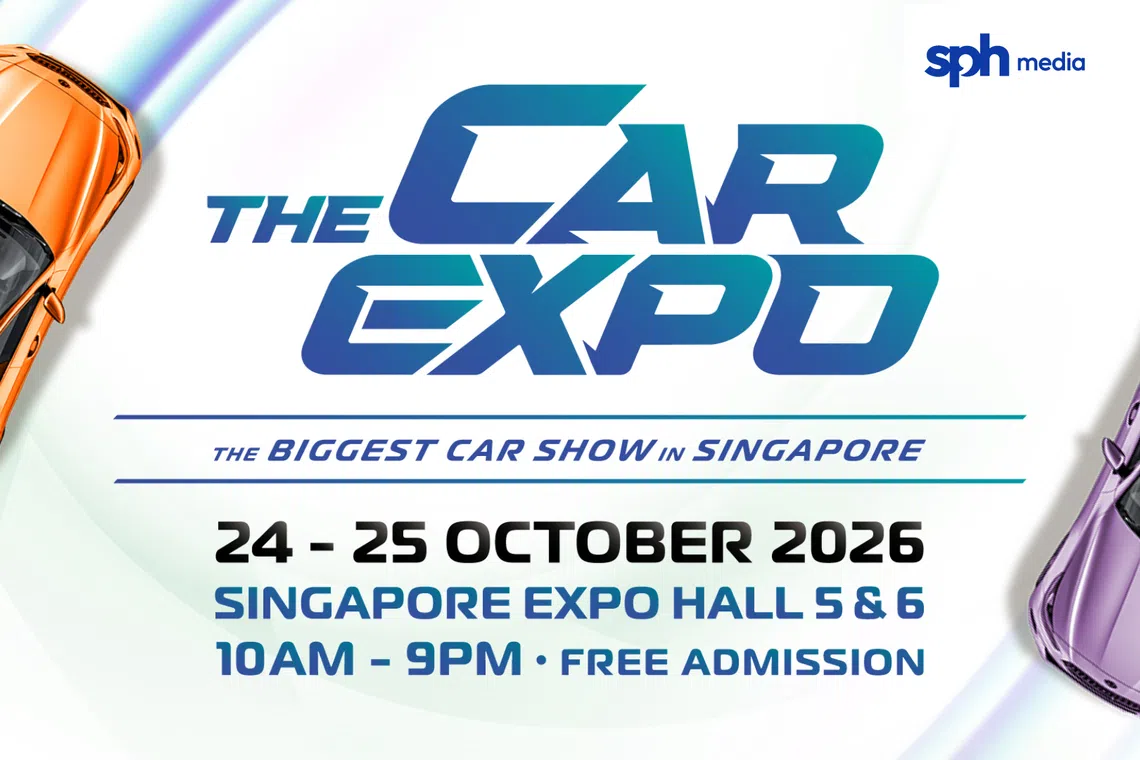
The Car Expo and Lifestyle Edit are set to offer a high-octane and comprehensive lifestyle shopping destination at Singapore Expo this month
The upsized Car Expo returns to Singapore Expo with more than 50 car brands, now with a tech and home lifestyle extension, plus great deals and prizes to take home!

Huawei MatePad Air hands-on: Great battery life and display in a slim, lightweight package
The Huawei MatePad Air has a generous 12-inch display, but it’s only 5.3mm thin.

SK hynix showcases next-generation AI memory technologies beyond HBM
SK hynix said Friday that it has showcased its next-generation artificial intelligence (AI) memory technologies aimed at expanding the boundaries of AI infrastructure beyond conventional high-bandwidth memory (HBM). The company presented the technologies at the OCP Global Summit 2026, held in California from Tuesday to Thursday (local time). The summit is an annual conference organized by the Open Compute Project Foundation that brings together engineers and industry leaders. The Korean chip giant said it divided its exhibition space into two sections. The front section, dubbed the memory section, showcased the company's flagship products, while the larger rear section, called the system demo section, featured memory solutions designed to support next-generation server ecosystems. Kim Ho-sik, a senior vice president at SK hynix, introduced MARS (Memory-Centric AI Rack-Scale System), a disaggregated rack-scale architecture designed to coordinate computing and memory resources seamlessly. Kim highlighted progress in High Bandwidth Flash (HBF), a technology aimed at addressing the industry's

Ecosystem Roundup: Singapore’s always-on workers are performing to an empty room
Singapore’s office workers answer a 10.47pm message within 90 seconds to prove their commitment. Their bosses barely notice. The Jobstreet by SEEK Singapore Workplace Culture Study 2026, which surveyed 600 employees and jobseekers and 200 hiring decision makers, finds that 63% of staff signal dedication by replying fast, a behaviour only 39% of employers value. […] The post Ecosystem Roundup: Singapore’s always-on workers are performing to an empty room appeared first on e27.

The US$82,000 Illusion: Why Bitcoin still trades like a traditional tech stock
Bitcoin currently trades at US$82,231.14, reflecting a 0.65 per cent gain over the last 24 hours. This movement mirrors a broader 0.84 per cent rise in the total crypto market capitalisation. Having operated in this industry for over 15 years and advised on blockchain policy, I view this price action as a clear reflection of […] The post The US$82,000 Illusion: Why Bitcoin still trades like a traditional tech stock appeared first on e27.

Hong Kong builds a test track for robots that keep failing outside the lab
Every humanoid robot looks brilliant in a launch video. The trouble begins on an ordinary weekday in a warehouse, when a parcel arrives in a shape nobody trained the machine for, a forklift reverses where it shouldn’t, and a worker strolls into its path while scrolling a phone. That messy gap between the lab and […] The post Hong Kong builds a test track for robots that keep failing outside the lab appeared first on e27.
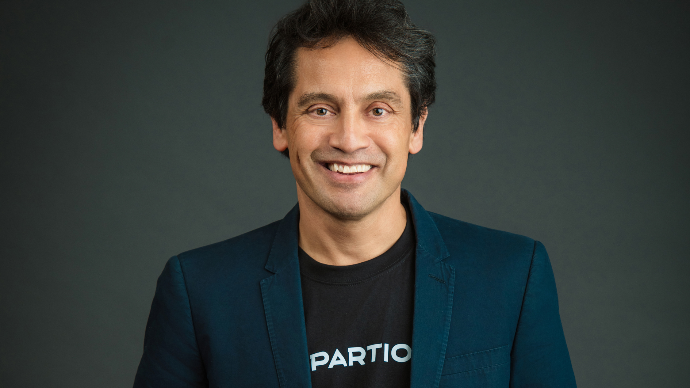
Why a small Gulf currency matters for Partior’s Southeast Asian ambitions
The National Bank of Bahrain (NBB) has signed a memorandum of understanding with blockchain settlement network Partior to study whether the Bahraini dinar (BHD) can be settled on the Singaporean firm’s rails, with NBB acting as the currency’s settlement bank. Read the fine print and the ambition shrinks to its proper size. The MoU commits […] The post Why a small Gulf currency matters for Partior’s Southeast Asian ambitions appeared first on e27.

Your ESOP is a fundraising document. Most founders treat it as a HR perk
Almost every founder I meet reaches the same conclusion at roughly the same moment. You cannot outbid a funded competitor on salary, so you give people a stake in the outcome instead. The logic is sound. Equity turns salary-limited hires into owners and aligns the people doing the work with the value they create. Then […] The post Your ESOP is a fundraising document. Most founders treat it as a HR perk appeared first on e27.

Employers are buying AI tools. Their managers are being left behind
Thirty-seven per cent. Eleven per cent. Those two numbers, tucked deep inside Jobstreet by SEEK’s Singapore Workplace Culture Study 2026, may say more about the region’s productivity problem than any headline about AI or inflation. The first is the share of employees who try to manage workplace pressure by quietly drawing their own boundaries: muting […] The post Employers are buying AI tools. Their managers are being left behind appeared first on e27.

Before you use predictive AI, decide what decision it should change
A lot of startup advice about predictive AI starts too early. It starts with the model, the tool, the data stack, or the dashboard. Those things matter, but they are not the first question. The first question is simpler: what decision should this prediction change? If a startup cannot answer that clearly, it is usually […] The post Before you use predictive AI, decide what decision it should change appeared first on e27.

'AI artists' perform improvised jazz at Jarasum Jazz Festival
Artificial intelligence (AI) models developed by a research team led by Korea Advanced Institute of Science and Technology (KAIST) professor Nam Ju-han made their debut at one of Korea’s leading jazz festivals, performing improvised jazz alongside human artists. According to the university Friday, the team showcased human-AI music collaboration technology that analyzes the flow of human performances in real time, allowing AI to take over performances or generate improvised accompaniment, during the 23rd Jarasum Jazz Festival, held in Gapyeong County, Gyeonggi Province, from Oct. 9 to 11. A total of 12 human jazz artists participated in the event, collaborating with AI in 26 pieces across 12 performances. The technology is different from existing music AI services as it enables collaboration with human musicians in jazz, a genre characterized by improvisation. Jazz musicians often change the tempo or create new melodies based on how they feel in the moment. Because the same piece can be performed differently each time, musicians must listen to one another and adjust their playing accord


YOUR NEWS, OUR NETWORK.
Do you have Great News you want to tell the world?
Be it updates about your business or your community, you can make sure that it’s heard by submitting your story to our network reaching hundreds of news sites across 6 verticals.