
How Can a Global Leading Cystoscope Manufacturer Support International Medical Device Buyers
Nov 4, 2026
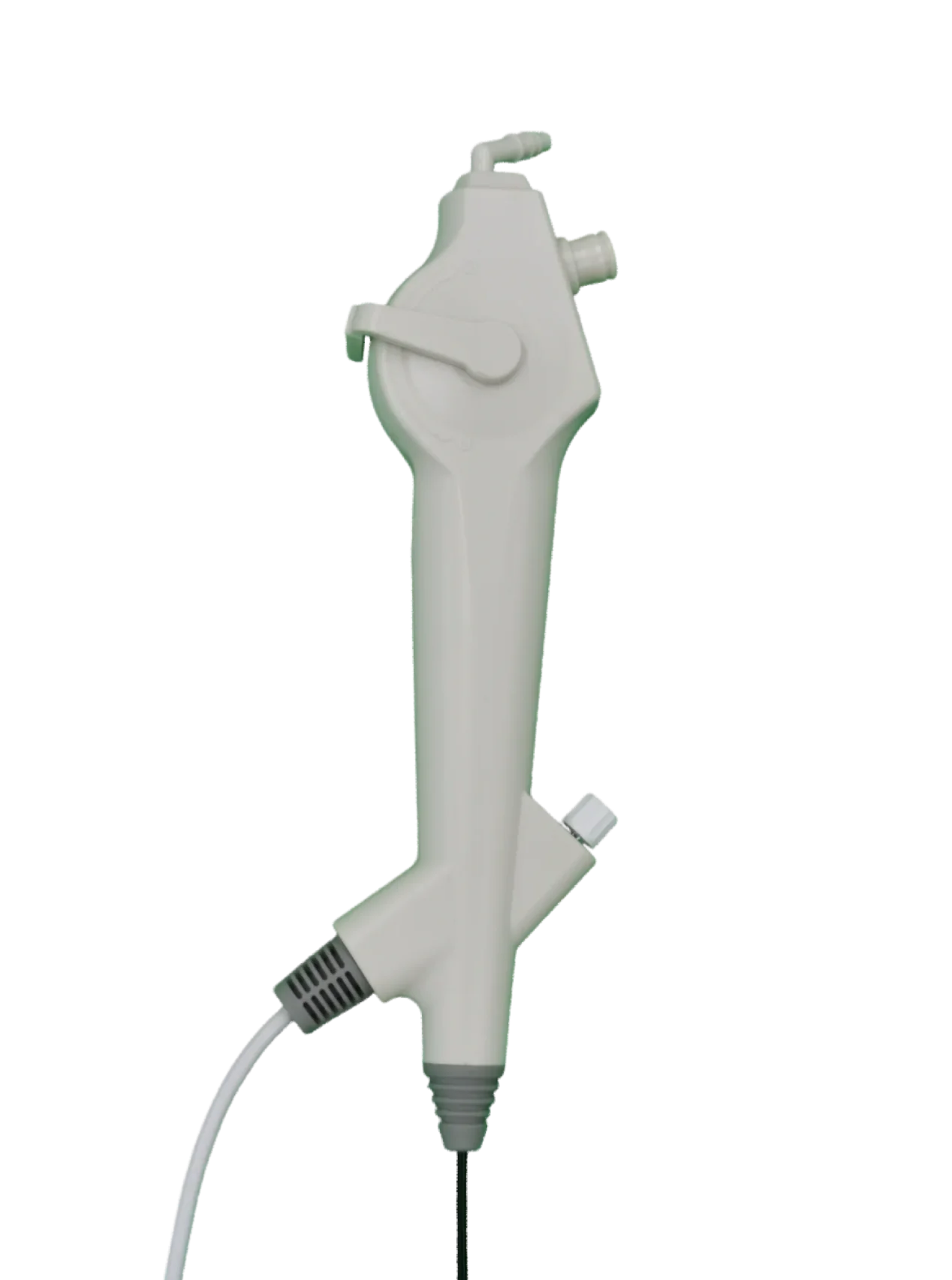
Xian, Shanxi Nov 3, 2026 (Issuewire.com) - Choosing a reliable cystoscope manufacturer is essential for hospitals, urology departments, outpatient clinics, and medical device distributors seeking dependable solutions for urinary tract examination and treatment. A cystoscope is an endoscopic medical device that allows healthcare professionals to examine the urethra and bladder. Depending on its design and configuration, it may support diagnostic procedures, tissue sampling, and certain minimally invasive treatments.
As healthcare providers continue to focus on visualization quality, infection prevention, operational efficiency, and patient comfort, selecting the right cystoscope supplier requires careful evaluation. Buyers should consider product design, image quality, manufacturing standards, regulatory documentation, technical support, and long-term supply capabilities.
For international procurement teams searching for a China Best Cystoscope Manufacturer or a Global Leading Cystoscope Manufacturer, understanding these factors can help narrow down potential suppliers and identify products that meet clinical requirements and market regulations.
1. Product Quality and Advanced Cystoscope Technology
Product quality is one of the most important factors when evaluating a cystoscope manufacturer. Hospitals require instruments that provide reliable visualization, practical handling, and compatibility with their intended procedures. Manufacturers should offer clear technical specifications and explain how their products support different clinical applications.
High-Quality Imaging and Visualization
Image quality plays a central role in cystoscopy. A well-designed cystoscope enables clinicians to examine the bladder lining and urethra, identify abnormalities, and perform procedures under direct visualization.
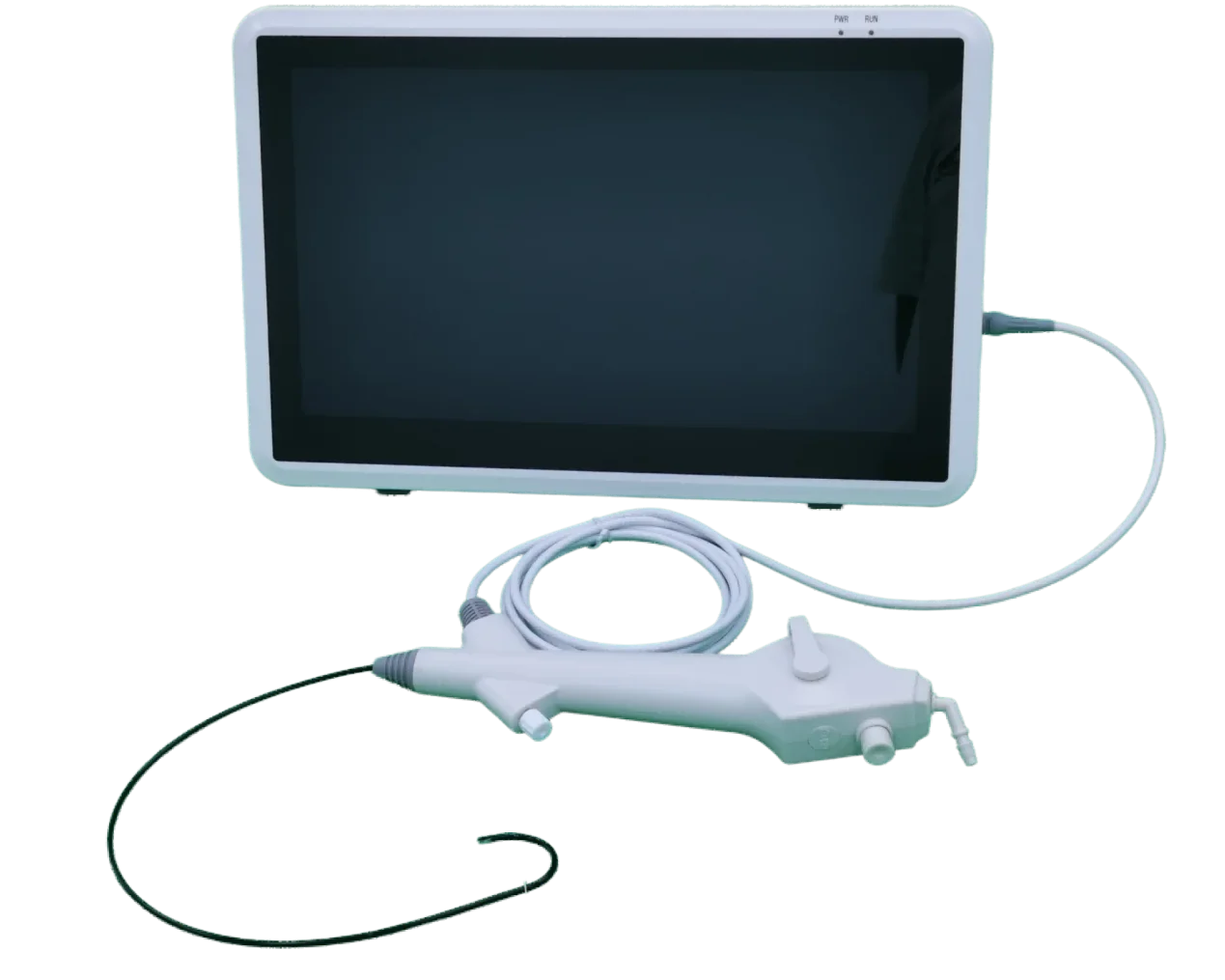
Modern video cystoscopes may incorporate digital imaging sensors, integrated illumination, and external display systems. These features can help clinicians obtain real-time images of the urinary tract. When comparing products, buyers should review resolution, field of view, image clarity, illumination performance, and available image or video recording functions.
Rigid cystoscopes commonly use optical lens systems, while flexible video cystoscopes may incorporate a digital imaging sensor near the distal tip. Each configuration has different operational characteristics, and the appropriate choice depends on the intended procedure, clinician preferences, and hospital workflow.
Manufacturers should provide accurate specifications, product demonstrations where available, and relevant technical documentation. Rather than relying on general claims about superior image quality, procurement teams should compare verifiable performance information and evaluate the device for its intended clinical use.
Flexible and Rigid Cystoscope Options
A professional manufacturer should explain the differences between flexible and rigid cystoscopes and help buyers identify suitable configurations.
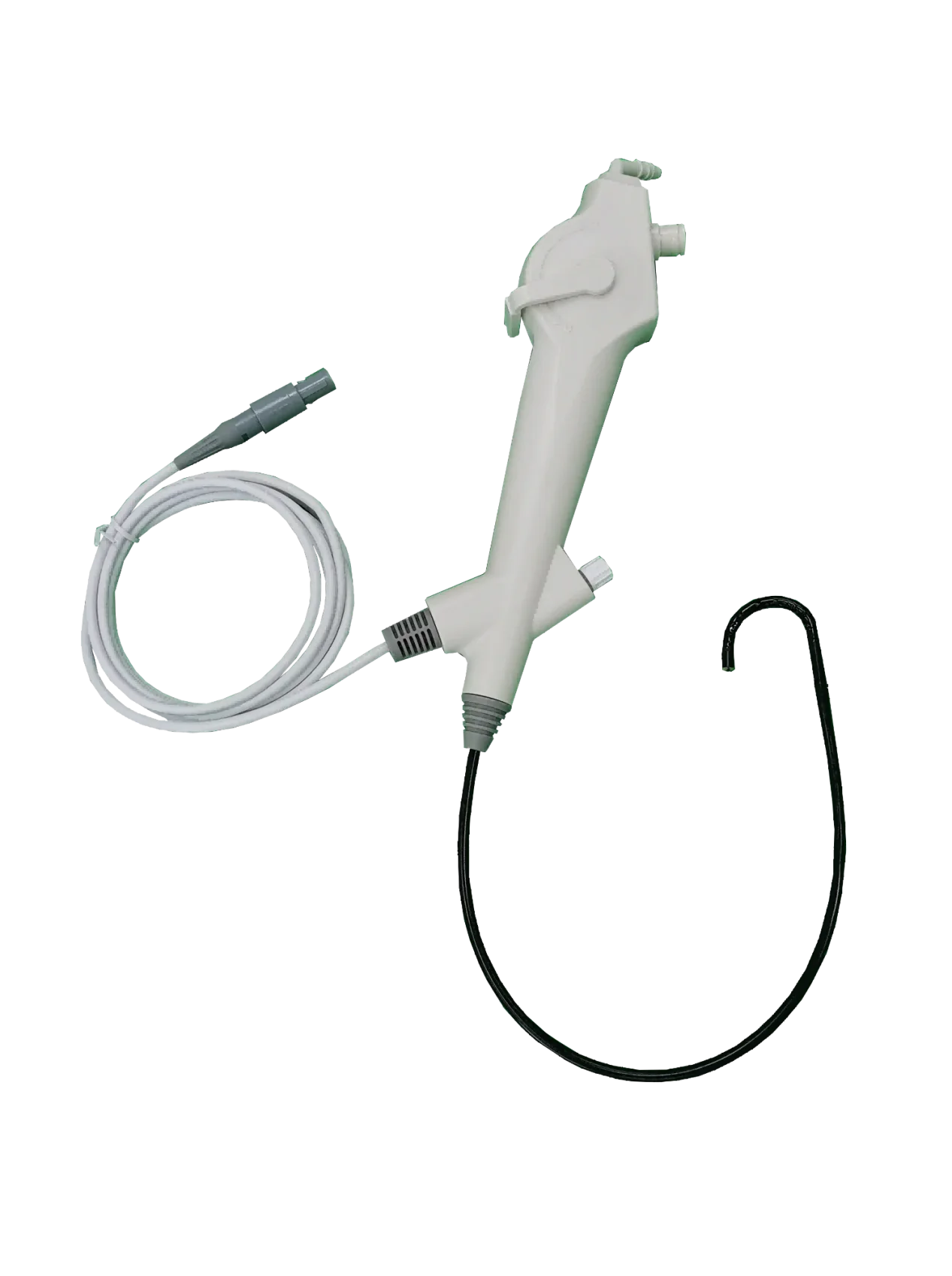
Flexible cystoscopes can navigate the urinary tract with a bendable insertion section and may be appropriate for various diagnostic procedures in outpatient or hospital settings. Their flexibility can support access to anatomical structures while potentially improving procedural convenience for selected patients.
Rigid cystoscopes provide a stable instrument platform and may be used for diagnostic examinations or operative procedures when the relevant configuration and accessories are appropriate. Their specifications may include telescope diameter, working length, viewing angle, and compatibility with irrigation systems or working instruments.
When comparing these options, hospitals should consider the intended clinical applications, instrument dimensions, maneuverability, sterilization requirements, and accessory compatibility. The supplier should also explain product limitations and the procedures for which each model is designed.
Infection Prevention and Ease of Reprocessing
Infection prevention is another important consideration when selecting a China Leading Cystoscope Manufacturer. Hospitals need clear instructions for cleaning, disinfection, sterilization where applicable, inspection, storage, and maintenance.
Reusable cystoscopes require validated reprocessing procedures consistent with the manufacturer's instructions and applicable local requirements. Components, seals, optical surfaces, and working channels, where present, must be handled according to the specified procedures.
Single-use cystoscopes provide an alternative for facilities seeking to reduce the need for reusable-device reprocessing. However, hospitals should evaluate device performance, packaging integrity, disposal requirements, supply availability, and total cost before selecting a single-use option.
A reliable manufacturer should provide detailed instructions for use and clearly identify whether a product is reusable or intended for single-patient use. These details help healthcare professionals integrate the device into established infection-control protocols.
2. Manufacturing Standards, Regulatory Compliance, and Supply Reliability
A reliable cystoscope supplier must demonstrate more than product functionality. Hospitals and distributors also need confidence in manufacturing consistency, regulatory documentation, product traceability, and the supplier's ability to provide stable support.
Quality Management and Regulatory Documentation
When evaluating a China Top Cystoscope Manufacturer, buyers should review the manufacturer's quality management system and request applicable product documentation.
ISO 13485 is an internationally recognized quality management system standard for medical devices. Depending on the destination market and device classification, additional requirements may include European Union Medical Device Regulation (MDR) documentation, applicable CE marking, US Food and Drug Administration requirements, and relevant local registrations or authorizations.
Procurement teams should verify that documents apply to the specific manufacturer and product being purchased. They should also confirm the validity and scope of certificates, the intended market, and any applicable restrictions.
A supplier that communicates clearly about regulatory status can help hospitals and distributors reduce procurement uncertainty. However, a general quality management certificate should not be treated as proof that every product is approved for sale in every country.
Consistent Production and Product Traceability
Manufacturing consistency helps ensure that products meet their stated specifications. Buyers should ask about inspection procedures, production quality controls, product identification, traceability, packaging, and complaint-handling processes.
For medical devices, traceability is particularly important when investigating a potential defect or managing a product-related safety issue. Hospitals and distributors should understand how the supplier identifies products or batches and how relevant quality concerns are documented and addressed.
Manufacturers should also provide clear product labeling, storage requirements, maintenance information, and instructions for handling and transportation. These details contribute to more reliable product management throughout the supply chain.
When purchasing cystoscopes for international distribution, buyers should clarify whether product documentation and labeling can meet the requirements of the destination market. Any customization should remain consistent with applicable regulatory obligations.
Supply Capacity and Long-Term Cooperation
Stable supply is essential for healthcare facilities that depend on medical equipment for scheduled procedures and ongoing patient care. A manufacturer should communicate realistic lead times, minimum order quantities, production arrangements, shipping conditions, warranty terms, and procedures for addressing defective products.
Distributors may also need information about replacement parts, compatible accessories, technical documentation, and product training. Establishing these expectations before ordering can help prevent misunderstandings during long-term cooperation.
A manufacturer should be assessed according to verifiable production capabilities, product suitability, quality controls, and service commitments rather than promotional rankings alone. This approach helps buyers determine whether a supplier can support their operational and commercial needs.
3. Technical Support, International Experience, and Supplier Evaluation
Product delivery is only one part of a successful medical device purchasing relationship. Hospitals and distributors also need responsive communication, useful technical resources, and clear procedures for handling questions or product issues.
Technical Training and After-Sales Service
A professional cystoscope manufacturer should provide appropriate product manuals, operating instructions, maintenance guidance, and reprocessing documentation for reusable models.
Technical support may include assistance with device setup, compatible accessories, routine inspection, troubleshooting, and warranty inquiries. For products intended for international markets, clear communication and accessible documentation can make cooperation more efficient.
Hospitals should confirm what support is included in the purchase agreement, how technical issues are reported, and whether training resources are available to relevant users. These arrangements help healthcare professionals understand the device's intended use and operating requirements.
Buyers should also evaluate the manufacturer's approach to product complaints, corrective actions, and safety-related communications. Reliable procedures for addressing issues are important considerations when establishing a long-term supplier relationship.
Comparing Manufacturers in the Global Market
International buyers searching for a Global Leading Cystoscope Manufacturer should compare suppliers using consistent evaluation criteria. These may include product configurations, imaging technology, optical performance, applicable certifications, clinical suitability, service availability, and total cost of ownership.
Established companies such as Olympus, KARL STORZ, and Richard Wolf operate in the endoscopy market and can serve as reference points when researching available technologies and product specifications. Their presence in the market does not mean that one supplier is necessarily the best choice for every hospital or purchasing requirement.
Buyers should examine manufacturer websites, product catalogs, technical documentation, and relevant regulatory information. Where possible, they should request demonstrations or samples when appropriate, consult qualified clinical users, and verify claims directly with the supplier.
For distributors, additional considerations may include export experience, private-label arrangements where permitted, packaging requirements, order flexibility, and the ability to provide consistent documentation across different markets.
Making an Informed Purchasing Decision
Before selecting a cystoscope supplier, hospitals and distributors should prepare a checklist covering the intended application, rigid or flexible design, imaging requirements, device dimensions, accessory compatibility, reprocessing procedures, regulatory status, delivery schedule, and after-sales support.
The lowest purchase price does not always represent the lowest overall cost. Reusable-device purchases may involve reprocessing, maintenance, repair, and replacement expenses, while single-use devices may involve recurring consumable costs. Comparing these factors helps procurement teams assess long-term value.
Ultimately, a reliable China Best Cystoscope Manufacturer should be able to explain its product specifications, provide relevant documentation, communicate transparently, and support customers throughout the purchasing process. Buyers should verify these capabilities rather than relying solely on claims such as China Leading Cystoscope Manufacturer, China Top Cystoscope Manufacturer, or global leadership.
By prioritizing product quality, regulatory compliance, clinical suitability, and dependable service, healthcare organizations can make better-informed purchasing decisions and select cystoscope solutions that align with their operational needs and patient-care objectives.
Source :Xian Haiye Medical Equipment Co., Ltd.
This article was originally published by IssueWire. Read the original article here.

Redmagic 12 Pro gets global release, now available in Singapore *Updated*
Despite being one of the few gaming phones out there left, it still packs in the latest and greatest.
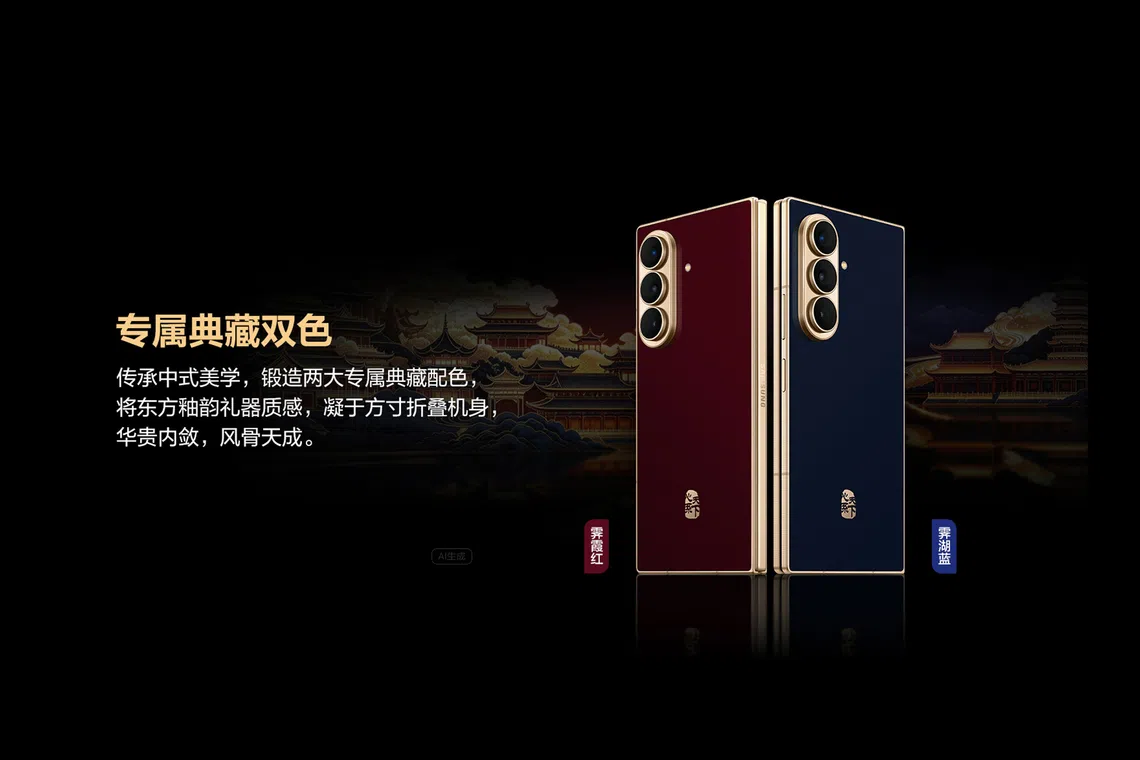
Samsung’s China-only foldable looks like a KTV-inspired Galaxy Z Fold8 Ultra
Just like past Galaxy W releases, this is specifically made for a Chinese telco partnership.

Thailand’s labour crisis and the refugees building its AI future
One photograph in a recent Nikkei Asia report says more about Southeast Asia’s tech economy than most investor decks I have read this year. It shows Myanmar refugees working on a data centre construction site in Chonburi, eastern Thailand. Sit with that for a moment. People who spent years, sometimes decades, in border camps without […] The post Thailand’s labour crisis and the refugees building its AI future appeared first on e27.
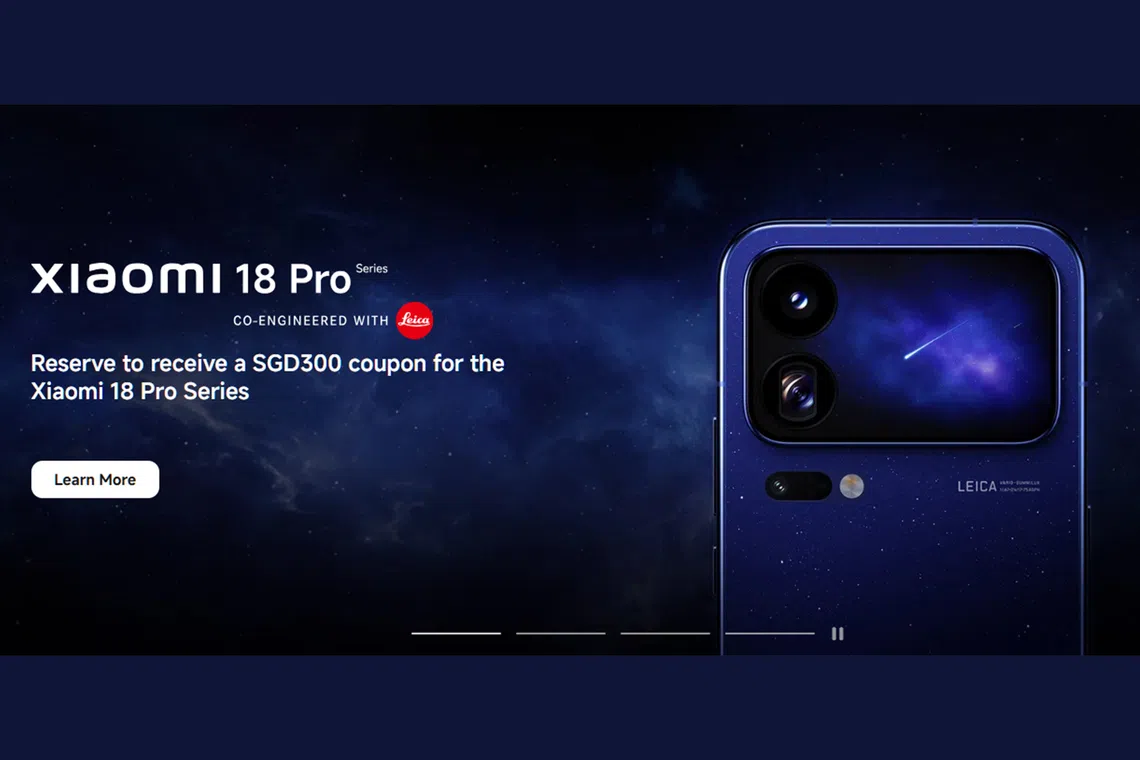
Xiaomi 18 Pro Max opens Singapore pre-registration with a S$300 coupon *updated*
If true, that would be the first time Xiaomi brings its rear-display phone model to Singapore.

Apple, DepEd partners to send 170,000 Macbook Neo to teachers
MANILA, Philippines – Apple CEO, John Ternus announced a partnership with the Department of Education (DepEd) to deploy 170,000 MacBook Neo to teachers and staff. Ternus mentioned this to be the “biggest education deal ever for Mac” as Apple plans to send the MacBook Neos to 16,400 K-12 public schools nationwide. “Investing in our teachers

Singapore’s factories are riding the AI wave, but the optimism rests on a narrow base
Singapore’s manufacturers are in their most buoyant mood in recent memory, and they largely have one customer category to thank: the AI data centre. A net weighted balance of 24 per cent of manufacturers expect business conditions to improve between October 2026 and March 2027, the Singapore Economic Development Board (EDB) said on Monday. A […] The post Singapore’s factories are riding the AI wave, but the optimism rests on a narrow base appeared first on e27.

SCB 10X Invests in Tasklet, AI Agent Platform for Business Workflow Automation, in Its Latest Funding Round
Bangkok, October 26, 2026 – SCB 10X, the disruptive technology investment arm of SCBX Group, announced its investment in Tasklet, an AI agent platform that enables businesses to automate complex workflows and delegate operational tasks to AI agents. Tasklet has raised an additional $12.8 million in funding, with participation from investors including Union Square Ventures, 359 Capital, […] The post SCB 10X Invests in Tasklet, AI Agent Platform for Business Workflow Automation, in Its Latest Funding Round appeared first on e27.

Ecosystem Roundup: North Korea’s US$6.4B Binance heist took 54 minutes and isn’t over
North Korea’s TraderTraitor group drained about US$6.4 billion from Binance in the early hours of 30 October, Singapore time, according to a Chainalysis reconstruction that puts the loss slightly above the exchange’s own US$6.3 billion estimate. No cryptography was broken. A compromised engineer’s laptop let the attacker obtain valid signed authorisations from a Binance hot […] The post Ecosystem Roundup: North Korea’s US$6.4B Binance heist took 54 minutes and isn’t over appeared first on e27.

Hoyoverse’s Petit Planet launches on 4 December, with a Switch 2 version coming in 2027
The free-to-play life simulation game arrives first on PC and mobile, where players can build a planet, meet its residents and explore the Starsea.

China’s ‘Lipstick King’ hawks tokens as AI gets mass-market Singles’ Day push
China’s “Lipstick King” has traded make-up swatches for artificial intelligence. Top live-streamer Li Jiaqi on Monday evening teamed up with an executive from Alibaba Group Holding to pitch AI subscriptions, selling nearly 100,000 monthly packages in just 30 minutes, according to data provided by the e-commerce giant. The broadcast on Taobao and Tmall – Alibaba’s largest domestic online marketplace – marked the first time generative AI products have taken centre stage during the annual Singles’...

Krungsri buys into Amity as the Thai AI group dresses its cap table for an IPO
Eight months after Amity announced a Series D of more than US$100 million, the round is still open for business. The Thailand-founded AI group said on Monday that Finnoventure Private Equity Trust I, a fund managed by Krungsri Finnovate, has come in as a strategic investor, extending the Series D round led by EDBI, the […] The post Krungsri buys into Amity as the Thai AI group dresses its cap table for an IPO appeared first on e27.

Vynn Capital backs Econili as Malaysia bets on recycling its battery waste
Econili Battery New Energy likes to think big. The Ipoh-based recycler has described itself as the largest lithium-ion battery recycler in ASEAN. It talks about plants on two continents and a listing on Nasdaq. thesun The latest deal is a good deal smaller. Econili has raised an extension round led by Vynn Capital, taking its […] The post Vynn Capital backs Econili as Malaysia bets on recycling its battery waste appeared first on e27.






YOUR NEWS, OUR NETWORK.
Do you have Great News you want to tell the world?
Be it updates about your business or your community, you can make sure that it’s heard by submitting your story to our network reaching hundreds of news sites across 6 verticals.