
Goldman Urology Surpasses 6,500 BPH Procedures, Expanding Individualized Treatment Strategies
Sep 15, 2026
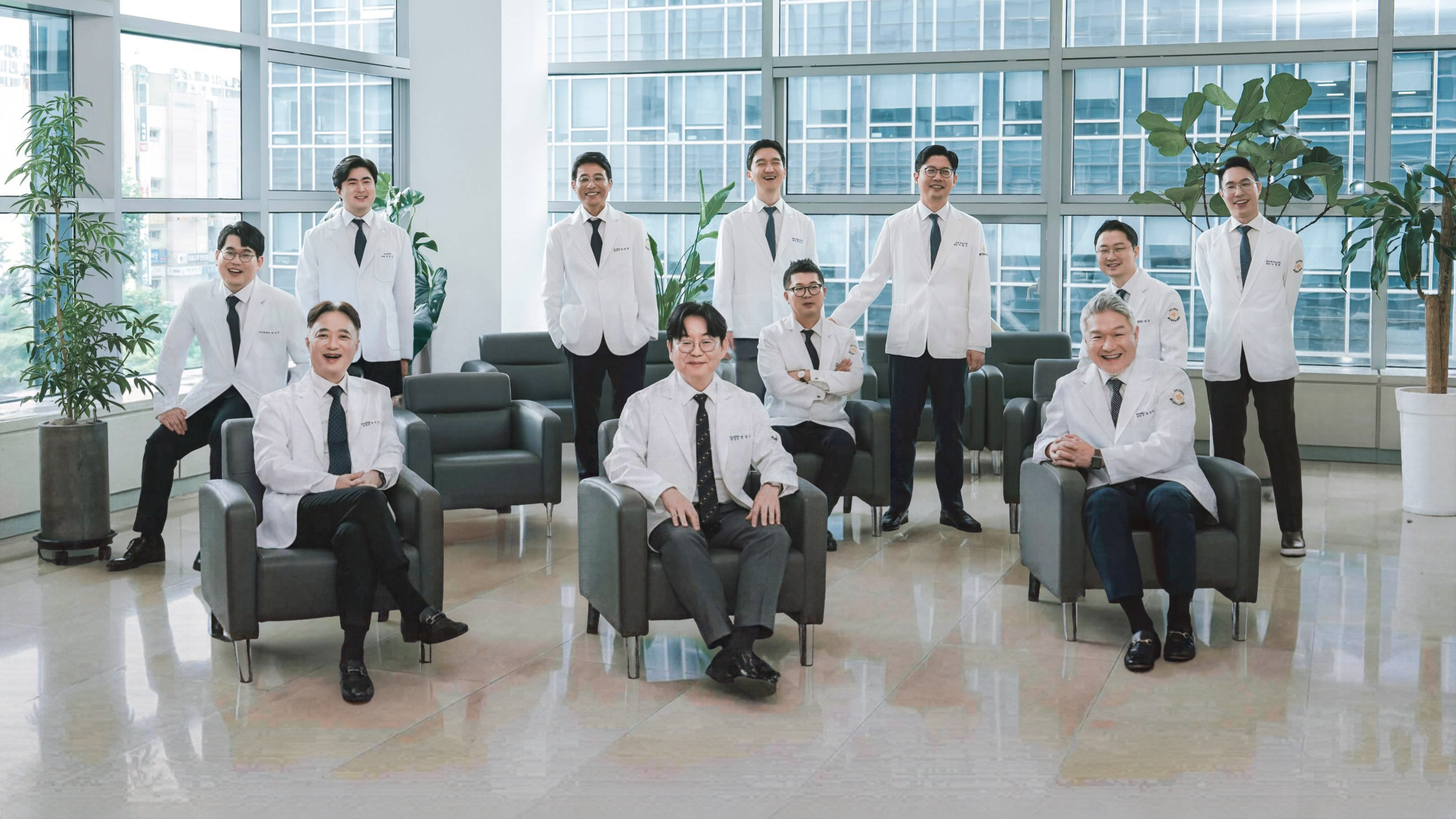
South Korean urology medical group reports more than 6,500 cumulative BPH procedures, supported by multiple treatment options and experience in complex cases.
Seoul, South Korea Sep 14, 2026 (Issuewire.com) - Goldman Urology has surpassed 6,500 cumulative procedures for benign prostatic hyperplasia (BPH), reflecting its continued clinical experience in selecting treatment strategies based on prostate anatomy, symptoms, underlying health conditions, and individual recovery considerations.
BPH is a common condition among middle-aged and older men in which enlargement of the prostate can compress the urethra and cause lower urinary tract symptoms such as a weak urinary stream, frequent urination, incomplete bladder emptying, and nocturia. Medication is often used as an initial treatment, while procedural or surgical treatment may be considered when symptoms remain inadequately controlled or complications such as recurrent urinary retention develop.
Multiple Treatment Options for Different Patient Needs
Goldman Urology provides five major procedural and surgical options for BPH: holmium laser enucleation of the prostate (HoLEP), Aquablation, Rezm water vapor therapy, iTind, and the UroLift prostatic urethral lift.
Rather than applying a single procedure across all patients, treatment selection takes into account factors including prostate size and anatomy, severity of urinary symptoms, underlying medical conditions, and recovery priorities.
HoLEP uses holmium laser energy to remove obstructive prostate tissue and can be applied to patients with larger prostates. Aquablation uses a robotically controlled waterjet to remove targeted prostate tissue without thermal energy. Rezm uses water vapor to reduce excess prostate tissue, while iTind and UroLift are designed to improve urinary flow without conventional tissue resection.
Experience with Complex BPH Cases
The complexity of BPH treatment can vary considerably from one patient to another. Older patients with cardiovascular disease, diabetes, or hypertension may require additional perioperative considerations. Treatment planning can also become more complex in patients with very large prostates or those undergoing repeat treatment after symptoms recur following a previous procedure.
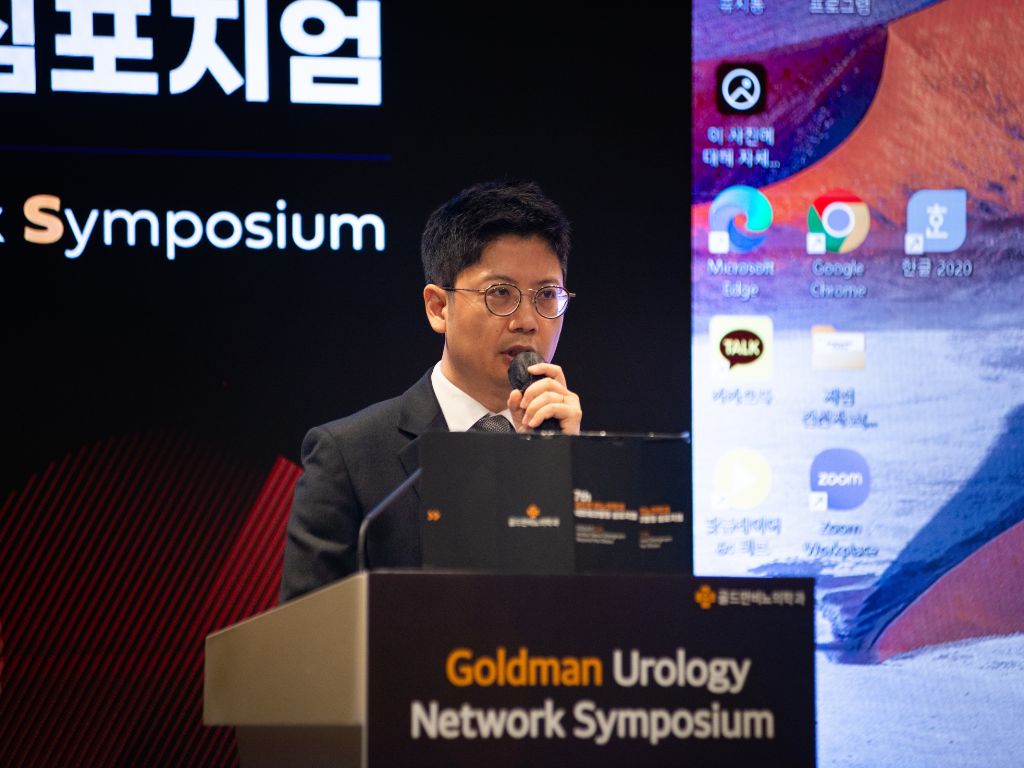
At a network symposium held in August, Goldman Urology physicians shared clinical experience involving HoLEP procedures for prostates ranging from approximately 80 cc to 200 cc, along with surgical techniques intended to reduce postoperative urinary incontinence.
The medical group holds regular clinical meetings and network symposia where physicians discuss complex cases, procedural techniques, and evolving approaches to BPH treatment.
Considering Function Preservation in Aquablation
In Aquablation procedures, Goldman Urology also incorporates a tissue-preservation approach known as "Hood Sparing," which is designed to preserve tissue around the verumontanum, an anatomical area associated with ejaculatory function.
The approach reflects a broader shift in BPH treatment toward considering not only relief of urinary obstruction but also functional outcomes and recovery following treatment.
Extending Care Beyond the Procedure
Goldman Urology operates inpatient facilities across its network to support patients during postoperative recovery. At its Gangnam location, overnight medical and nursing staff are available to monitor hospitalized patients and respond to changes in their condition during recovery.
According to Goldman Urology, the milestone of 6,500 cumulative BPH procedures reflects clinical experience across a range of prostate sizes, patient health profiles, and treatment modalities. The medical group plans to continue refining individualized treatment strategies through ongoing clinical review and physician education.
"BPH treatment should not be determined by prostate size alone," said Chang-ki Lee, representative director of Goldman Urology. "A patient's symptoms, overall health status, anatomical characteristics, and recovery priorities should all be considered when selecting an appropriate treatment strategy."
Goldman Urology said it will continue to develop its BPH treatment protocols based on accumulated clinical experience and ongoing exchange among physicians.
Reported by Jo Ban-eum
Medical Journalist, Clinic in Korea


Source :Goldman Urology Clinic
This article was originally published by IssueWire. Read the original article here.

Gov't, businesses team up to help retired detection dogs find new homes
The Ministry of Agriculture, Food and Rural Affairs last week joined Trinity Airways and Sono Pet Clubs & Resorts for a two-day pet adoption program, combining government support for retired detection dogs with private-sector assistance in event planning, accommodation and training. The Animal and Plant Quarantine Agency under the ministry provided guidance on adoption procedures and answered prospective owners’ questions. Trinity Airways, formerly T’way Air, organized the program, held Saturday and Sunday, while Sono Pet provided spaces for families and dogs to interact and rest, along with professional training support. Held at Sono Pet’s Vivaldi Park in Hongcheon, Gangwon Province, the program brought together three retired quarantine detection dogs and three prospective adoptive families selected through a screening process, according to the agency. The dogs were two English springer spaniels, aged 7 and 9, and a 9-year-old beagle. Activities included running together, treasure hunts and walks, giving participants opportunities to interact with the dogs. A trainer specializing

Finda to become 1st fintech firm to acquire savings bank
Finda, a loan comparison platform, is set to acquire a savings bank, in what would be a first for a Korean fintech company as it looks to build an artificial intelligence (AI)-native bank, industry officials said Monday. The Financial Services Commission's subcommittee approved Finda's application to acquire Daewon Savings Bank on Friday. The regulator is set to make a final decision at its regular meeting Wednesday. Finda signed a deal in June to acquire all of Daewon Savings Bank's shares for about 12 billion won ($9 million). The acquisition would allow the company to move beyond matching borrowers with lenders and offer financial services directly, including loans and deposits. Once the deal receives final approval, Finda plans to appoint a new CEO through board and shareholder meetings. The fintech firm aims to turn the lender into an AI-native bank, relying on digital services rather than a traditional network of branches. It plans to draw on AI technology and loan-comparison data it has collected since 2019 to expand its online lending business nationwide, the firm said. The compan

Global AI & Digital Summit kicks off 3-day run in Seoul
A global event aimed at exploring how artificial intelligence (AI) and digital transformation can deliver practical development gains kicked off its three-day run in Seoul on Monday, the science ministry said. The Global AI & Digital Summit, co-hosted by the ministry and the World Bank Group — a family of five institutions that makes leveraged loans to developing countries —brought together government officials from some 60 nations, as well as development partners, private sector leaders and researchers. This year marks the first time the summit was held outside of the United States, the ministry added. The event will begin with an AI and Digital Ministerial meeting, co-chaired by Science Minister Bae Kyung-hoon and Kim Sang-bu, the vice president for digital and AI at the World Bank Group, followed by policy forums and exhibitions from participating companies. Korea has been hosting the AI and digital ministerial meeting since 2005, with the most recent gathering held last year on the sidelines of the Asia Pacific Economic Co-operation (APEC) forum. Second Vice Science Minister Ryu J

Hyundai Rotem acquires Wia's defense biz as group reorganizes portfolio
Hyundai Rotem, a Hyundai Motor Group affiliate that manufactures the K2 battle tank, will acquire the defense business unit of fellow affiliate Hyundai Wia for 358.4 billion won ($252 million), as their parent company seeks to strengthen its competitiveness by consolidating its defense operations. According to the two companies’ regulatory filings, Hyundai Rotem will acquire Hyundai Wia's defense business, which manufactures main gun barrels for battle tanks and self-propelled howitzers. The two sides signed the contract on Monday and plans to close the deal by March 31. Hyundai Rotem’s main businesses include railway vehicles, such as trains and trams, and weapons systems for land, naval and air operations. Hyundai Wia manufactures engines, modules and gun barrels, supplying the barrels for both Hyundai Rotem’s K2 battle tanks and K9 self-propelled howitzers produced by Hanwha Aerospace. The acquisition will allow Hyundai Rotem to manufacture both complete K2 battle tanks and their main guns, reducing manufacturing costs and improving supply chain management efficiency. By bringi

Global cooperation, corporate innovation key to navigating AI uncertainty
JINJU, South Gyeongsang Province — International cooperation and corporate innovation have emerged as key priorities for navigating artificial intelligence (AI)-driven change and narrowing the digital divide, as former United Nations officials and executives from major conglomerates discussed ways to promote inclusive growth on Monday. The 2026 Jinju International Forum on Entrepreneurship, held on Monday and Tuesday, brought together international organization officials and business executives to discuss how entrepreneurship can help businesses navigate geopolitical tensions, supply chain realignments and rapid advances in AI. The first session, moderated by Oh Joon, the 71st president of the U.N. Economic and Social Council (ECOSOC), focused on the role of international organizations in promoting inclusive development as digital technologies reshape economies. Nestor Osorio, the council's 69th president, called for broader digital access and support for small-scale agricultural producers, arguing that technological progress must benefit communities beyond major cities and large corp

2.76 mil. pieces of customers' info at Hollys leaked in cyberattack
Customer information held by local coffee chain Hollys has reportedly been leaked via hacking of its memberships program, the franchise said Monday, the latest in a string of cyberattacks targeting local companies. A total of 2.76 million pieces of personal information, including the customers' dates of birth, phone numbers, addresses and emails, was stolen by the hackers sometime between Sept. 3 and Oct. 7, when the company detected unauthorized access to its system, according to a notice posted on the company's website. "We understand that the leaked data consists of temporary data files provided for a past membership service overhaul, not the data from the currently active customer database," the notice read, adding the company is still investigating the exact scope of the incident. "We sincerely apologize for causing customer concern from this incident. We will make our utmost efforts to protect customer data and minimize damage from the breach," it added. The cybersecurity violation at Hollys follows back-to-back leaks of customer data at local financial firms early this month. Arou

Hyundai Glovis plans Philadelphia port expansion, vehicle terminal operations
Hyundai Glovis plans to extend its dedicated site agreement at the Port of Philadelphia through 2056 and enter the vehicle terminal operations business, expanding its role at the key logistics hub on the east coast of the United States. The Korean company said Monday that it had signed a memorandum of understanding with the Philadelphia Regional Port Authority, known as PhilaPort, and a local developer to cooperate on port expansion and vehicle terminal operations. The agreement includes securing an additional vehicle logistics space and extending the existing site. Hyundai Glovis plans to participate in the vehicle segment of PhilaPort’s broader expansion, securing a dedicated berth for car carriers and adding terminal operations to its existing transport and storage services. Pennsylvania Gov. Josh Shapiro and state and port officials attended the expansion announcement, where Hyundai Glovis was introduced as a major private-sector partner. The event outlined plans for container and vehicle terminals and public-private cooperation. Hyundai Glovis has handled vehicle import and export

SK hynix's potential Solidigm IPO conflicts with shareholder protection rules: watchdog chief
Korean regulators believe SK hynix’s potential listing of its NAND flash memory subsidiary Solidigm in the United States would run counter to rules governing listings of both parent companies and their subsidiaries, Financial Supervisory Service (FSS) Gov. Lee Chan-jin said Monday. “We are continuing to monitor the Solidigm issue. Both the Financial Services Commission (FSC) and the FSS consider it to conflict with those rules,” Lee said. He was responding to Rep. Park Sung-hoon of the main opposition People Power Party during a National Assembly audit. Park accused SK hynix of leaving domestic shareholders uninformed while explaining to the U.S. Securities and Exchange Commission that listing a subsidiary could adversely affect the parent firm’s share price. Solidigm was established in the United States through SK hynix’s $9 billion acquisition of Intel’s NAND flash memory business. SK hynix has maintained that no decision has been finalized on an initial public offering (IPO), saying Solidigm is exploring ways to strengthen its competitiveness. Still, expectations of a stock

Jinju forum returns for 4th straight year
JINJU, South Gyeongsang Province — The Jinju International Forum on Entrepreneurship opened Monday for its fourth consecutive year, bringing together business leaders, scholars, policymakers and international representatives to explore how entrepreneurship can address global uncertainty and rapid digital transformation. Held under the theme “An Era of Global Uncertainty and Digital Transformation: What Is the Role of Entrepreneurship?,” the 2026 forum focuses on how entrepreneurship can drive innovation, promote sustainable prosperity and address challenges such as technological disparities, demographic changes and the climate crisis. In his welcoming remarks, Jinju Mayor Jo Kyoo-il highlighted the city's entrepreneurial heritage, saying its emphasis on respect for people, community responsibility and innovation offered valuable lessons for navigating today's technological and economic changes. Jinju is deeply connected to the entrepreneurial roots of major Korean business groups, including LG, GS, Samsung and Hyosung, whose founders helped drive Korea's economic transformation, J

Korea seeks dedicated US visa quota for shipbuilding workers
Korea is seeking a dedicated U.S. visa quota for shipbuilding workers as a condition for carrying out its $150 billion investment commitment under the Make American Shipbuilding Great Again (MASGA) initiative, according to the information submitted to Rep. Huh Sung-moo of the ruling Democratic Party of Korea by the Ministry of Trade, Industry and Energy. On Monday, Huh said that information he had received from the ministry indicated that it has been “explaining” to its U.S. counterparts the conditions “Washington needs to meet for Korea to fulfill its investment commitment.” “In particular, we have requested that the U.S. provide sufficient shipbuilding orders, allow joint shipbuilding through exemptions from restrictions on overseas construction, offer financial incentives and establish a dedicated visa quota for shipbuilding workers as prerequisites for implementing the investment commitment,” the ministry said in its response. The Korean government and business associations have been pushing for the introduction of a new E-4 visa category for Korean professionals in spec

[COVER STORY] Labor rigidity puts Korean shipbuilders at disadvantage against China
Korean shipbuilders are struggling to expand production capacities despite order books stretching years ahead. Their main struggle is not about technology or infrastructure, but labor. They need to hire workers quickly enough to scale up and capitalize on additional orders, but they say Korea's inflexible employment practices, combined with the industry's cyclical nature, are complicating workforce planning: Hiring aggressively during a boom can leave shipbuilders with excess labor costs when orders decline, making them cautious about expanding their permanent workforce. While they are struggling with the rigid labor arrangements, Chinese rivals are rapidly ramping up capacity. Domestic industry officials worry that China's expanding shipbuilding experience could erode Korea's technological edge as Chinese shipyards build more vessels and hone their technical capabilities. “As shipbuilding is a cyclical industry with large swings between booms and downturns, flexibility is needed to adjust production capacity in line with market conditions,” an industry official said on condition of

Mercedes-Benz launches all-electric CLA, GLC in Korea
Mercedes-Benz Korea on Monday launched all-electric versions of its CLA sedan and GLC sport utility vehicle (SUV) in Korea as part of its push to expand its electric vehicle lineup. The German luxury automaker unveiled the all-new electric CLA and GLC, both built on its next-generation, in-house-developed electric vehicle platforms. "Together with these two models, we marked a very important turning point in our electrification journey as the first representatives of a new generation of purpose-built electric architectures," Mercedes-Benz Korea CEO Shirin Emeera said during a launch event in Seoul. The electric CLA comes in two variants: the CLA 250+ electric with an 85 per kilowatt hour (kWh) nickel-cobalt-manganese (NCM) battery and the CLA 200 electric with a 58 kWh lithium iron phosphate (LFP) battery. Both models use batteries supplied by Chinese battery maker Contemporary Amperex Technology Co. Ltd. (CATL). The CLA 250+ electric and CLA 200 electric offer driving ranges of 474 kilometers and 342 kilometers, respectively, on a single charge under Korean certification standards. Both s


Hyundai Rotem Q3 net down 10.3% to $133.9 mil

YOUR NEWS, OUR NETWORK.
Do you have Great News you want to tell the world?
Be it updates about your business or your community, you can make sure that it’s heard by submitting your story to our network reaching hundreds of news sites across 6 verticals.