
Direct-from-Source Efficiency: Wholesale vs Retail Sourcing in North American Marble Countertops
Sep 30, 2026

Xiamen, Fujian Sep 29, 2026 (Issuewire.com) - The Shift Toward Direct-from-Source Efficiency in North American Stone Procurement
In the North American architectural and construction sectors, commercial developers, fabricators, and stone distributors face escalating pressure regarding supply chain transparency and lead times. Material procurement strategies directly determine project margins and completion schedules. A major challenge for buyers involves securing high-grade natural stone slabs without paying multi-tiered intermediary markups. For high-volume sourcing, partnering directly with an experienced Marble Countertops Wholesale Exporter eliminates redundant handling steps, reduces freight overhead, and ensures strict quality control before shipments leave the processing floor.
The North American natural stone market currently navigates distinct structural shifts. High-end residential builds and large-scale commercial developments require premium dimensional stone, yet localized distributor inventories frequently suffer from batch discrepancies and restricted volume availability. When sourcing through regional retail distributors or middle-tier jobbers, buyers absorb stacked costs: warehouse storage fees, multi-leg logistics charges, and regional broker markups. Furthermore, localized inventory often lacks consistency in block matching, which complicates large-scale hotel, multi-family, or office tower installations where visual continuity across hundreds of square feet remains imperative.
Supply chain bottlenecks have further exposed the vulnerabilities of traditional stone distribution models. Standard retail sourcing channels rely on multi-step pipelines where quarry owners sell to regional processors, who then trade with export brokers, national wholesalers, local distributors, and finally end fabricators. At each transaction point, product costs increase while direct traceability diminishes. In contrast, bulk procurement models streamline these logistics into a single direct pipeline. By sourcing directly from processing hubs, commercial buyers gain real-time visibility into stone block selection, precise dimensional fabrication, and standardized packaging tailored for transpacific or cross-border logistics.
Wholesale vs Retail Sourcing: Structural Cost and Workflow Comparison
Evaluating stone sourcing methods requires examining the functional differences between retail distributor networks and direct-from-source wholesale channels. Retail channels suit small-scale repairs or localized single-kitchen remodels, but fall short when applied to commercial projects requiring volume consistency, custom edge profiles, and predictable lead times.
Sourcing Parameter
Retail Distributor Channel
Direct-from-Source Wholesale
Price Architecture
Cumulative multi-tiered markup
Direct quarry-to-factory wholesale pricing
Batch Consistency
Fragmented slab lots from mixed bundles
Single-quarry block matching and uniform veining
Customization Capability
Pre-cut standard dimensions only
Custom slab thickness, cut-to-size, and edge detailing
Quality Control Point
Post-delivery visual inspection
Factory-floor inspection prior to container packing
Lead Time Predictability
Dependent on local stock availability
Scheduled production runs and direct ocean freight
Direct-from-source procurement addresses specific operational pain points that retail networks cannot manage. Standard retail slabs pass through multiple warehouses, increasing the risk of edge chipping, surface scratching, or structural stress fractures due to repeated handling. Direct factory loading ensures that large-format slabs, vanity tops, and custom kitchen islands are secured within reinforced wooden crates fitted with shock-absorption frames specifically built for container shipping.
Additionally, factory-direct sourcing provides access to complete stone collections rather than isolated inventory lots. Projects specifying natural marble, granite, or engineered quartz require unified shade sorting and thickness calibration. Direct wholesale platforms manage batch selection directly at the slab-cutting stage, preventing mismatched hues between adjoining countertop panels during final job-site installation.
Why Lexiang Stone Leads Marble Countertops Wholesale in NA
Founded in 2008, Lexiang Stone operates as a dedicated supplier and exporter specializing in natural stone and engineered stone products for residential, commercial, hospitality, and architectural applications. By pairing extensive raw material sourcing with advanced factory processing, the company supplies comprehensive stone solutions to wholesalers, distributors, contractors, designers, builders, fabricators, and project developers worldwide.
The company's product catalog spans natural granite, engineered quartz stone, natural quartzite, large-format marble slabs, countertop slabs, kitchen islands, wall cladding panels, bar tops, vanity tops, and custom stair components. Recognizing that stone functions as both a structural element and a defining visual feature, production focuses heavily on dimensional precision, surface finish consistency, and structural integrity.
Material Versatility and Production Capabilities
To serve diverse architectural needs, processing facilities accommodate varied edge profiles--such as bullnose, bevel, polished, and mitered edges--alongside surface treatments including polished, honed, brushed, and leathered finishes.
- Natural Marble Slabs: High-grade blocks cut into large-format slabs suitable for book-matched feature walls and expansive kitchen island installations.
- Engineered Quartz & Natural Quartzite: High-density, stain-resistant surfaces engineered for high-traffic commercial environments and heavy-duty kitchen prep stations.
- Cut-to-Size Project Components: Precision-machined vanity tops, stair treads, and wall panels tailored to exact architectural shop drawings.
Through rigorous quality control protocols, each stone slab undergoes calibration to maintain exact thickness tolerances, eliminating surface unevenness prior to export. This precision minimizes on-site adjustments for fabricators, reducing labor costs and installation timelines on North American job sites.
Frequently Asked Questions (FAQ): What defines direct-from-source stone procurement?
Direct-from-source procurement refers to purchasing natural or engineered stone slabs directly from primary processing factories and exporters rather than through intermediate retail distributors. This model consolidates block selection, custom cutting, surface finishing, and export packaging into a single streamlined workflow.
How do factory slab inspections prevent project delays on site?
Factory-floor quality control checks slab thickness tolerance, veining consistency, and surface polish before container loading. Identifying micro-fissures or color variations at the factory level prevents job-site rejections, eliminating costly project delays during installation.
What packaging standards protect large-format marble slabs during transit?
Export-grade marble slabs are secured in heavy-duty, fumigated wooden bundles equipped with corner protection and shock-absorbing spacers. Crated units are anchored within ocean containers using steel strapping to withstand maritime handling and road transport.
Can custom edge profiles and cut-to-size dimensions be completed before export?
Yes. Direct wholesale exporters execute full CAD-based shop drawing processing, applying specified edge profiles (such as mitered apron edges, eased edges, or Ogee finishes) and sink cutout fabrications directly at the factory before shipping.
How does bulk container ordering compare to buying local distributor stock?
Ordering bulk containers directly from the source significantly reduces unit costs per square foot and guarantees color-matched slab lots from the same quarry block. Local distributor stock offers immediate pickup for small repairs but carries higher prices and fragmented lot availability.
Technical Specifications and Sourcing Solutions
Planning a commercial build or scaling regional distribution requires clear technical alignment on material grades, finishes, and shipping schedules. Direct factory sourcing provides commercial buyers with shop-drawing verification, slab bundle photos, and customized crate packing tailored to exact project schedules.
For complete product catalogs, technical material specifications, or custom project quotes, consult the official enterprise hub at https://www.lxcc.com/.
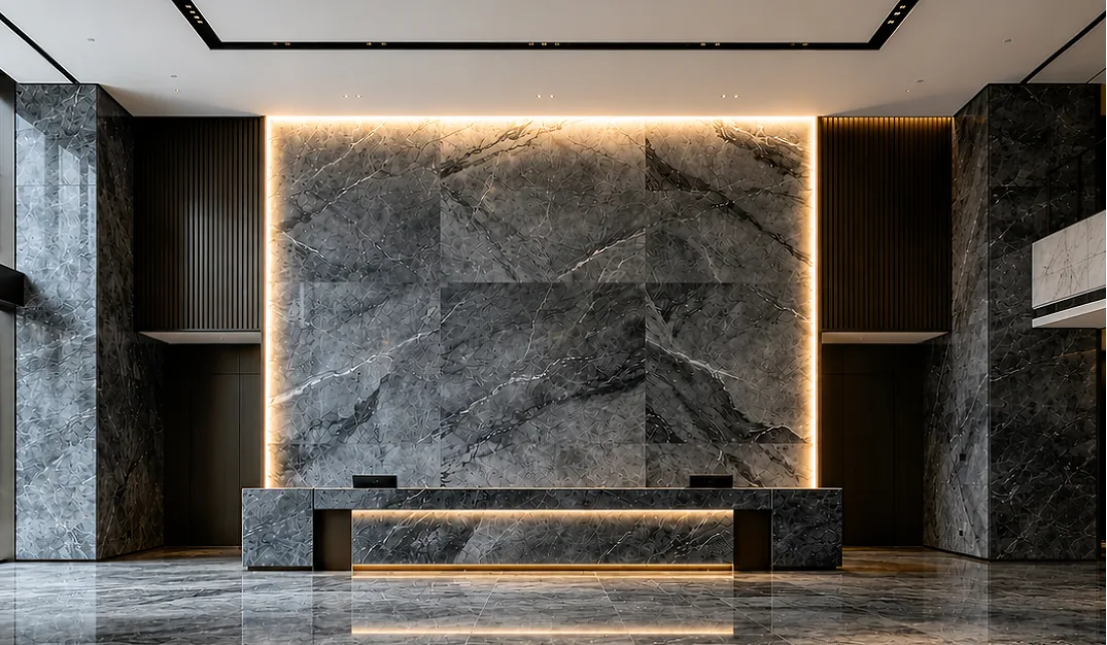
Source :Xiamen Lexiang Import & Export Co., ltd.
This article was originally published by IssueWire. Read the original article here.

Nuri rocket deploys 14 satellites, 1 CubeSat fails to release
The Nuri rocket successfully lifted off on its fifth launch and deployed 14 of the 15 satellites it carried into their target orbit Wednesday. The rocket lifted off from the second launch pad at the Naro Space Center in Goheung, Jeonnam-Gwangju Special Metropolitan City, at 12:25 p.m. and completed its roughly 20-minute flight at around 12:45 p.m. The rocket separated its first stage about two minutes after liftoff, followed by the second stage about four and a half minutes into the flight. At around 12:40 p.m., it reached an altitude of 570 kilometers and completed the sequential deployment of five NEONSAT swarm microsatellites (satellite No. 2 to 6), its primary payload, along with nine of the 10 CubeSats it carried. Initially, the Nuri sent signals indicating that all of the CubeSats had been successfully deployed. However, subsequent checks found that PERSAT02, developed by Quaternion, had failed to separate from the rocket. The flight ended at around 12:45 p.m. after the third stage completed its autopilot sequence. "The Nuri rocket successfully completed its planned fifth launch mis

Southeast Asia’s foodtech winners are the least glamorous ones
Southeast Asia’s foodtech story was supposed to be about disruption: lab-grown shrimp on every plate, groceries at your door in 15 minutes, ghost kitchens replacing the corner restaurant. The reality has been humbler, and arguably more interesting. The 2022 correction thinned the herd, the eFishery scandal and TaniHub’s collapse left scars, and many of the […] The post Southeast Asia’s foodtech winners are the least glamorous ones appeared first on e27.

When the carer has dementia too: Japan turns to physical AI to rescue eldercare
Some Japanese words resist translation. Take rōrō kaigo (老老介護). The character rō means “elderly”, and repeating it describes an elderly person caring for another elderly person, such as an 80-year-old husband looking after his equally frail wife on his own. That is the reality the word captures. Then there is the darker ninnin kaigo (認認介護). […] The post When the carer has dementia too: Japan turns to physical AI to rescue eldercare appeared first on e27.

Southeast Asian tech leaders are learning to trust AI agents, but not with production
AI coding agents have moved quickly from novelty to daily tool inside Southeast Asian engineering teams. Across Singapore, Bangkok, Jakarta and Ho Chi Minh City, developers are no longer just asking AI to complete a line of code or explain an error message. They are using agents to plan tasks, refactor repositories, generate tests and […] The post Southeast Asian tech leaders are learning to trust AI agents, but not with production appeared first on e27.
Nuri rocket successfully deploy 15 satellites
The Nuri rocket successfully lifted off in its fifth launch and deployed 15 satellites into their target orbit, Wednesday. The rocket lifted off from the second launch pad at the Naro Space Center in Goheung, Jeonnam-Gwangju Special Metropolitan City, at 12:25 p.m. and completed its roughly 20-minute flight at around 12:45 p.m. The rocket separated its first stage about two minutes after liftoff, followed by the second stage about four and a half minutes into the flight. At around 12:40 p.m., it reached an altitude of 570 kilometers and completed the sequential deployment of five NEONSAT swarm microsatellites, its primary payload, and 10 CubeSats. The flight ended at around 12:45 p.m. after the third stage completed its autopilot sequence. "The Nuri rocket has been confirmed to have reached its target orbit in accordance with the planned flight sequence, and all five NEONSAT swarm microsatellites were separated in the planned order,” Korea AeroSpace Administration (KASA) Administrator Oh Tae-seog said. “Based on the satellite deployment process and flight status confirmed so far, the

KT&G's No. 2 plant in Indonesia begins operations
KT&G Corp., Korea's dominant tobacco company, said Wednesday its second plant in Indonesia has begun operations as it expands its presence in Southeast Asia. The new plant is located in Pasuruan, East Java, while KT&G's first tobacco manufacturing plant in Indonesia is in Surabaya, the company said in a press release. The new Indonesian plant will serve as KT&G's manufacturing base in Southeast Asia, producing goods for export to neighboring countries and other markets, it said. The plant has an annual production capacity of 21 billion cigarettes, bringing KT&G's total production capacity in Indonesia to 35 billion cigarettes. KT&G operates tobacco plants in five countries — Korea, Russia, Turkey, Indonesia and Kazakhstan. The combined annual production capacity of its four overseas plants is expected to reach 65 billion cigarettes, the company said, without specifying when that target would be reached. KT&G's three domestic plants have a combined annual production capacity of 56 billion cigarettes. The company aims to generate half of its sales overseas in 2027. It is targeting sales of

The new engineering bottleneck isn’t writing code, it’s trusting it
For the past two years, the story engineering teams told about AI was simple: it writes code faster, so teams ship faster. That story is only half true. Code does get written faster. But Google’s 2025 DORA report, based on analysis of over 1,100 open-ended responses from Google software engineers, found that higher AI adoption […] The post The new engineering bottleneck isn’t writing code, it’s trusting it appeared first on e27.

Light liquidations and flat funding: Is Bitcoin about to explode?
Bitcoin traded in a narrow band near US$85,400 to US$85,550 during early October 7, 2026. Live aggregator readings clustered around US$85,435 to US$85,542. The 24-hour change settled at roughly -0.3 per cent to -0.5 per cent on most feeds, though one snapshot briefly showed a small positive. There were no sustained breakouts in either direction. […] The post Light liquidations and flat funding: Is Bitcoin about to explode? appeared first on e27.

Granite Asia, Google AI Futures Fund team up to back Asia’s AI founders
Asia’s AI founders are increasingly facing a split-screen reality. Investor interest is high, but building at the frontier of artificial intelligence still requires more than a seed cheque. Startups need access to large models, cloud infrastructure, technical feedback, distribution channels and patient capital, all while competing with better-funded peers in the US and China. Granite […] The post Granite Asia, Google AI Futures Fund team up to back Asia’s AI founders appeared first on e27.

Europe’s trade truce with America has not restored trust in American business
For much of the past three decades, American companies operating overseas benefited from a powerful assumption: that despite periodic political turbulence at home, the United States (US) remained a predictable and broadly reliable commercial partner. That assumption has been badly tested. Yet the latest phase of the US-European relationship is more complicated than a simple […] The post Europe’s trade truce with America has not restored trust in American business appeared first on e27.

Nuri rocket set for 5th launch to place 15 satellites into orbit
Korea's homegrown Nuri rocket is set for its fifth launch Wednesday, carrying 15 satellites, including five that will form part of the country's first domestically launched microsatellite constellation. The three-stage rocket is scheduled to lift off from the Naro Space Center in Goheung, about 400 kilometers south of Seoul, at 12:25 p.m., Oh Tae-seok, administrator of the Korea AeroSpace Administration (KASA), said. Oh said the rocket is technically ready for launch, with weather and space conditions also favorable and no concerns over potential collisions with space objects, allowing the launch to proceed as scheduled. The payload consists of five New-space Earth Observation Satellite Constellation for National Safety (NEONSAT) microsatellites and 10 CubeSats. About four hours before liftoff, the launch team will begin filling the three-stage rocket with kerosene fuel and liquid oxygen oxidizer after completing system checks. Nuri's first and second stages will separate about 123 and 268 seconds after liftoff, respectively, with satellite deployment beginning between 810 and 960 seconds

AI could turn concierge medicine into the future interface to healthcare
Concierge medicine is expensive for a simple reason: physician attention is scarce. A typical primary-care doctor may be responsible for 2,000 or more patients, while concierge practices generally restrict panels to 400 or fewer to 600. Patients pay annual retainers ranging from a few thousand dollars to tens of thousands for longer appointments and faster […] The post AI could turn concierge medicine into the future interface to healthcare appeared first on e27.


YOUR NEWS, OUR NETWORK.
Do you have Great News you want to tell the world?
Be it updates about your business or your community, you can make sure that it’s heard by submitting your story to our network reaching hundreds of news sites across 6 verticals.