
Comprehensive Engineering Architecture for Custom Liquid Cooling Container Data Center Solutions by EXTRCOOL
Sep 17, 2026
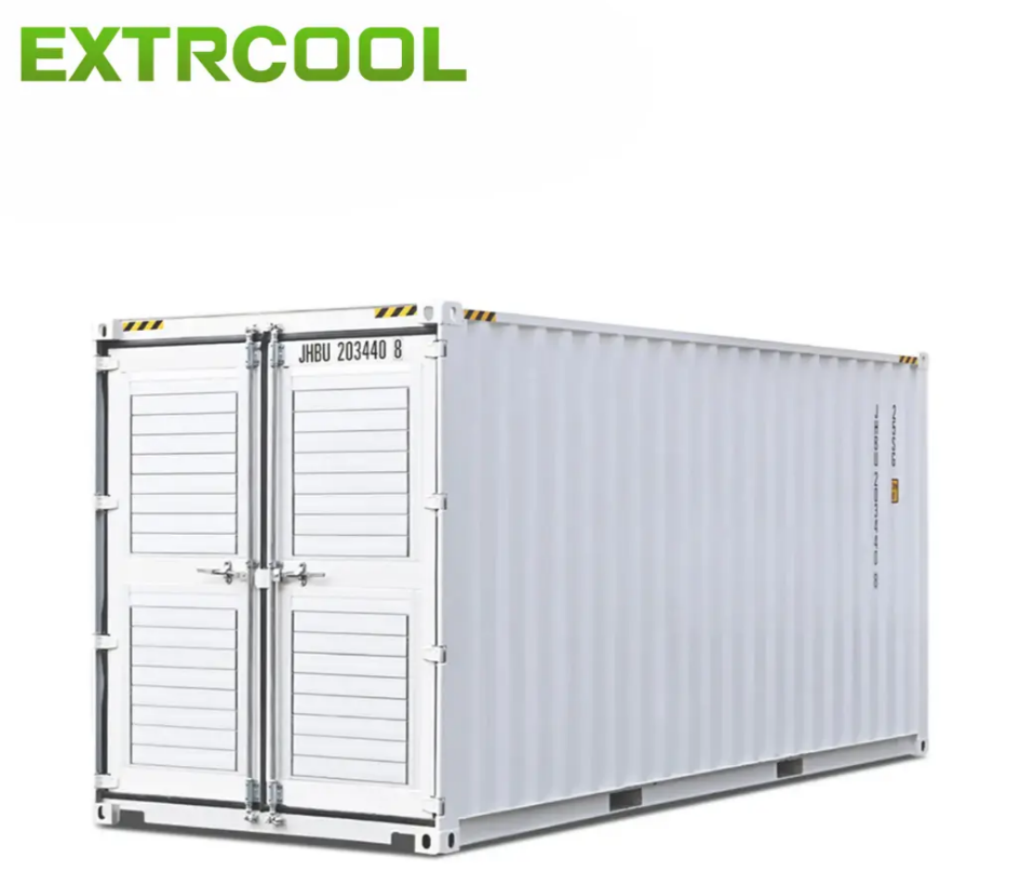
Foshan, Guangdong Sep 16, 2026 (Issuewire.com) - High-density artificial intelligence workloads produce thermal signatures that push traditional air-cooled infrastructure past its physical operational limits. When an AI development firm attempts to deploy a dense cluster of high-power graphics processors inside a standard remote facility, cooling fans quickly reach maximum velocity, ambient cabinet noise levels surge, and core thermal throttling triggers automated performance rollbacks. Air simply lacks the volumetric heat capacity needed to absorb thousands of watts generated within compact server chassis. Managing these concentrated heat loads requires specialized thermal transport mechanisms that can continuously absorb and transport megawatt-scale thermal energy away from sensitive silicon components. Rather than relying on rigid, pre-configured hardware enclosures, modern deployment frameworks use custom liquid cooling container data center solutions designed directly around the specific compute demands, hydraulic dynamics, and environmental profile of each site.
Defining Customization Parameters: Workload and Location
Designing a containerized thermal system starts by evaluating specific compute density targets and regional weather patterns. Next-generation server architecture, such as dense rack nodes powering specialized machine learning models or high-power NVIDIA NVL72 configurations, requires direct-to-chip liquid cooling setups that can absorb massive localized heat outputs without overflowing room thermal capacities. Extrcool Industry Limited configures each unit around these exacting heat specifications, determining total heat removal capacity, fluid pressure requirements, and manifold flow balancing before finalizing physical layout choices.
Operating environments dictate external enclosure protection levels and structural designs. A remote processing site in an arid region with high ambient temperatures and windblown sand requires different thermal protection and heat rejection setups compared to a high-humidity coastal facility subject to salt spray corrosion. EXTRCOOL adjusts shell insulation thickness, anti-corrosion exterior coatings, ingress protection ratings, and overall footprint constraints, fitting complex cooling systems into standard 20-foot or 40-foot intermodal enclosures based on spatial limits, highway transport regulations, and site crane access constraints.
Internal Fluid Loop Integration: CDU, Manifolds, and Heat Exchangers
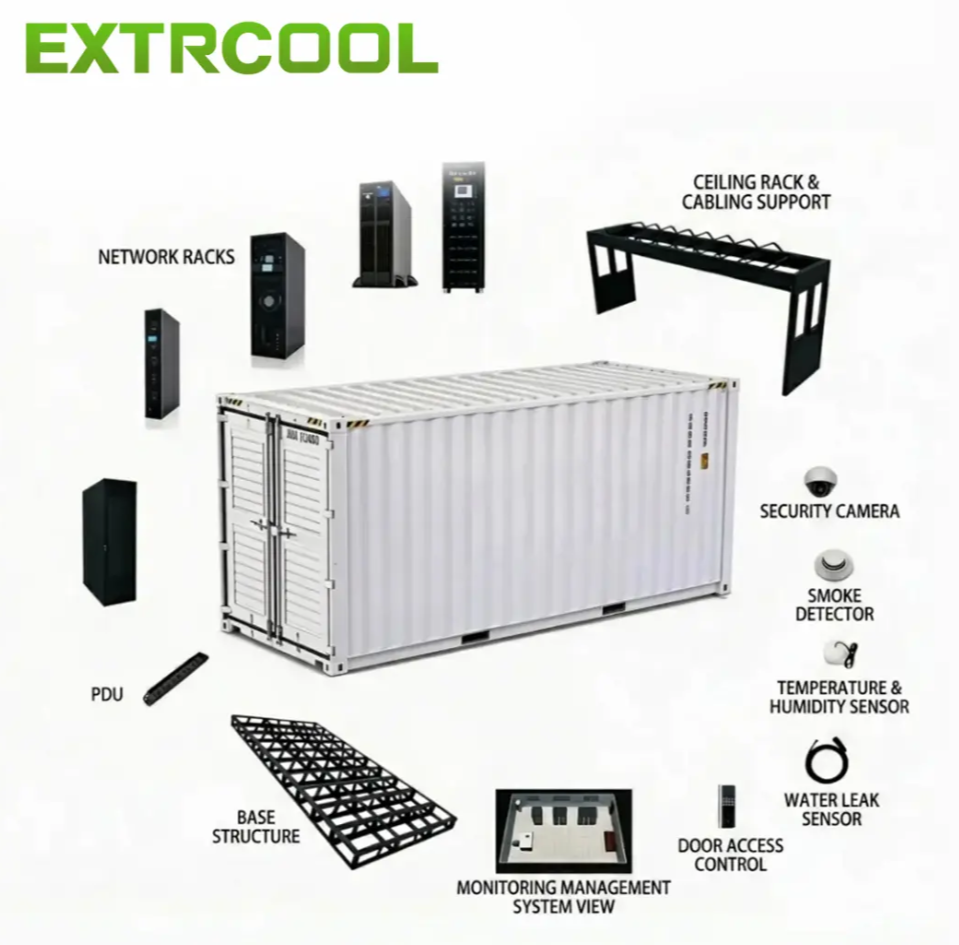
Inside the enclosure, thermal management relies on a closed-loop internal fluid loop where components interact smoothly under automated sensor guidance. Extrcool Industry Limited integrates liquid-to-liquid or air-to-liquid Coolant Distribution Units, stainless steel distribution manifolds, and rear door liquid cooling heat exchangers into a single, cohesive hydraulic system. Engineering teams size pump capacities, secondary loop flow rates, and internal filtration metrics based on dynamic thermal simulation modeling to eliminate localized hot spots across all active rack positions.
1. Coolant Distribution Units
Coolant Distribution Units deliver precise fluid flow rates, controlled operating pressures, and exact temperature differentials across primary and secondary cooling loops, ensuring that dielectric fluids or treated water mixtures remain within stable operational viscosity and temperature parameters.
2. Quick-Disconnect Assemblies and Secondary Piping
Deployment of custom liquid cooling container data center systems utilizes quick-disconnect fittings and corrosion-resistant secondary piping to prevent fluid leakage, suppress bacterial growth, and maintain fluid purity over years of continuous operation.
3. Stainless Steel Manifold Arrays
Stainless steel manifolds split flow evenly across every chassis level, utilizing balanced internal bore diameters to ensure uniform pressure distributions across every individual cold plate assembly across the entire cabinet depth.
4. Rear Door Heat Exchangers
Rear door heat exchangers capture residual ambient heat dissipated from non-liquid-cooled server components, such as memory modules and voltage regulators, keeping internal cabinet air temperatures completely neutral and reducing auxiliary fan energy usage.
Outdoor Enclosure Engineering and Dry Cooler Matching
Exterior heat rejection equipment must match the internal fluid loop to maintain low energy usage across changing seasonal ambient conditions. EXTRCOOL pairs custom liquid cooling container data center configurations with free-cooling dry cooler systems designed for specific climate profiles. When ambient temperatures drop below target return fluid thresholds, these systems automatically bypass active mechanical chillers, relying entirely on ambient air to reject heat and reducing overall facility electrical consumption.
The physical container acts as the first line of defense against harsh weather conditions and mechanical damage. Extrcool Industry Limited builds liquid cooling container data center solutions using weather-resistant, multi-layered insulated panels that prevent internal surface condensation and shield sensitive IT equipment from blowing dust, torrential rain, and continuous solar thermal radiation loading. Integrated sensing networks track moisture levels, secondary loop fluid pressure drops, and primary pump operational status in real time, automatically adjusting valve positions and alerting off-site facility operators if fluid parameters drift away from prescribed baseline windows.
Deployment Process and Field Integration
Transitioning from initial thermal concepts to working field facilities follows a systematic five-step engineering workflow that simplifies site installation and shortens commissioning timelines:
- Site assessment and computational fluid dynamics modeling establish precise thermal heat loads, structural loading limitations, and local atmospheric weather baselines for the targeted installation region.
- Hydraulics engineering teams match CDU pump output, internal piping diameter, manifold branch sizing, and external dry cooler radiator capacities directly to the expected compute density.
- Factory assembly, hydrostatic pressure testing, and thermal load simulation occur inside controlled manufacturing facilities to verify fluid tightness and thermal performance prior to physical shipping.
- Transport and quick-connect site assembly allow field technicians to position the enclosure, secure external power runs, and connect pre-plumbed secondary plumbing lines with minimal site disruption.
- Automated remote monitoring integration connects internal sensor networks to central facility management dashboards, enabling continuous oversight of flow rates, temperature deltas, and system health.
Factory-prefabricated infrastructure allows data center operators to expand computing capacity rapidly without undertaking months of expensive, disruptive site construction. Implementations featuring custom liquid cooling container data center solutions arrive on-site fully assembled, pressure-tested, and ready for immediate service connection. By matching specialized thermal hardware directly to exact compute requirements, EXTRCOOL helps data center operators maintain stable operational conditions, target a Power Usage Effectiveness below 1.05, and scale server density reliably.
For detailed technical specifications and custom thermal engineering inquiries, please visit https://www.extrcool.com/
Media Contact
Extrcool Industry Limited
No., 1003 Tianfulai Industrial Zone, Shunde, Foshan of Guangdong China
Source :Extrcool Industry Limited
This article was originally published by IssueWire. Read the original article here.

FTC's costly crackdown on conglomerates generates little return
The Fair Trade Commission’s (FTC) increasingly aggressive crackdown on major conglomerates is generating a costly cycle with little tangible return, as the watchdog has been forced to refund billions of won in fines overturned by courts. The watchdog has returned nearly 290 billion won ($216.7 million) to companies since 2022 after administrative court rulings overturned its sanctions. The figures raise questions about whether the regulator’s tougher enforcement produces lasting results or simply creates more legal and financial burdens for both businesses and taxpayers. The latest figures offer little reassurance. For the first nine months combined this year, the FTC returned 23 billion won in fines and associated payments, with 99.7 percent of the amount attributable to sanctions overturned in whole or in part through administrative litigation, according to data submitted to Rep. Choi Eun-seok of the main opposition People Power Party. But the regulator is moving in the opposite direction. Since President Lee Jae Myung took office last year, the government has pushed to strengthen

The AI promise was automation. The reality? Managing digital workers
When artificial intelligence agents first arrived, they came with a tantalising promise: autonomous “digital workers” that would finally free humans from corporate drudgery. As businesses across Asia are discovering, however, the reality is quite the opposite – more work, new friction and a whole new layer of management. When Xiao Mengjie, an AI product marketing manager at a Big Tech firm in Shanghai, recently assigned two AI agents what she described as a simple task, she expected efficiency....
[Reporter's Notebook] FTC's costly crackdown on conglomerates generates little return
The Fair Trade Commission’s (FTC) increasingly aggressive crackdown on major conglomerates is generating a costly cycle with little tangible return, as the watchdog has been forced to refund billions of won in fines overturned by courts. The watchdog has returned nearly 290 billion won ($216.7 million) to companies since 2022 after administrative court rulings overturned its sanctions. The figures raise questions about whether the regulator’s tougher enforcement produces lasting results or simply creates more legal and financial burdens for both businesses and taxpayers. The latest figures offer little reassurance. For the first nine months combined this year, the FTC returned 23 billion won in fines and associated payments, with 99.7 percent of the amount attributable to sanctions overturned in whole or in part through administrative litigation, according to data submitted to Rep. Choi Eun-seok of the main opposition People Power Party. But the regulator is moving in the opposite direction. Since President Lee Jae Myung took office last year, the government has pushed to strengthen
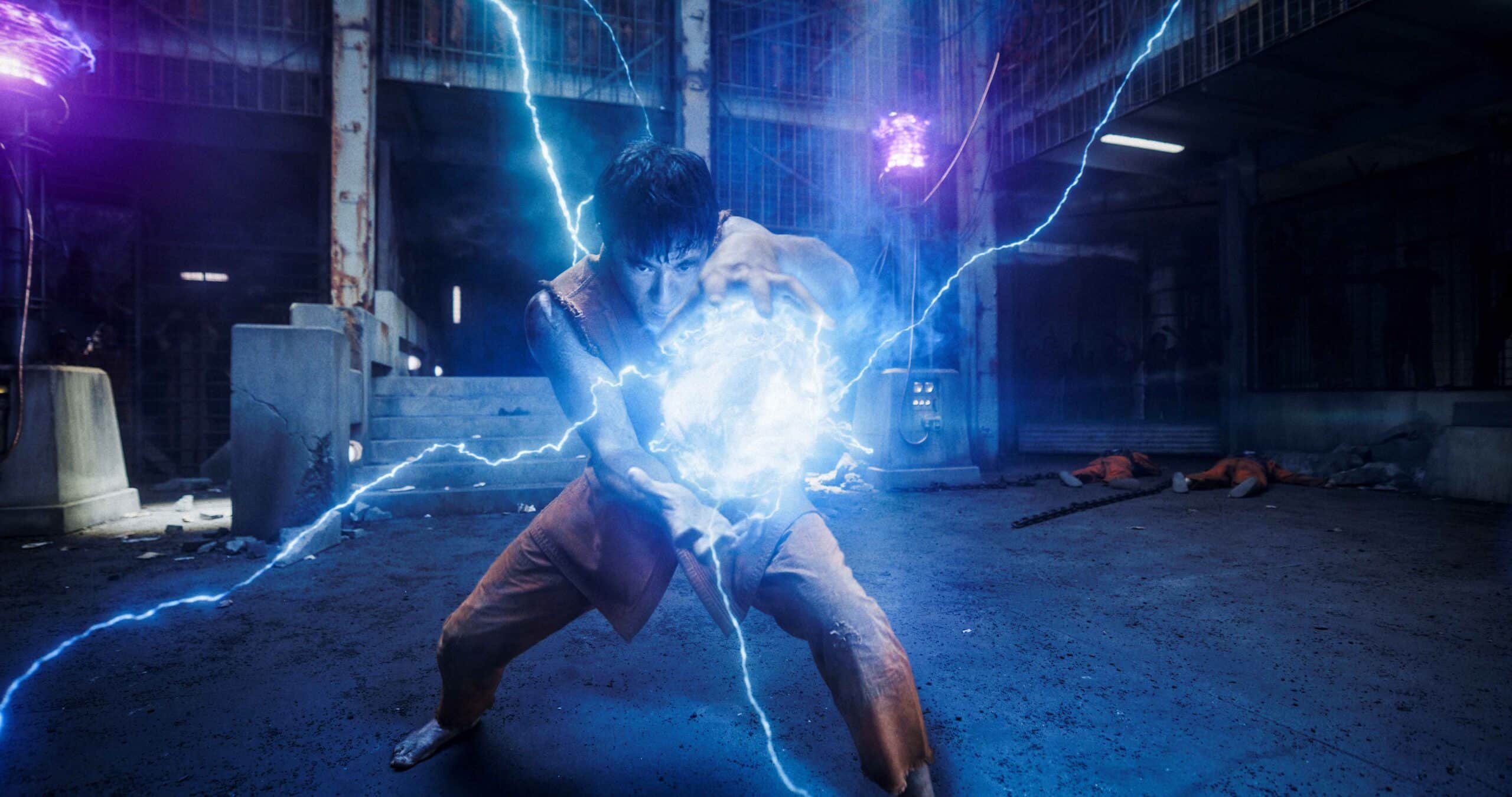
Street Fighter: a fighting game movie that fans must see
MANILA, Philippines – For nearly four decades since it started out as a small arcade game and eventually turned into the fighting game franchise powerhouse it is today, Capcom’s Street Fighter series is as universally recognizable as every iconic property and brand known in popular culture. The series has undergone several evolutionary leaps since it
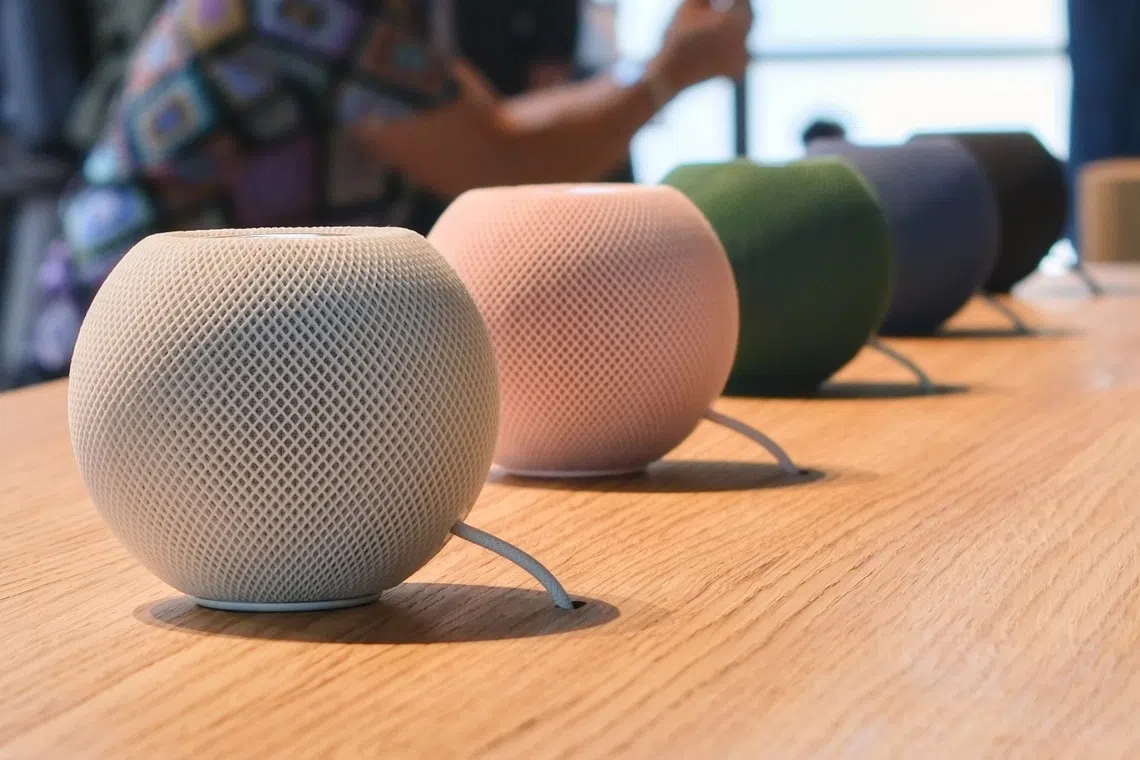
Apple’s new HomePod mini 2 speakers feature Sound Glow and will eventually support Siri AI
It’s been six years since the first HomePod mini, so now we are getting a much-needed update to keep it fresh.

Meta wants to put more AI technology on our faces
At Meta Connect 2026, Meta unveiled its latest AI glasses, shared how they’re bringing the Muse personal AI agent to glasses, and introduced the all-new Meta VR Glasses.
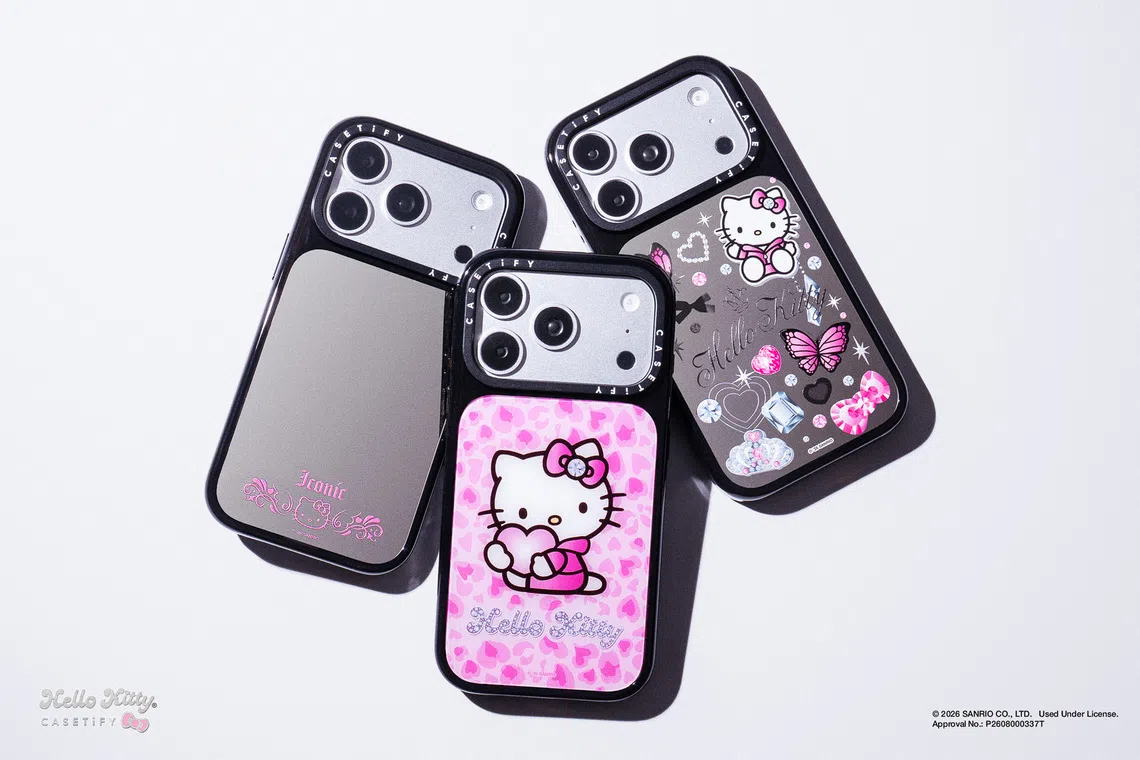
Casetify gives Hello Kitty a very Y2K makeover with its latest collection
Leopard prints, hot pink and sticker-covered cases bring early-2000s visuals to iPhones and other accessories.
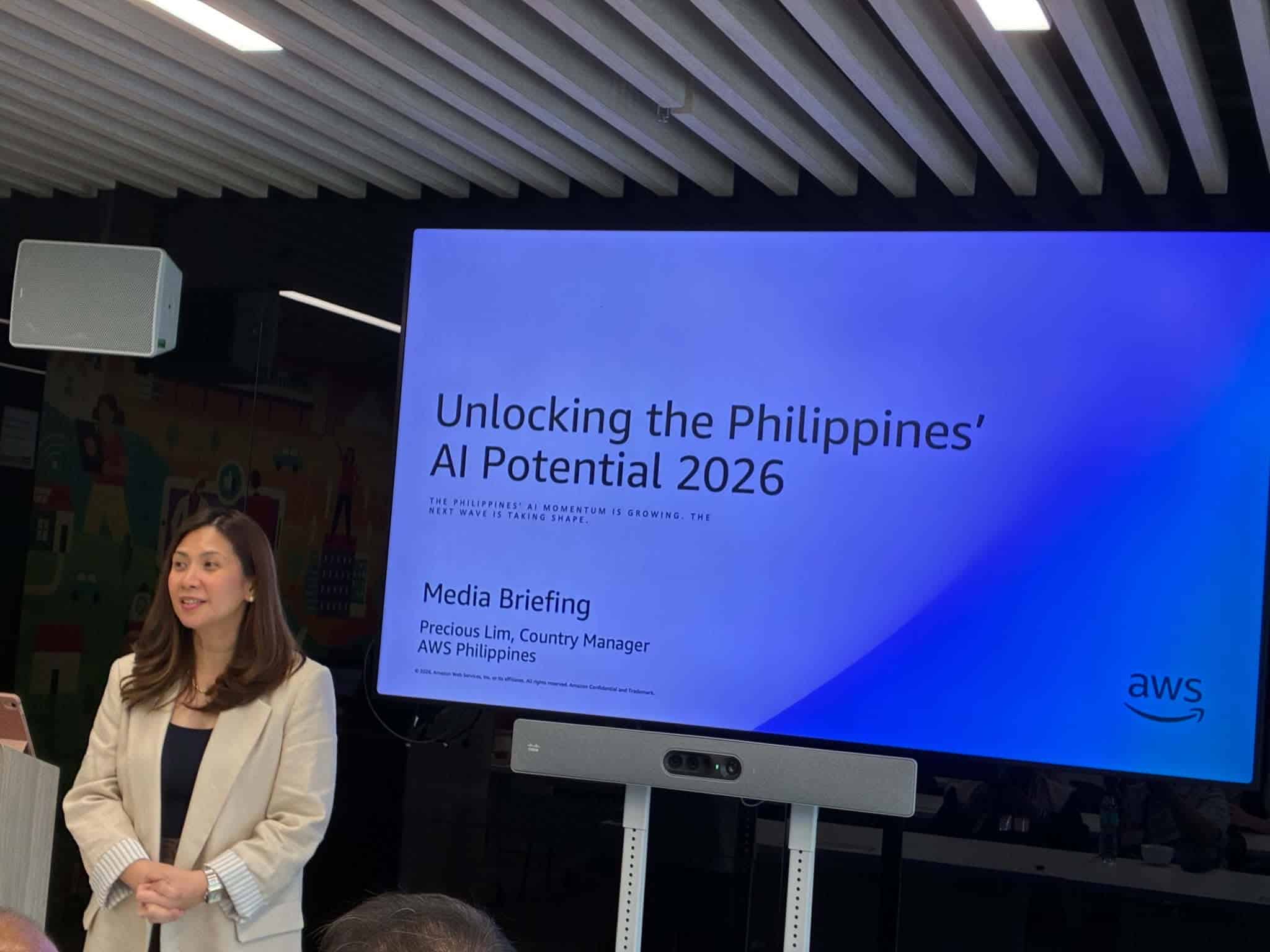
Only 17% of Philippine businesses have a roadmap to scale AI
Only 17% of businesses in the Philippines have a roadmap for scaling artificial intelligence (AI), highlighting a gap between growing adoption of the technology and companies’ ability to integrate it more deeply into their operations. The finding comes from Unlocking the Philippines’ AI Potential 2026, a report commissioned by Amazon Web Services (AWS) and conducted

Securing equipment emerges as new variable for Korea's chip expansion plans
Securing equipment for manufacturing advanced memory chips is emerging as a new variable in Korea's plans to expand semiconductor production capacity through large-scale industrial clusters, after ASML, the dominant supplier of advanced chipmaking equipment, warned that its current production plans may not be sufficient to meet demand in 2027 and 2028. During its earnings call Wednesday, ASML CEO Christophe Fouquet said the company's plans to increase its production capacity for advanced chipmaking equipment by 30 percent in 2027 and another 30 percent in 2028 would likely not be enough to meet customer demand. “Last quarter, we talked about 30 percent more capacity next year, and also the aspiration to have another 30 percent increase in 2028,” Fouquet said. “But to be honest, it's becoming very clear that 30 percent in 2027, 30 percent in 2028 will not allow us to meet our customer demand.” According to the company, the planned capacity increases cover both low-numerical-aperture extreme ultraviolet (low-NA EUV) lithography equipment and deep ultraviolet (DUV) immersion system

Musinsa teams up with Japan's ZOZOTOWN for 1st Korean pop-up
Fashion platform Musinsa has teamed up with ZOZOTOWN, one of Japan's leading online fashion retailers, to open a pop-up store in Seongsu-dong, Seoul, a popular destination for young consumers. Musinsa opened the doors to ZOZOTOWN in Musinsa, the Japanese platform’s first official pop-up store in Korea, to the media on Friday. The pop-up will run through Oct. 31, while an accompanying online promotion will continue until Nov. 16. Launched in 2004, ZOZOTOWN features more than 11,000 brands and serving over 13 million customers annually. Fifteen Japanese fashion brands available on the platform, including Snidel and Grancy, are participating in the event. The pop-up’s concept, ZOZO is Coming to Town, draws inspiration from Korean streets. Crosswalks, road markings and oversized three-dimensional typography have been incorporated into the space to create the impression of an intersection where Korean and Japanese fashion meet. The pop-up follows the signing of a memorandum of understanding between the two platforms in December 2024 to establish a strategic partnership. In November last y
China’s proposed AI tech export bans may create short-term costs, long-term gains: analysts
China’s proposed export bans and controls of artificial intelligence technologies aim to tighten Beijing’s grip in the strategically vital sector, casting a cloud over the commercial prospects of domestic model developers in the global AI race, analysts say. The new measures come as concerns mount globally over the risks of advanced AI systems, following a string of recent cyberattacks, while also underscoring AI’s growing national security importance for both Beijing and Washington. Zhang Yi,...
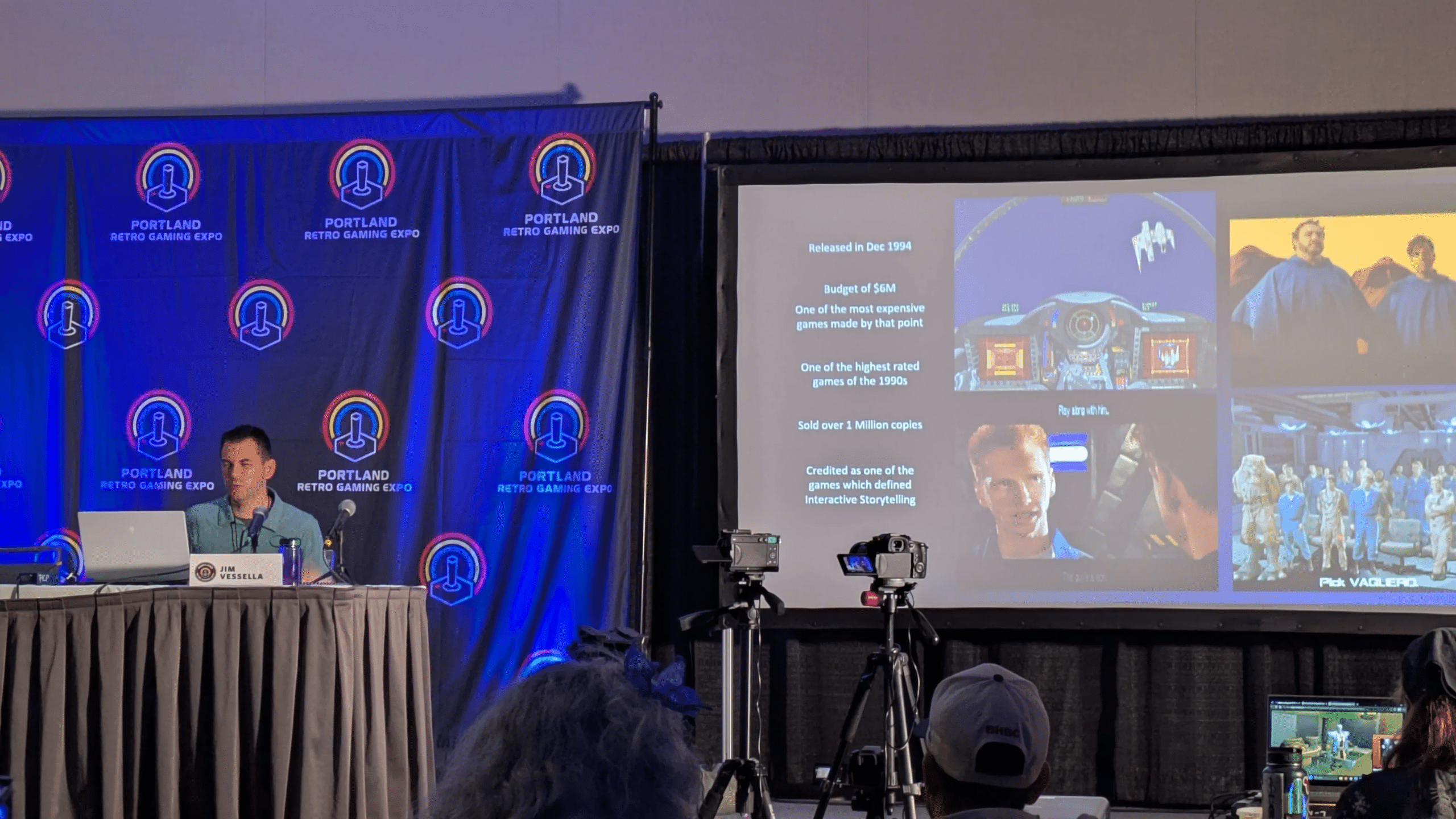
EA producer confirms the return of Wing Commander
MANILA, Philippines – A panel at the Portland Retro Gaming Expo on game preservation revealed that the master tapes containing high quality source video for Wing Commander III were located. The contents of these tapes will now undergo restoration and preparation is at work for a new release of the game, tentatively called Wing Commander





YOUR NEWS, OUR NETWORK.
Do you have Great News you want to tell the world?
Be it updates about your business or your community, you can make sure that it’s heard by submitting your story to our network reaching hundreds of news sites across 6 verticals.