
Boao Expands the Conversation Around Industrial Applications as a Professional Conveyor Belts Manufacturer In China
Nov 5, 2026
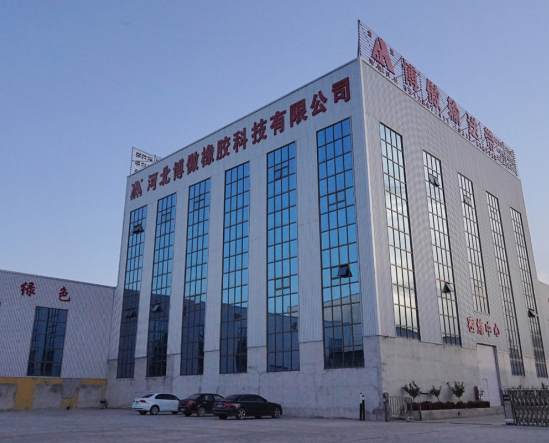
Baoding, Hebei Nov 5, 2026 (Issuewire.com) - A Professional Conveyor Belts Manufacturer In China is expected to do more than supply standard conveyor products. Industrial operators need conveying solutions that correspond to the materials being transported, production line layouts, and working environments. Abrasive materials, elevated temperatures, chemical exposure, low-temperature conditions, and steep conveying angles all place different demands on belt construction. Boao addresses these requirements through its conveyor belt portfolio, supporting accessories, manufacturing capabilities, and technical services.
Operating as Hebei Boao Rubber Technology Co., Ltd., Boao is based in the Rubber Industrial Park of Boye County, Baoding, Hebei Province. Established in 2004, the company integrates product development, research, design, manufacturing, and business services for conveyor belts and conveyor machinery accessories. Its Jinao brand product range supports material transportation requirements across multiple industrial sectors.
A Product Range for Different Material-Handling RequirementsGeneral-Purpose and Fabric-Core Conveyor Belts
General-purpose conveyor belts remain essential in facilities that move materials between production, processing, and storage areas. Boao's range includes NN, EP, and PP conveyor belts, providing options for different conveying conditions and equipment configurations.
EP conveyor belts use polyester and nylon fabric reinforcement. This construction is commonly selected where dimensional stability, controlled elongation, and dependable operation under load are important. NN conveyor belts use nylon fabric and offer flexibility and impact resistance, characteristics that can be useful in bulk-material handling systems. The final selection depends on belt tension, conveying distance, loading conditions, pulley dimensions, and the properties of the transported material.
Belts for Heat, Cold, Oil, and Chemical Exposure
Industrial facilities do not always operate under ordinary environmental conditions. Cement, metallurgy, power generation, fertilizer production, and chemical-related operations may expose belts to heat, cold, oil, or corrosive substances. Boao's product range includes heat-resistant, high-temperature-resistant, cold-resistant, oil-resistant, and acid-and-alkali-resistant conveyor belts.
These specialized products address different operating challenges. Heat-resistant belts are relevant to processes involving hot materials, while cold-resistant constructions are designed for environments where low temperatures can affect rubber flexibility. Oil-resistant and acid-and-alkali-resistant belts are considered where contact with particular substances may damage conventional rubber covers. Correct specification requires identifying the actual material, temperature, concentration, and operating conditions rather than relying on a product category name alone.
Patterned, High-Inclination, and Edge Conveyor Belts
Conveyor layout also influences belt selection. Boao supplies patterned conveyor belts, including chevron and pit patterns, as well as high-inclination and wavy-edge conveyor belts. Surface patterns can improve grip between the belt and conveyed material in suitable applications. High-inclination and edge constructions are used where conventional flat belts may not provide sufficient material retention.
The company also lists pipe conveyor belts, steel wire rope core conveyor belts, anti-tear steel wire rope core products, and rubber lifting conveyor belts. These options extend its portfolio to different conveying structures and operating demands. Selection should consider system design, conveying routes, material behavior, and the technical requirements of the complete conveyor.
Conveyor Accessories and Manufacturing Processes
A conveyor system depends on coordinated components. Alongside belts, Boao supplies conveyor machinery accessories, including ceramic rollers, buffer rollers, roller groups, electric rollers, rubber-coated rollers, drive rollers, magnetic rollers, brackets, and supporting components. Offering belts and related accessories within the same product portfolio allows buyers to consider the conveying system as a connected arrangement.
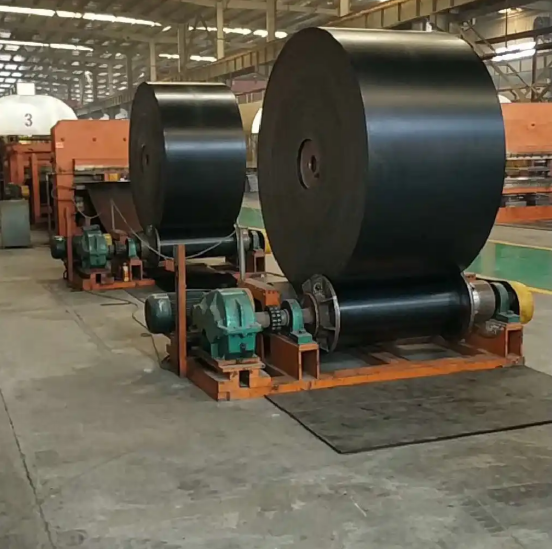
Manufacturing consistency is central to this work. Boao's facilities include production lines and equipment for rolling, forming, vulcanization, and rubber testing. These processes influence the structure and quality of rubber conveyor belts, from material preparation through the formation and bonding of belt layers. The company also incorporates product development, research, and design into its operations, connecting manufacturing with the requirements of different applications.
Quality Control and Technical Support
For industrial buyers, product selection is only one part of managing conveyor performance. Material quality, belt construction, installation, joint condition, tracking, and routine maintenance can all affect service life and operating continuity.
Boao maintains an independent chemical analysis room and physical testing laboratory. Its quality-control approach includes monitoring stages from raw-material procurement to finished-product delivery, supported by professional inspectors, testing equipment, and inspection methods. The company also reports international quality management system certification. These measures help monitor material and production consistency before products enter industrial service.
Its technical service plan covers planned conveyor belt replacement, inspection, maintenance, repair, and emergency repair. The stated service scope also includes the supply of belts and rubber materials, safety-stock arrangements, inventory storage, planned bonding, and rubber surface maintenance. Such support is relevant to plants where conveyor interruptions can affect multiple production stages. Maintenance planning, timely inspection, and appropriate repair work can help operators manage wear and reduce avoidable disruption.
Industrial Applications and Project References
Boao identifies steel, metallurgy, coal, cement, power generation, fertilizer, grain storage, and port operations among the industries using its products. These sectors illustrate why a single belt specification cannot meet every conveying requirement. Coal and mining-related operations often handle bulk materials over extended routes; cement and mixing facilities move aggregates and production materials; steel and metallurgical plants may require belts suited to demanding material and temperature conditions. Grain depots and ports have their own requirements for handling, transfer, and storage.
The company's published collaboration and project references include China Railway Group Mixing Plant, Conch Cement, Datong Coal Group, Tsingshan Group, Jidong Cement Group, Jinmei Group Coal Conveying Line, Taihang Steel, and Puyang Steel Group. These references indicate the range of industrial environments represented in its project portfolio. Each installation has its own technical requirements, and product selection needs to reflect the actual working conditions rather than assume identical specifications across different facilities.
Industry Developments and Application-Based Selection
Industrial conveyor systems are increasingly evaluated in terms of operating efficiency, maintenance requirements, workplace conditions, and material containment. This places greater attention on application-specific belt materials, suitable reinforcement structures, and conveying designs that match individual production processes. Dust control and spillage prevention are also relevant considerations in bulk-material handling, particularly around storage and transfer areas.
Buyers are also considering the full operating cycle of conveyor equipment. A belt that is appropriate for the material and environment, correctly installed, and inspected at suitable intervals can contribute to more predictable maintenance planning. Manufacturers therefore need to connect product range, production control, testing, and technical support rather than treat belt supply as a standalone transaction.
Boao's Role in Industrial Conveyor Applications
As a Professional Conveyor Belts Manufacturer In China, Boao brings together a broad range of Jinao conveyor belts, related machinery accessories, manufacturing processes, quality inspection, and technical services. Its products address general material transportation as well as specialized conditions involving temperature, oil, chemical exposure, inclined conveying, and different conveyor structures.
The company's manufacturing base, testing facilities, industrial application coverage, and published project references provide context for its position in the conveyor belt sector. For industrial users, the central consideration remains matching belt construction and supporting services to the actual demands of each site. More information about Boao's products, equipment, project references, and services is available at official website: https://www.boaorubber.com/.
Source :Hebei Boao Rubber Technology Co., Ltd.
This article was originally published by IssueWire. Read the original article here.

The hardest part of sustainability innovation begins after the pilot
For years, sustainability innovation has focused on a familiar question: Does the technology work? It is an important question. But increasingly, I believe the most useful question is what it would take to put that technology into practice. The startups participating in the PepsiCo Greenhouse Program APAC 2026: The IMPACT Edition had already spent years […] The post The hardest part of sustainability innovation begins after the pilot appeared first on e27.
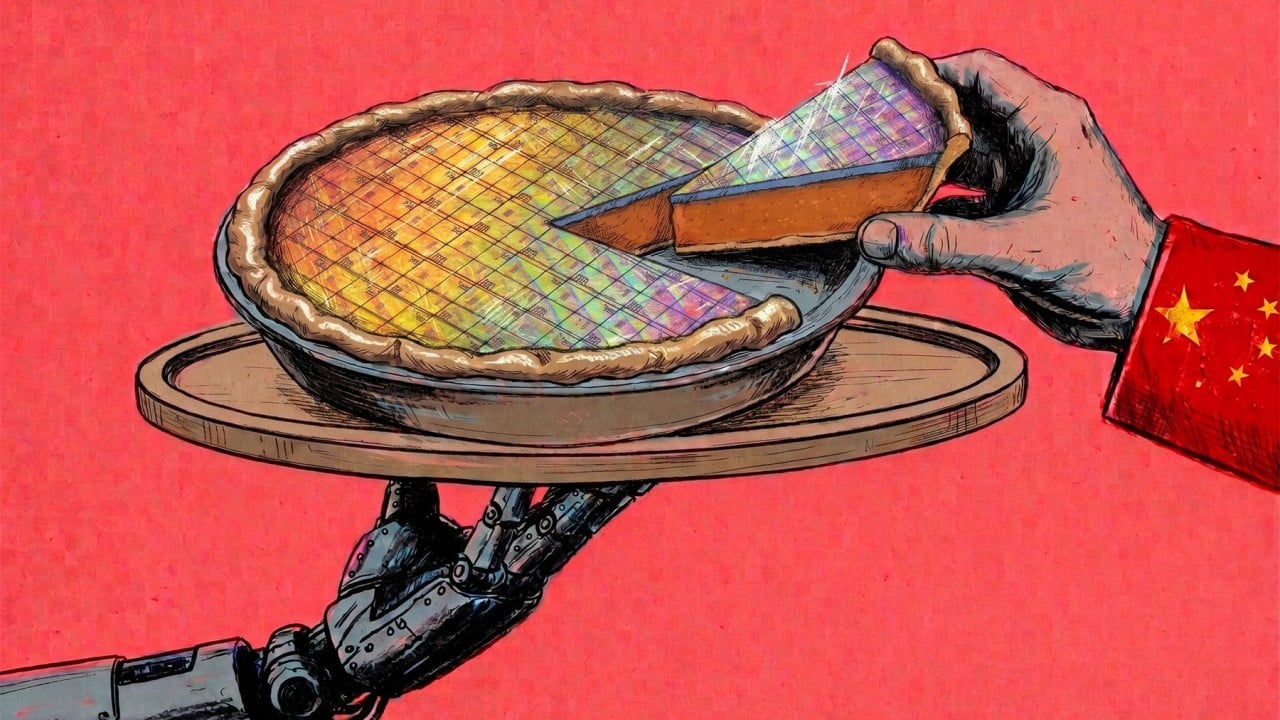
China’s memory chipmakers are catching up to industry leaders. What happens when they do?
This article was first published by The Korea Times in a partnership with the South China Morning Post. Riding a two-year artificial intelligence boom, China’s domestic memory chipmakers have grown faster and bolder than ever – but early signs of a market cool-down threaten to test their momentum. China’s two biggest champions in memory chip self-sufficiency, ChangXin Memory Technologies (CXMT) and Yangtze Memory Technologies (YMTC), have leveraged state backing, new factories and advancing...
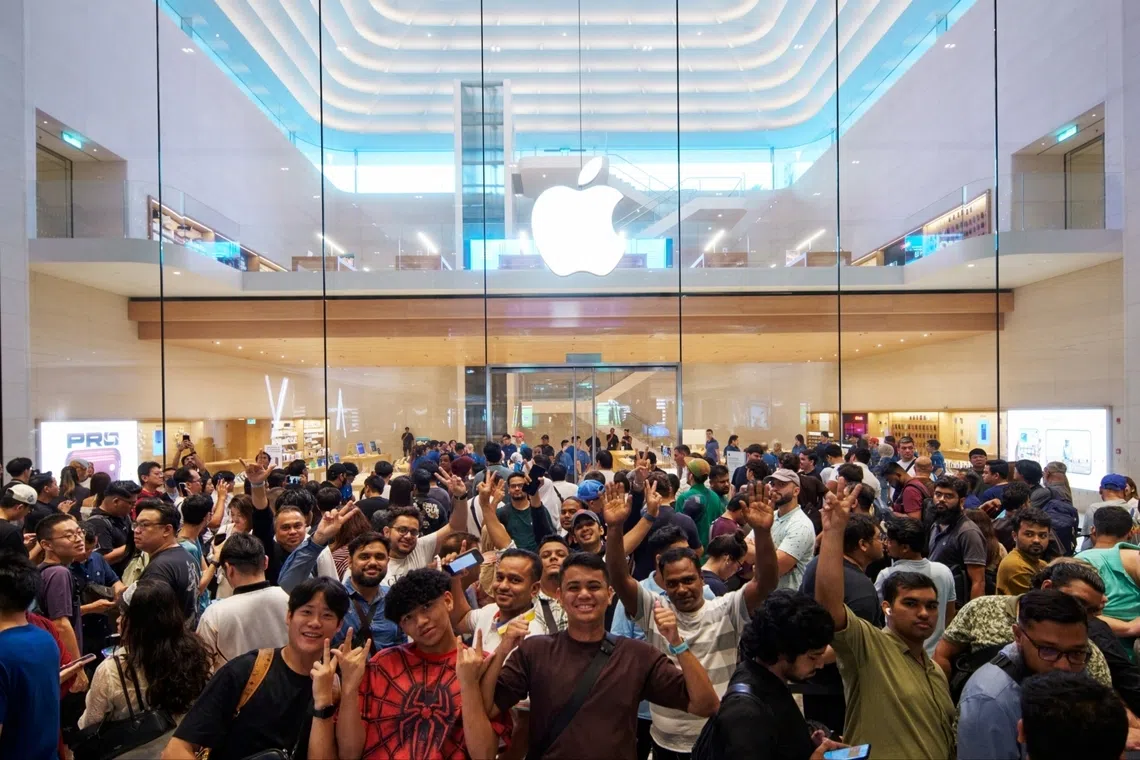
Apple reportedly has up to 18 products lined up for release in 2027
Next year is shaping up to be a very busy period for Apple.
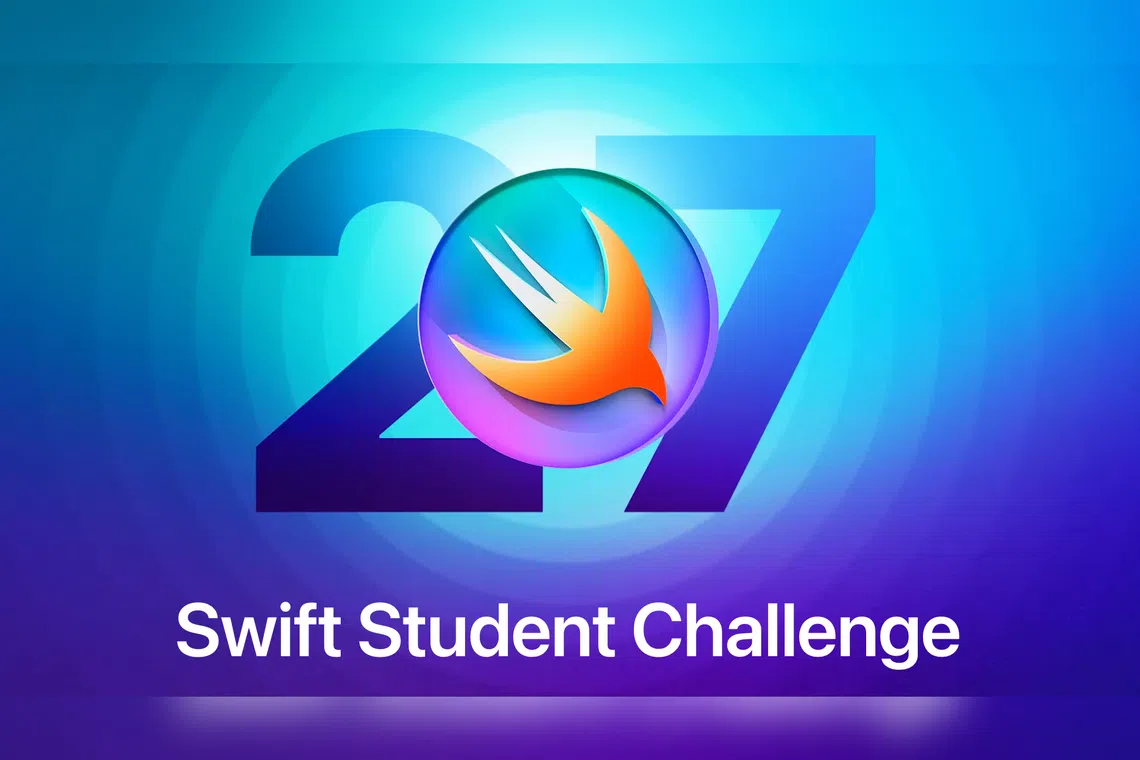
Apple’s Swift Student Challenge returns on 8 February 2027, now open to apps across all Apple platforms
Aspiring student developers can now build apps for anything from the iPhone and Apple Watch to the Apple Vision Pro.
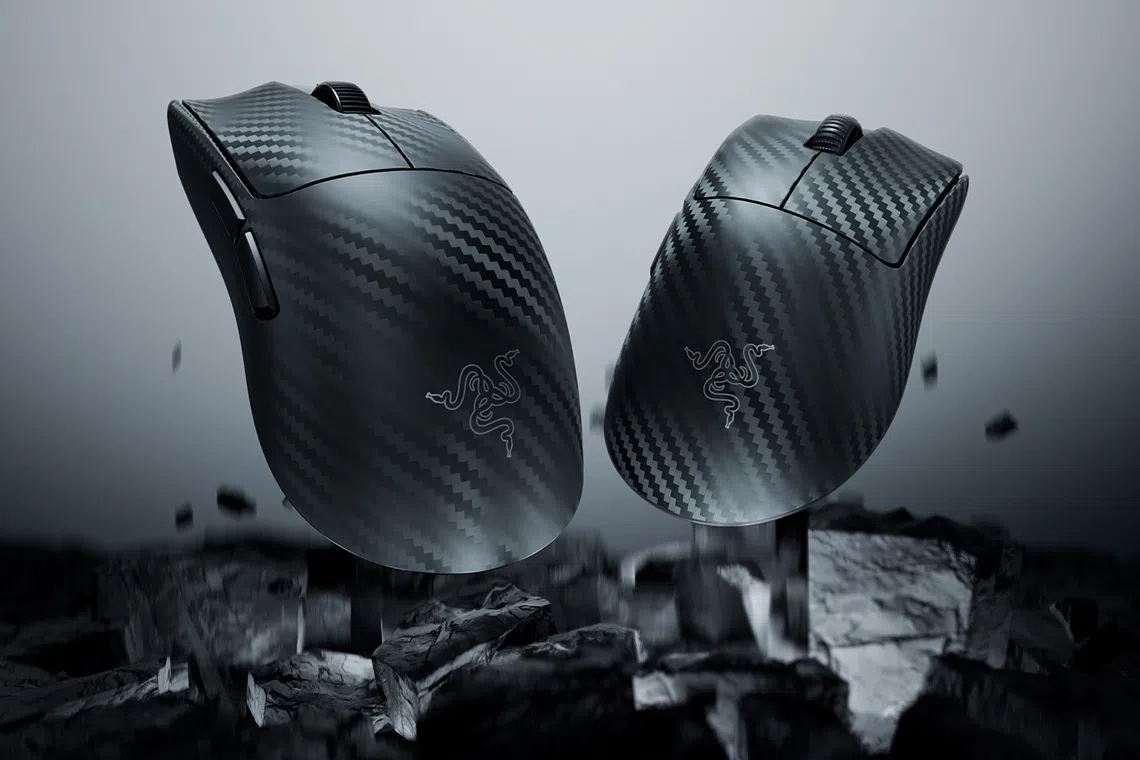
Razer takes a cue from motorsport with new Carbon Fiber Collection gaming mice
The Viper V4 Pro and DeathAdder V4 Pro are the two mice that receive new carbon fiber shells.

Why we really fear AI
Recent public statements from Anthropic CEO Dario Amodei, OpenAI CEO Sam Altman, and xAI founder Elon Musk have supported slowing or more deliberately pacing the development of advanced AI. By contrast, NVIDIA CEO Jensen Huang has argued that development should continue, but companies should not release products they cannot demonstrate are safe. There is some […] The post Why we really fear AI appeared first on e27.
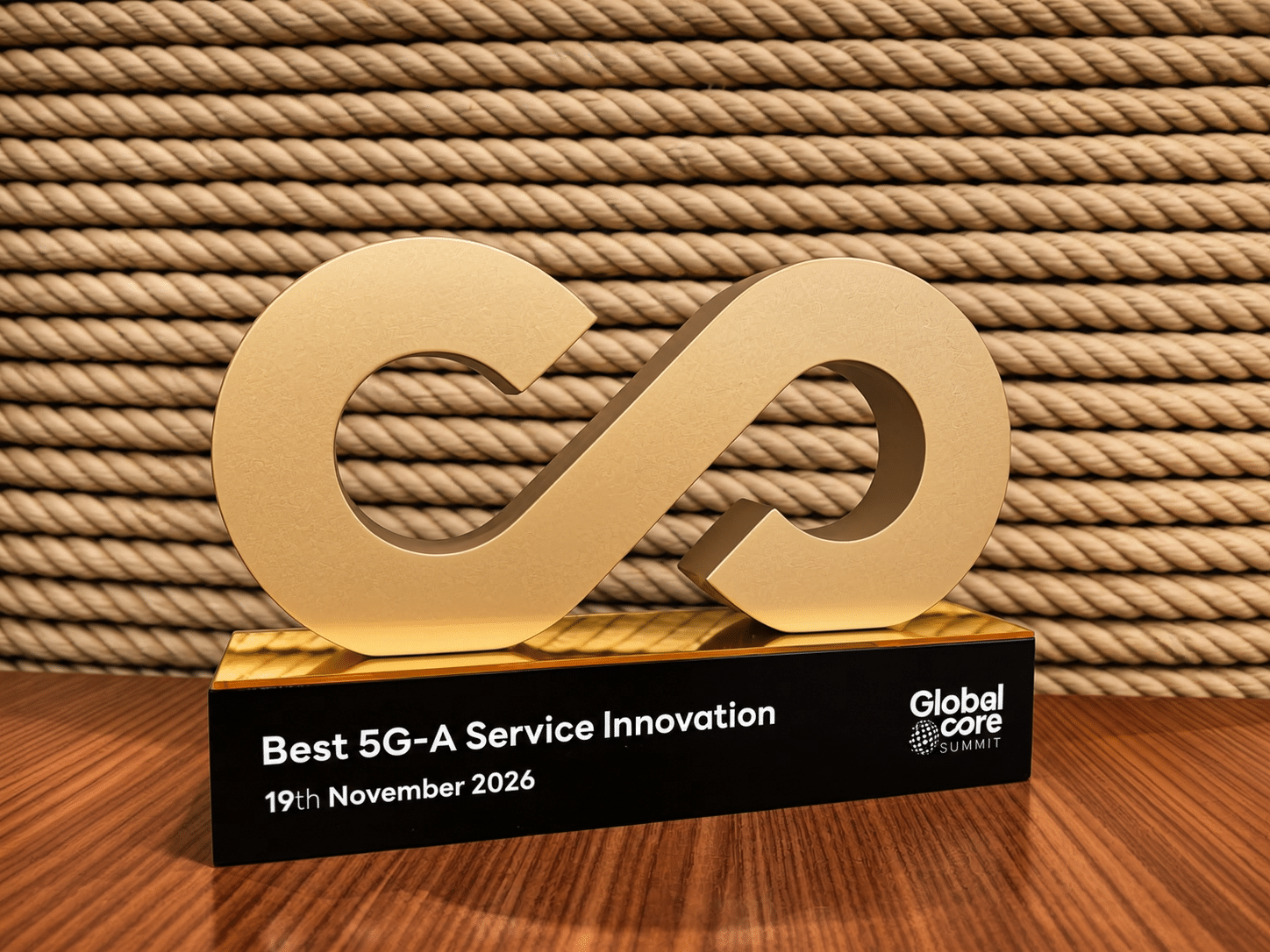
A local company won a global award for noise-cancelling innovation
Mobile services provider Smart Communications, Inc. (Smart), the wireless subsidiary of PLDT Inc. has bagged the Best 5G-A Service Innovation at the Global Core Summit Awards in Bangkok, Thailand, for PureVoice, Asia-Pacific’s first commercially launched native artificial intelligence (AI) voice enhancement service built on the core network. Smart was the only Philippine telecommunications company shortlisted

US ports face onslaught of cyber attacks
A number of ports across the U.S. are reporting an onslaught of cyberattacks amid a growing number of AI-enabled attacks targeting notable infrastructure. The Port of Corpus Christi, Texas, which functions as the U.S.’s largest passage of oil exports, said it was targeted with “hundreds if not thousands” of attacks per day, according to reporting from...

NAVI crowned Brawl Stars World Champions after thrilling grand final in Tokyo
From the Last Chance Qualifier to world champions, NAVI complete an incredible run with a dramatic victory over FUT Esports.

Herbalife Korea builds next chapter on 30 years of trust
Herbalife Korea’s next phase of growth will depend on lasting customer relationships rather than individual transactions, Herbalife Korea General Manager Sean Chung said, as the company marks its 30th anniversary in Korea by overhauling distributor compensation and introducing AI tools. The company’s history has been about helping Koreans build healthy nutrition habits, he said, arguing that sustainable growth comes from maintaining trust beyond a single sale. Since entering Korea in 1996, Herbalife has expanded from weight management products into everyday nutrition, protein, sports nutrition and beauty-related wellness as consumer priorities have evolved. Its first decade centered on its flagship Formula 1 shake brand, balancing nutrient intake and healthy eating habits in a market dominated by physical stores and face-to-face sales. From 2006 and 2015, the rapid growth of online shopping and hypermarkets intensified competition. During this period, Herbalife emphasized ongoing communication and communities that helped customers maintain habits they found difficult to sustain on t

SK chair urges Korea-Japan joint AI talent development program
SK Group Chairman Chey Tae-won has called for a fundamental overhaul of education to prepare for an artificial intelligence (AI)-native society, urging Korean and Japanese universities and businesses to jointly develop talent for the AI era. Chey made the remarks at Tokyo Forum 2026 on Saturday, emphasizing the need to redesign education systems for a society in which AI is accepted as an integral part of everyday life rather than simply used as a tool. The two-day forum, co-hosted by the Chey Institute for Advanced Studies and the University of Tokyo, started Friday under the theme "AI as a Transformative Technology: Humanity, Knowledge and Civilization." It brought together global experts, including French government AI envoy Anne Bouverot and Sakana AI co-founder Ren Ito. "An AI-native society is not one that simply uses AI, but one that accepts AI as an inherent part of its environment," Chey said during a business leaders' session moderated by University of Tokyo President Teruo Fujii. He joined NTT Group Chairman Jun Sawada, Taejae University President Yeom Jae-ho and Sophia Unive

Samsung Electronics, SK hynix dividend payout ratios surge through Q3 amid AI boom
Samsung Electronics and SK hynix saw their dividend payout ratios rise sharply through the third quarter under their shareholder return policies, data showed Sunday, amid the memory chip boom driven by artificial intelligence (AI). According to the companies' respective quarterly reports, Samsung Electronics' dividend payout ratio stood at 18 percent on a consolidated basis as of end-September, up from 4.1 percent at the end of the first half, while SK hynix's ratio rose to 8.4 percent from 0.4 percent over the same period. A dividend payout ratio refers to the proportion of a company's earnings distributed to shareholders as dividends, serving as an indicator of how a company allocates its profits. The sharp increases came as the two chipmakers announced plans to distribute sizable dividends to shareholders as part of their respective shareholder return policies. Samsung Electronics decided to pay 30 trillion won ($22.3 billion) in dividends for the third quarter, or 4,601 won per share, compared with 372 won per common share in the first quarter and 374 won in the second quarter. SK hyn

Peugeot moves car shopping to Naver


YOUR NEWS, OUR NETWORK.
Do you have Great News you want to tell the world?
Be it updates about your business or your community, you can make sure that it’s heard by submitting your story to our network reaching hundreds of news sites across 6 verticals.