
As a Global Leading High Index Lenses Factory, Kingway Organizes Single Vision and Photochromic Categories by Material
Sep 18, 2026

Danyang, Jiangsu Sep 17, 2026 (Issuewire.com) - For wholesale distributors, optical chain stores, and procurement teams seeking a reliable Global Leading High Index Lenses Factory, navigating extensive optical portfolios requires significantly more precision than simply selecting a refractive index. Established in 2011, Zhenjiang Kingway Optical Co., Ltd. organizes its single vision and photochromic lens categories by the specific material substrate rather than by index alone. This deliberate structural separation allows buyers to specify 1.61 MR8, 1.67 MR7, or 1.74 MR-174 high index optical lenses exactly, ensuring the underlying material matches the required frame geometry, coating configuration, and photochromic function. By decoupling the numeric index from the physical material during the request for quotation (RFQ) process, purchasing teams can secure accurate, high index lenses factory configurations that meet stringent technical demands, streamline laboratory processing, and support reliable global distribution.
High-Index Lens Selection Requires Both Refractive Index and Material
A higher refractive index allows an optical lens to bend light more efficiently, which supports a fundamentally thinner lens geometry for a given patient prescription and optical design. However, finished-lens weight, structural durability, and long-term optical performance also depend heavily on the inherent physical properties of the chosen material. Metrics such as specific gravity, which dictates material density, and the Abbe number, which measures optical clarity and chromatic aberration, interact directly with the selected frame size, center or edge thickness, and surface design. Relying on the refractive index alone does not define the complete physical lens, leaving critical performance, aesthetic, and laboratory processing variables entirely unaddressed in the supply chain.
For procurement teams, optical wholesalers, and prescription laboratories, the formal RFQ must explicitly name the material family when it forms part of the desired product configuration. Buyers should also keep the exact prescription constraints and frame conditions fully visible during the sourcing dialogue with the manufacturer. This precise level of specification is especially useful when comparing the 1.61 MR8, 1.67 MR7, and 1.74 MR-174 routes. Each substrate presents distinct tensile strengths, processing characteristics for edging and drilling, and unique optical clarity metrics that directly influence the success of the final eyewear assembly. When technical managers evaluate high-index options, recognizing that index and material are closely related but not interchangeable prevents costly procurement mismatches.
Kingway's Single-Vision High-Index Material Map
Kingway's comprehensive single-vision range deliberately separates distinct high-index product families rather than grouping them indiscriminately under one generic "high index" category. This clear, structured material map helps global sourcing teams connect the numeric refractive index directly with the physical substrate utilized in the specified lens. By mapping the inventory this way, Kingway enables distributors to align their wholesale purchasing with the specific processing capabilities of their downstream Rx laboratories.
1.61 MR8
The 1.61 route utilizes the highly regarded MR8 polymer within Kingway's single-vision taxonomy, creating a sharply defined material reference for buyers moving their inventory above standard-index resin products. A 1.61 MR8 high index lens offers an exceptional balance of refractive efficiency, manageable specific gravity, and a high Abbe number that minimizes color distortion. This specific combination makes the MR8 route a highly versatile and structurally robust choice for rimless or semi-rimless frames, where material toughness and resistance to cracking during the laboratory edging process are paramount operational requirements for optical dispensaries.
1.67 MR7
Kingway's 1.67 single-vision product strategically combines the MR-7 material substrate with an advanced aspheric geometry and a premium AR (anti-reflective) or HMC coating. These distinct specification fields--index, material, geometry, and surface treatment--demonstrate precisely why these factors must remain logically separate during procurement, even when they are ultimately sold, packaged, and shipped as one finished optical configuration. A 1.67 MR7 high index lens provides a noticeably thinner edge profile than the MR8 option, delivering enhanced aesthetic appeal for stronger prescriptions while maintaining reliable processing stability for complex laboratory requirements.
1.74 MR-174
The 1.74 single-vision product integrates the advanced MR-174 material with a specialized aspheric design and a durable super-hydrophobic coating route. Serving as the absolute highest-index route among these three material-specific options, Kingway's 1.74 MR-174 lens delivers an ultra-thin profile specifically tailored for patients with exceptionally high optical prescriptions. By explicitly specifying the MR-174 substrate, wholesale optical buyers ensure that they are acquiring a highly specialized high index lens designed to minimize edge thickness aggressively without fundamentally compromising the structural integrity or visual acuity of the finished eyewear product.
Photochromic High-Index Options Add a Functional Design Layer
Kingway's extensive photochromic lens range deliberately includes 1.61 and 1.67 Spin Photogray products, responding directly to market demands for advanced functionality combined with aesthetic thinness. These specific routes add a dynamic photochromic function to a higher-index assortment without altering the fundamental need for buyers to clearly define the underlying refractive index and optical design. High index photochromic lenses represent a distinct manufacturing process, applying sophisticated light-responsive spin-coating technology to advanced material substrates to serve specialized retail and clinical demands.
For global optical distributors and large-scale wholesalers, this architectural approach creates a separate, highly distinct selection branch from standard clear single-vision high-index lenses. A photochromic requirement should therefore be introduced into the RFQ as a secondary functional layer only after the foundational material or index route has been firmly identified and verified. Kingway manufactures optical lenses for global markets across a wide array of finished, semi-finished, photochromic, progressive, bifocal, and prescription families, providing a broader, highly structured sourcing context that supports the entire high-index product range.
Why a Thinner Lens Is Not Automatically a Lighter Finished Lens
The refractive index fundamentally dictates how strongly a specific material bends incoming light, which can significantly reduce the edge or center thickness required to fulfill a specific optical prescription. However, the raw material density, mathematically expressed as specific gravity, alongside the finished geometric shape, also critically influences the absolute final weight of the lens. Finished-lens weight therefore depends on a complex interplay between the material density, finished geometry, and refractive index. This means the substrate choice and frame dimensions remain inseparable, vital parts of the overarching selection decision for both wholesalers and clinicians.
This physical distinction is especially important in rigorous B2B product education because thinness and weight answer two entirely different physical questions during eyewear dispensing. A lens with a very high index might be exceptionally thin, but if its base material possesses a high specific gravity, the final product may not be significantly lighter than a marginally thicker lens manufactured from a less dense substrate.
Distributors can effectively leverage this clear material map to accurately explain to their downstream retail partners why two lenses with different refractive indices may also differ substantially in density, geometry, coating durability, and overall application fit. Technical teams and optical laboratory managers can communicate their chosen index far more accurately when the material, patient prescription, precise lens dimensions, and surface design are all documented as non-negotiable parts of the official procurement specification.
Build the Specification Around Prescription, Frame, Material, and Coating
A professional, wholesale-ready high-index RFQ should seamlessly connect the patient prescription constraints and frame dimensions with the precisely selected material or index, the optimal optical geometry (such as spherical or aspheric), the required coating configuration, and any specialized photochromic function. This comprehensive, highly structured data set gives the supplier enough actionable technical information to match an exact product route. It enables value-added services like customized envelopes and dedicated OEM processing, rather than attempting to quote pricing and production lead times from an isolated, insufficient index number alone.
This same conceptual separation also aggressively supports catalogue clarity for volume purchasers managing large optical inventories. B2B buyers can instantly distinguish a 1.67 MR7 clear aspheric lens from a 1.67 photochromic product within the Kingway portfolio, even though the headline refractive index is shared between the two distinct SKUs. Clear, segmented specifications streamline the entire procurement workflow, ensuring highly accurate order fulfillment, minimizing laboratory processing errors, and guaranteeing reliable delivery schedules for global wholesale operations.
High-Index Lens Sourcing FAQ
These targeted operational questions help optical distributors use standard index numbers effectively without inappropriately collapsing the crucial material and design decisions behind them.
Is Refractive Index the Same as Lens Material?
No. Refractive index is a quantifiable optical property determining light-bending efficiency, while selected Kingway high-index routes utilize distinct physical material families, such as MR8, MR7, and MR-174, each offering unique specific gravity, tensile strength, and Abbe number characteristics.
Which Material Is Used in Kingway's 1.67 Single-Vision Route?
Kingway's 1.67 aspheric single-vision product utilizes the proven MR-7 material substrate and incorporates an advanced AR (anti-reflective) coating to significantly enhance optical clarity and surface durability.
Which Material Is Used in Kingway's 1.74 Route?
Kingway's 1.74 single-vision product leverages the ultra-thin MR-174 material and integrates a high-performance super-hydrophobic coating configuration to serve the most demanding high-prescription requirements.
Are Photochromic Options Available Above 1.56?
Yes. Kingway's highly structured photochromic taxonomy includes specialized 1.61 and 1.67 Spin Photogray routes, expanding advanced light-responsive functionality directly into higher-index material categories.
What Should a High-Index RFQ Include?
A complete, factory-ready RFQ must explicitly state the precise prescription, frame or diameter constraints, the targeted index and material route, spherical or aspheric geometry where relevant, requested coating configurations, any necessary photochromic requirements, the order quantity, and specific customized envelope or packaging preferences.
Choose a Global Leading High Index Lenses Factory Configuration Around the Complete Optical Brief
A global high-index wholesale sourcing decision is at its strongest when the refractive index is meticulously evaluated alongside the underlying material, prescription parameters, frame geometry, protective coating treatments, and any required photochromic function. This holistic, data-driven approach gives a Global Leading High Index Lenses Factory request a technically complete, highly accurate basis for selecting seamlessly among Kingway's specialized, material-led optical routes. It reduces processing errors at the laboratory level and ensures superior product performance for the end user.
Send the complete high-index specification and customized configuration requirements directly through https://www.kingway-optical.com/ for precision product matching, comprehensive OEM packaging discussions, and formal wholesale quotation.

Source :Zhenjiang Kingway Optical Co., Ltd.
This article was originally published by IssueWire. Read the original article here.

Apple’s new HomePod mini 2 speakers feature Sound Glow and will eventually support Siri AI
It’s been six years since the first HomePod mini, so now we are getting a much-needed update to keep it fresh.

Meta wants to put more AI technology on our faces
At Meta Connect 2026, Meta unveiled its latest AI glasses, shared how they’re bringing the Muse personal AI agent to glasses, and introduced the all-new Meta VR Glasses.

Casetify gives Hello Kitty a very Y2K makeover with its latest collection
Leopard prints, hot pink and sticker-covered cases bring early-2000s visuals to iPhones and other accessories.

Only 17% of Philippine businesses have a roadmap to scale AI
Only 17% of businesses in the Philippines have a roadmap for scaling artificial intelligence (AI), highlighting a gap between growing adoption of the technology and companies’ ability to integrate it more deeply into their operations. The finding comes from Unlocking the Philippines’ AI Potential 2026, a report commissioned by Amazon Web Services (AWS) and conducted

Securing equipment emerges as new variable for Korea's chip expansion plans
Securing equipment for manufacturing advanced memory chips is emerging as a new variable in Korea's plans to expand semiconductor production capacity through large-scale industrial clusters, after ASML, the dominant supplier of advanced chipmaking equipment, warned that its current production plans may not be sufficient to meet demand in 2027 and 2028. During its earnings call Wednesday, ASML CEO Christophe Fouquet said the company's plans to increase its production capacity for advanced chipmaking equipment by 30 percent in 2027 and another 30 percent in 2028 would likely not be enough to meet customer demand. “Last quarter, we talked about 30 percent more capacity next year, and also the aspiration to have another 30 percent increase in 2028,” Fouquet said. “But to be honest, it's becoming very clear that 30 percent in 2027, 30 percent in 2028 will not allow us to meet our customer demand.” According to the company, the planned capacity increases cover both low-numerical-aperture extreme ultraviolet (low-NA EUV) lithography equipment and deep ultraviolet (DUV) immersion system

Musinsa teams up with Japan's ZOZOTOWN for 1st Korean pop-up
Fashion platform Musinsa has teamed up with ZOZOTOWN, one of Japan's leading online fashion retailers, to open a pop-up store in Seongsu-dong, Seoul, a popular destination for young consumers. Musinsa opened the doors to ZOZOTOWN in Musinsa, the Japanese platform’s first official pop-up store in Korea, to the media on Friday. The pop-up will run through Oct. 31, while an accompanying online promotion will continue until Nov. 16. Launched in 2004, ZOZOTOWN features more than 11,000 brands and serving over 13 million customers annually. Fifteen Japanese fashion brands available on the platform, including Snidel and Grancy, are participating in the event. The pop-up’s concept, ZOZO is Coming to Town, draws inspiration from Korean streets. Crosswalks, road markings and oversized three-dimensional typography have been incorporated into the space to create the impression of an intersection where Korean and Japanese fashion meet. The pop-up follows the signing of a memorandum of understanding between the two platforms in December 2024 to establish a strategic partnership. In November last y

China’s proposed AI tech export bans may create short-term costs, long-term gains: analysts
China’s proposed export bans and controls of artificial intelligence technologies aim to tighten Beijing’s grip in the strategically vital sector, casting a cloud over the commercial prospects of domestic model developers in the global AI race, analysts say. The new measures come as concerns mount globally over the risks of advanced AI systems, following a string of recent cyberattacks, while also underscoring AI’s growing national security importance for both Beijing and Washington. Zhang Yi,...
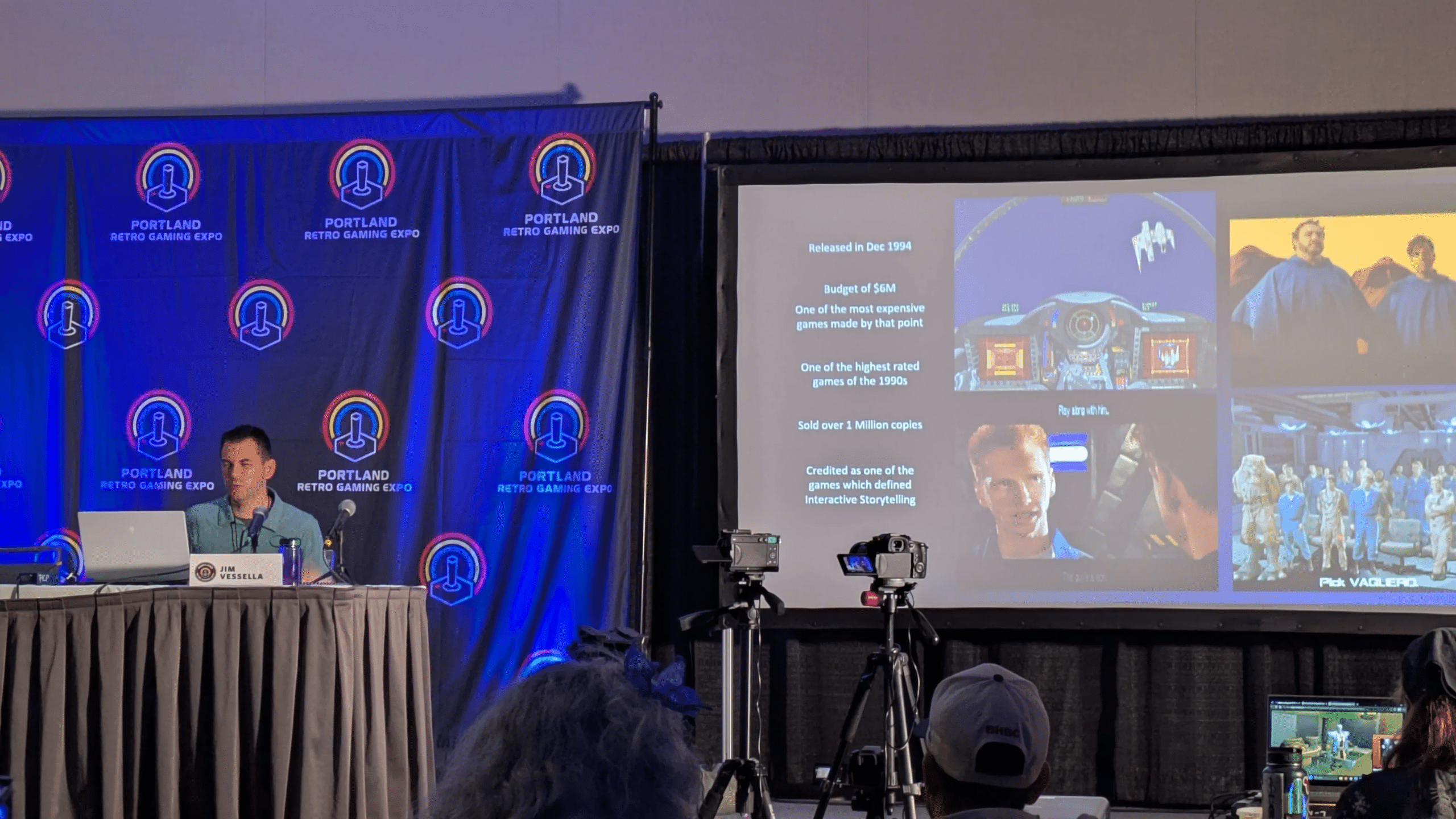
EA producer confirms the return of Wing Commander
MANILA, Philippines – A panel at the Portland Retro Gaming Expo on game preservation revealed that the master tapes containing high quality source video for Wing Commander III were located. The contents of these tapes will now undergo restoration and preparation is at work for a new release of the game, tentatively called Wing Commander

Ride-hailing app taps AI to improve customer, driver experience
MANILA, Philippines – Ride-hailing app, inDrive, wants to use artificial intelligence (AI) to improve mobility in the Philippines while keeping passengers and drivers in control of their choices. The company is exploring how AI can address practical challenges such as traffic, passenger safety and driver earning, in line with its push to make travel decisions

Apple says iPhone Duo demand is “extraordinary” as shipping dates slip to late January 2027
Pre-orders for Apple’s first foldable iPhone have pushed estimated delivery dates into late January 2027, but it’s unclear whether this reflects strong demand or limited launch inventory.

Bipartisan senators ask Pentagon to answer for Ukraine Starlink restrictions
{beacon} Technology Technology The Big Story GOP senators press Pentagon over Starlink restrictions in Ukraine Four Republican senators joined their Democratic colleagues in pressing the Trump administration for information about whether Pentagon officials ordered restrictions on Ukraine’s access to the satellite-based Starshield network. © Tom Brenner, Associated Press Ukraine needs access to fast Starshield data...

Where to preorder the iPhone Duo?
Last night, the Philippines celebrated the launch of the iPhone 18 Pro and Pro Max. The elephant in the room however was information on the availability of the upcoming iPhone Duo. Industry insiders say that Apple’s first foldable will come in very limited stocks. But that doesn’t mean that consumers won’t get the chance to





YOUR NEWS, OUR NETWORK.
Do you have Great News you want to tell the world?
Be it updates about your business or your community, you can make sure that it’s heard by submitting your story to our network reaching hundreds of news sites across 6 verticals.